
Osaka, Japan’s third largest city, is only 30 miles from the ancient capital of Kyoto. So, it makes sense, to me at least, to base yourself in one city and visit the other. We opted to make Kyoto our base and do a day trip to Osaka. Here is my pick of the Top 10 Things to do in Osaka.
How to get to Osaka
Osaka can be reached from Kyoto by Bullet Train in as little as 13 minutes. Trains run every 10 minutes or so and cost around Y3080. However, the Bullet Train takes you to Shin-Osaka Station, which is on the outskirts. To reach the centre of the city, you then need to change to another train to reach Osaka Station.
Alternatively, you can take the slower (Special Rapid) train, which goes direct to the more central Osaka Station. The Thunderbird takes 26 minutes to reach Osaka Station and costs Y1870. And it has a great name!
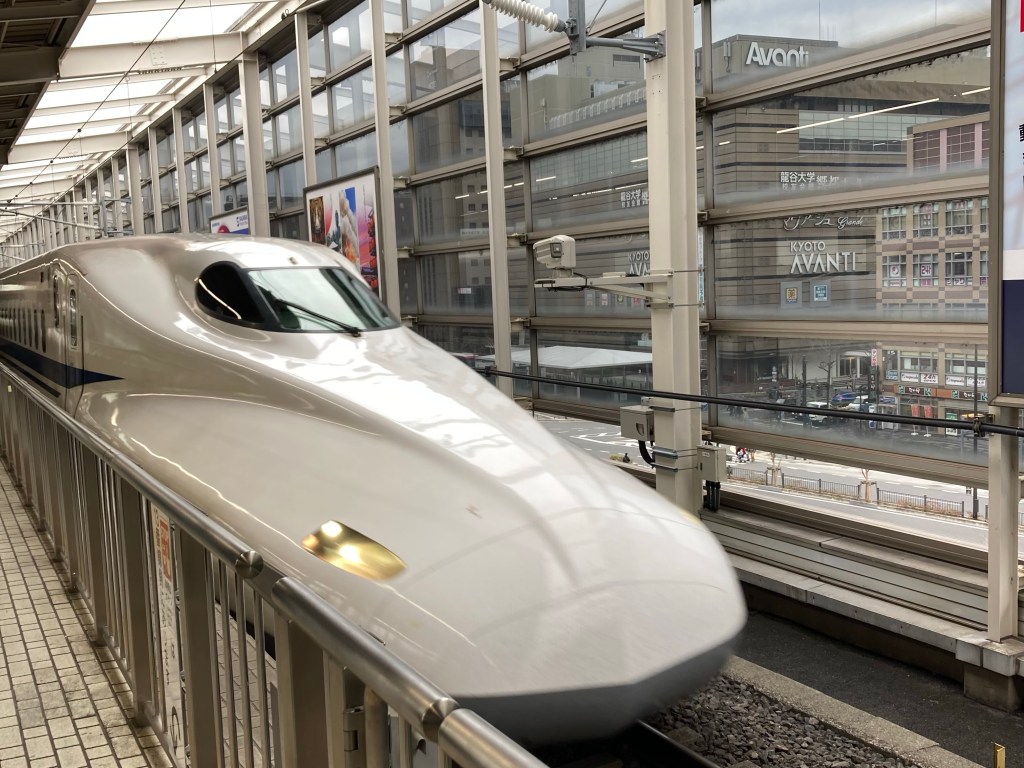
Note: If you have a JR Pass, the Special Rapid and some Bullet Trains are included. However, many of the Bullet Trains (especially during peak times) are Nozomi, which aren’t included in the Pass. Check for the less frequent, but equally fast Hikari.
Getting Around Osaka
Osaka has a comprehensive transport system, including eight Subway lines. If you have a JR Pass, you can travel round the edge of the city on the JR Loop Line, but must pay for the Subway.
Osaka: Top 10 Things To Do
| 1 | Visit Osaka Castle |
| 2 | Stroll through Osaka Castle Park |
| 3 | Admire the view from Abeno Harukas |
| 4 | Wander through Ten-Shiba |
| 5 | Visit Tennoji Park |
| 6 | Enjoy the kitsch Shinsekai |
| 7 | See Tsutenkaku Tower |
| 8 | Eat Kushi-katsu in Shinsekei |
| 9 | Go neon sign spotting in Dotonbori |
| 10 | Explore Osaka Station City |
No 1 – Visit Osaka Castle
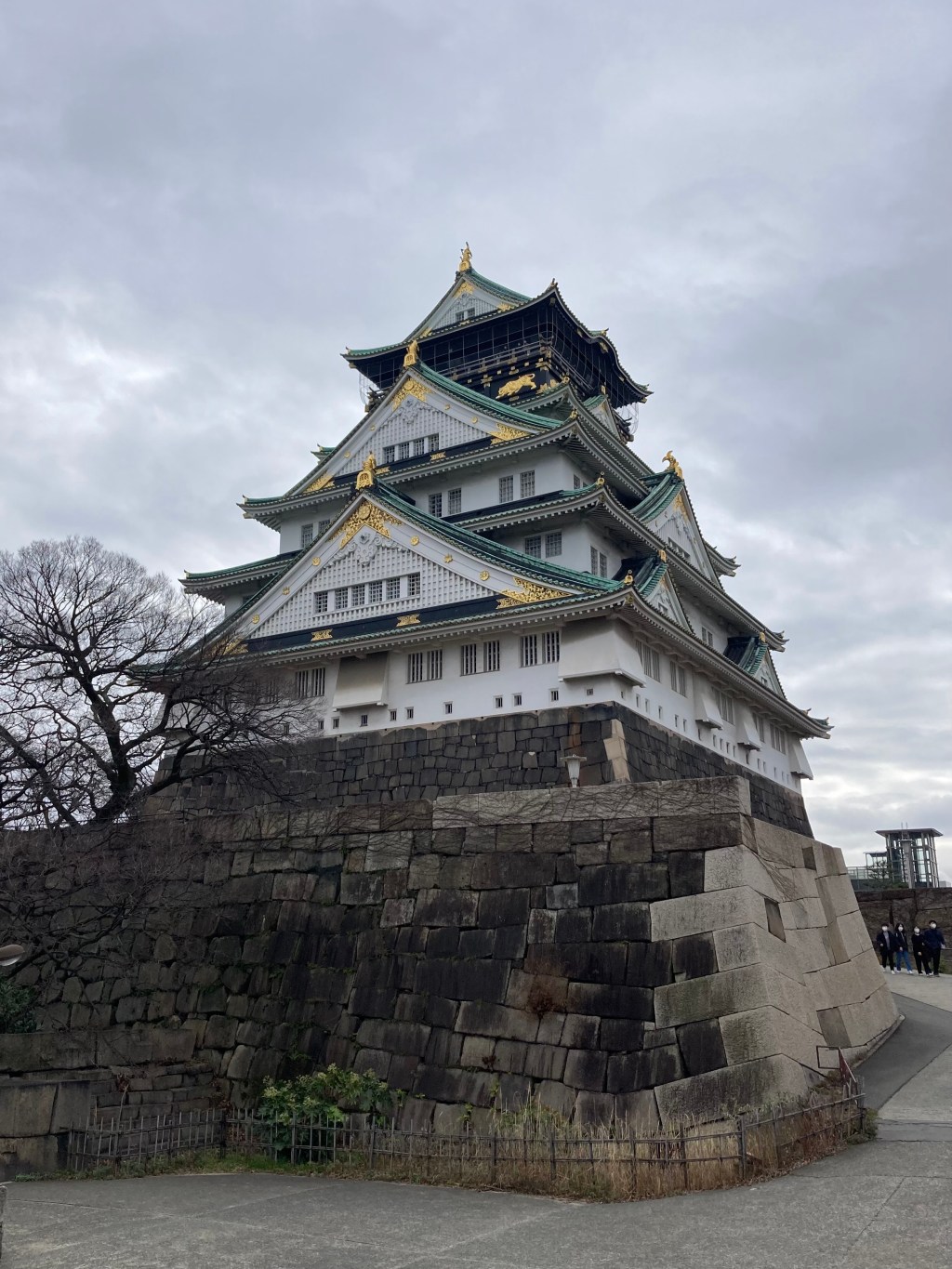
From Osaka Station, take the Loop Line to Osakajokoen (Osaka Castle Park) Station. Osaka Castle is surprisingly far (almost a mile) from its namesake station – you must walk through a shopping mall and then the park before actually reaching the castle.

The Japanese have a unique way of dating buildings. Once a building has been erected on a site, then the counting starts. So a castle can be built, knocked, down, burned or otherwise destroyed and another building erected in its place. The counting doesn’t stop. Hence, this historic 16th Century castle was actually built in 1931 and made of concrete.
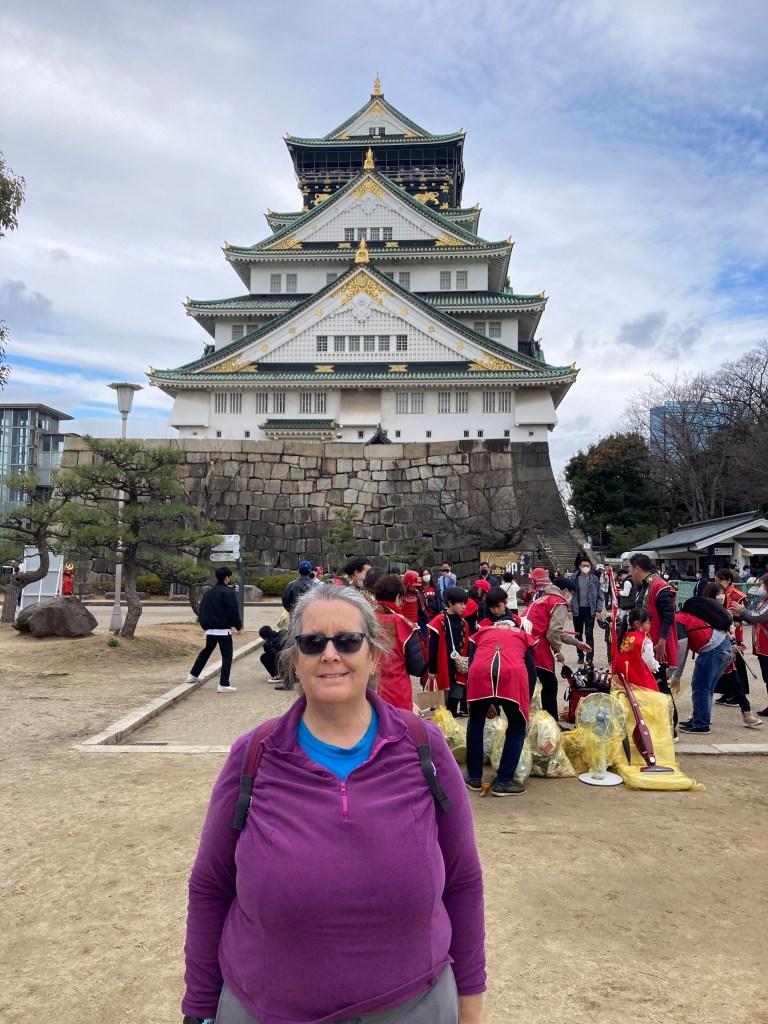
Nevertheless, the white and gold eight storey building is pretty impressive. It is surrounded by two moats and a large park. The top floor provides excellent views over the city.

There was a long queue to get into the castle. In fact, there were three queues, as you must first enter the temperature check station, then buy a ticket, then prove you bought a ticket. Once inside, there is an option to catch an elevator to the 5th floor. From here you can climb to the 8th floor to enjoy the view.
We descended to ground level via the stairs. Each floor has displays relating to the history of the castle, displays of samurai armour etc. My favourite was the collection of hologram dioramas telling the stories of famous battles.
The castle is open daily from 9am until at least 5 pm (later during peak times). Visiting the grounds is free, with a Y600 fee to enter the castle.
No 2 – Stroll through Osaka Castle Park
From the castle, take another walk through the park to the station to continue to Japan’s second tallest building. Instead of retracing your steps, we walked on through the park to Morinomiya Station, which is also on the Loop Line.
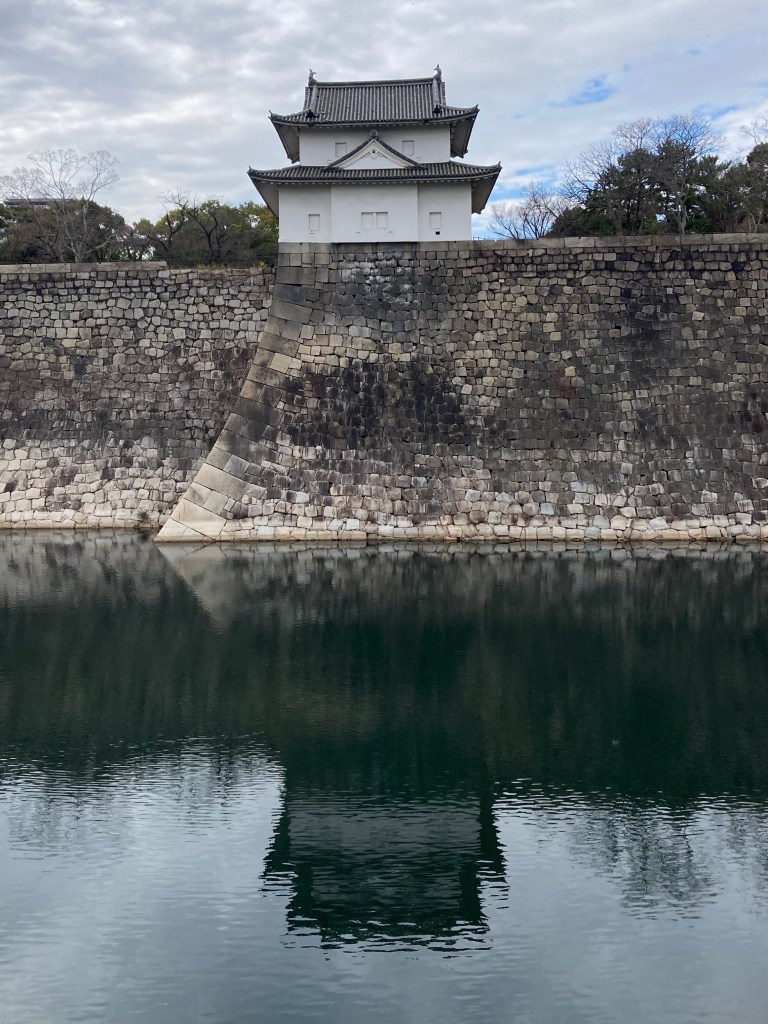
No 3 – Admire the view from Abeno Harukas
Take the Loop Line once more to Tennoji Station to visit the adjoining Abeno Harukas. At 300 metres tall, Abeno Harukas is Japan’s second tallest building. (Azabudai Hills, a recently completed building in Tokyo, has just stolen the title of tallest building).

This enormous 60 storey building contains a department store, a hotel and an art gallery.

You can visit an Observation Deck on the 16th floor for free or pay Y2000 to go to the top. Harukas 300 occupies floors 58 to 60 and provides 360 degree views of Osaka and beyond.
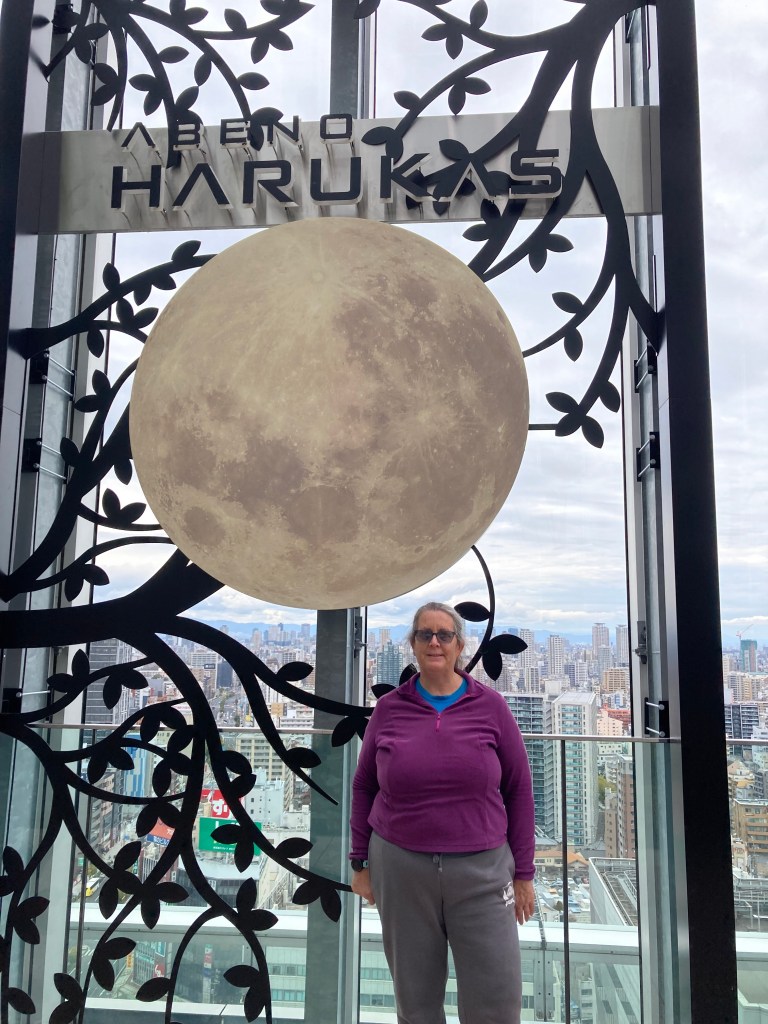
We took the elevator to the 16th floor for the free view from the roof garden.
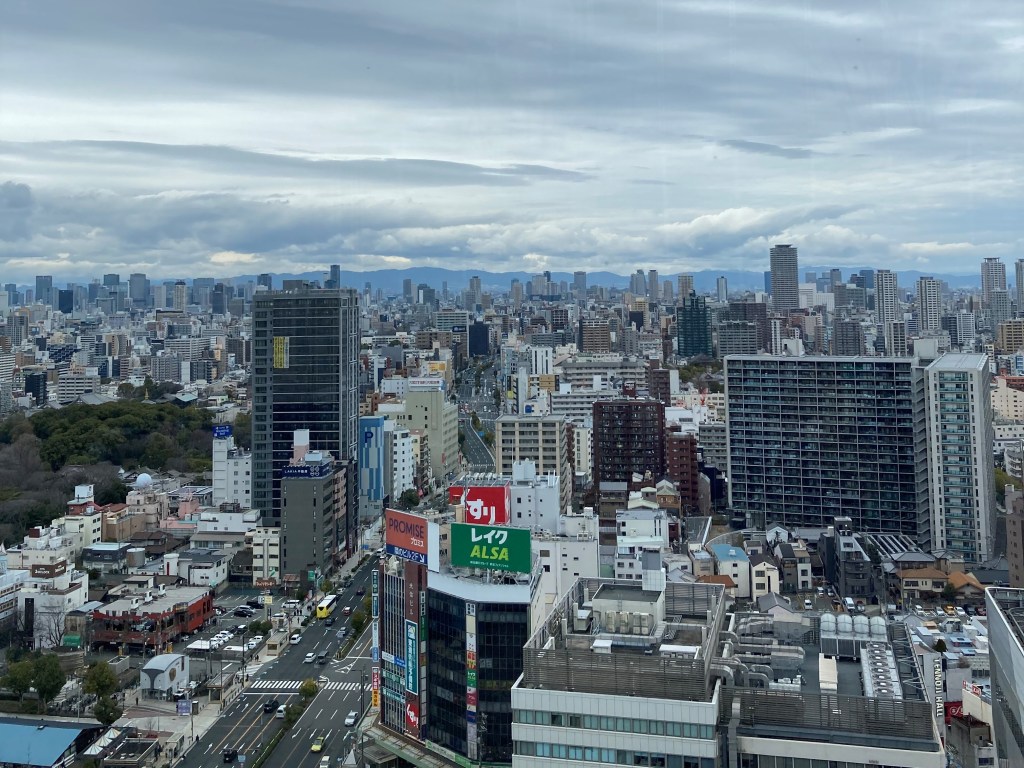
No 4 – Wander through Ten-shiba
The recreation area of Ten-shiba sits in between Abeno Harukas and Shinsekai and is a pleasant way to get from one to the other.

It is possibly best described as a collision between a park and a shopping mall. Football pitches and play areas mingle with shops and restaurants (you can even purchase a stroller for your dog), all presided over by the towering Abeno Harukas.
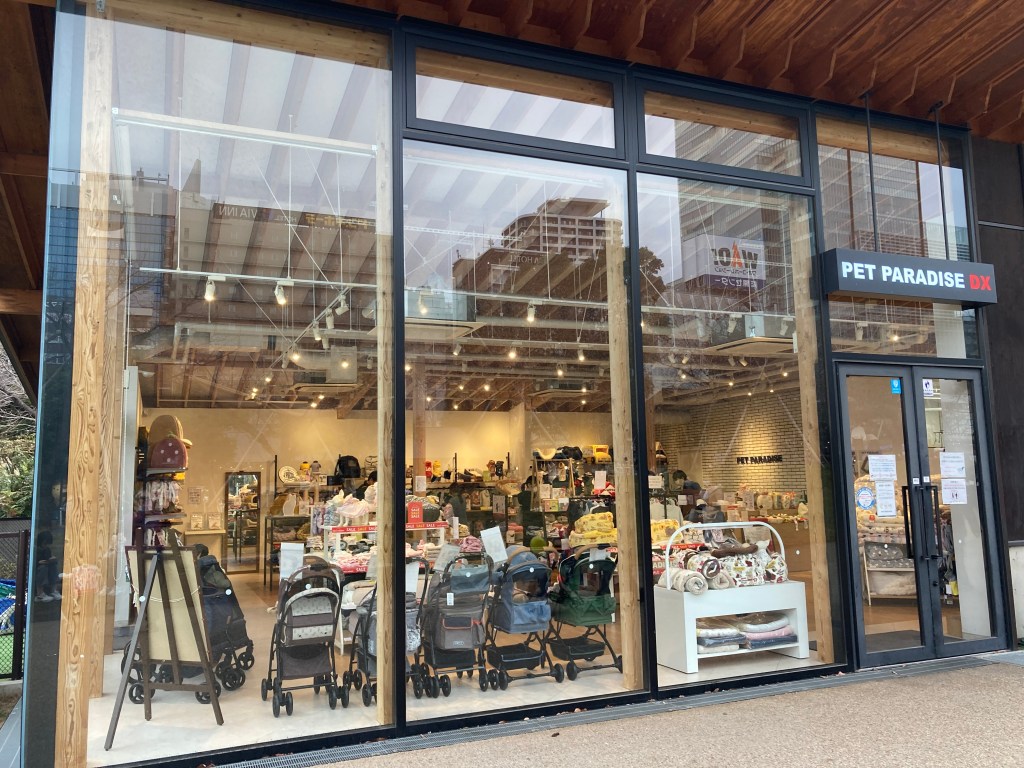
No 5 – Visit Tennoji Park
Tennoji Park adjoins Ten-Shiba. This urban park and garden also houses a zoo (if you’re in to that sort of thing) and the Osaka City Museum of Fine Arts. The museum is currently closed for renovation until spring 2025. Outside, however, although it was mid January when we visited, we were excited to catch our first glimpse of the famous Japanese cherry blossom.

No 6 – Enjoy the kitsch Shinsekai
Shinsekai can be reached by taking the Yamatoji Line to Shin-Imamiya Station or Midosuji Line to Dobutsuen-Mae Station. However, we walked there from Abeno Harukas.
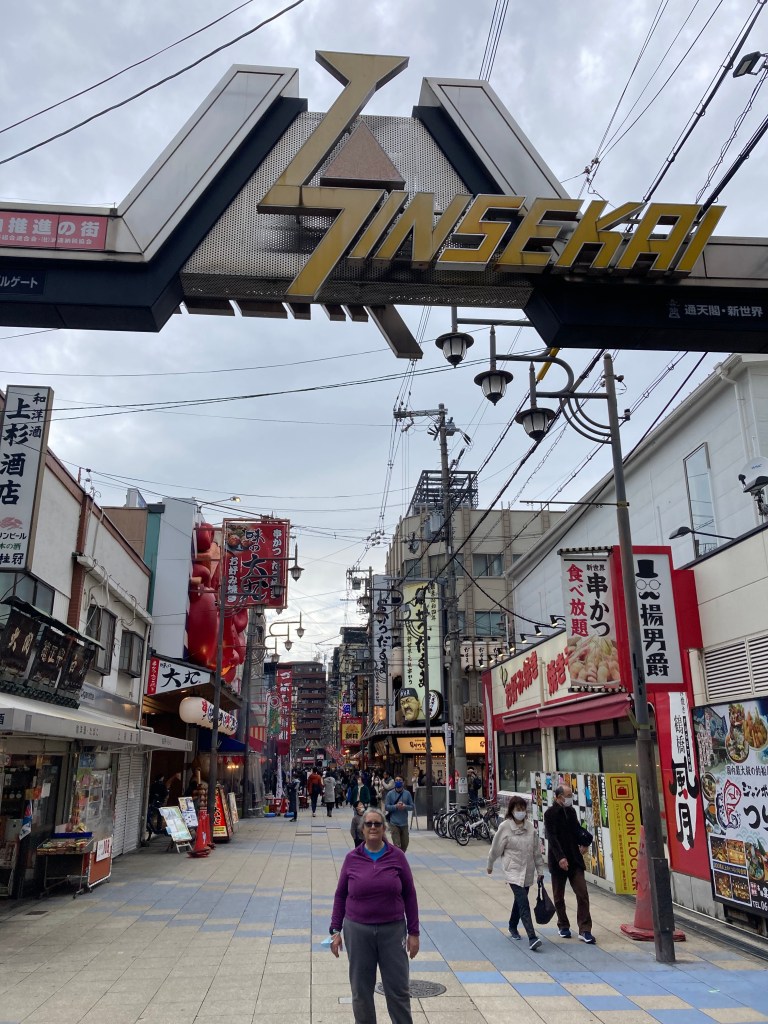
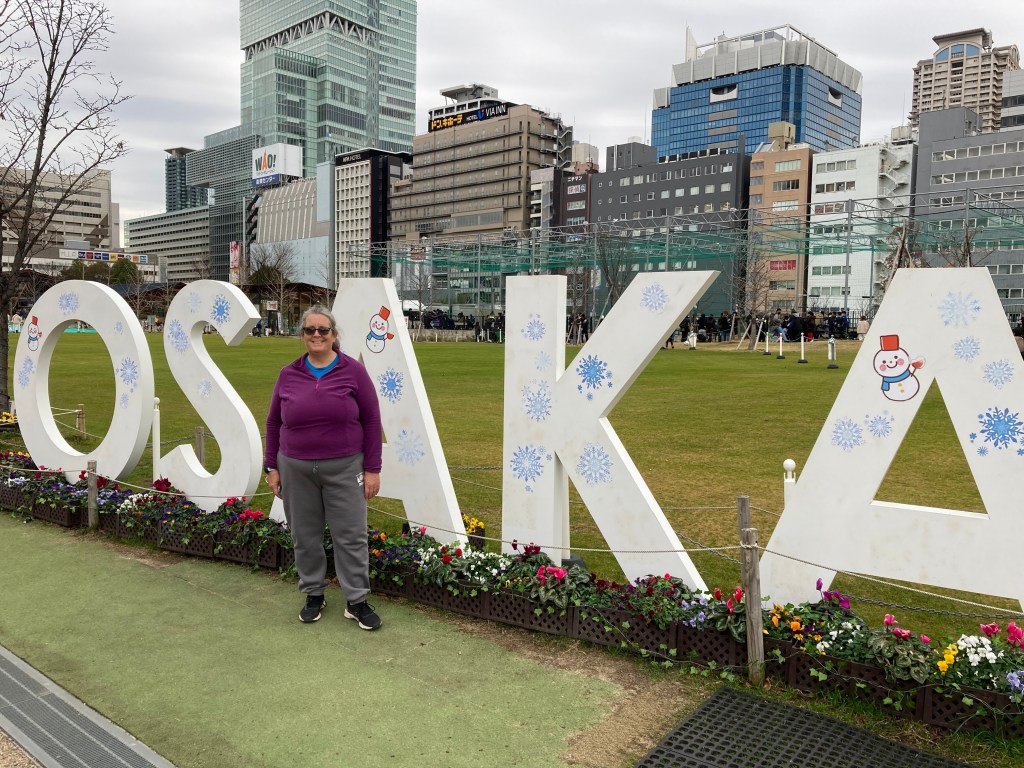
Shinsekai was the site of a 1903 expo. Once a state-of-the-art theme park, it has seen better days. Several of the guides I read when planning this trip advised against coming here. However, pictures of Shinsekai are synonymous with my mental image of Osaka, so we came here anyway.

The area is a little dilapidated and somewhat garish, but we enjoyed wandering the streets marvelling at how each restaurant attempts to outdo its competitors with shop fronts and signage each more lurid than the next.
No 7 – See Tsutenkaku Tower
Right in the middle of Shinsekai is the 108 metre high Tsutenkatu Tower. This isn’t the original tower. The 1912 tower, at 64 metres high, was the tallest structure in Asia at that time. Made of steel, it was dismantled in 1943 to make ammunition to help the war effort. The current tower was constructed in 1956. You can visit an observation deck on the 5th floor. The interim floors contain a range of rather tacky attractions. Entry to the tower costs Y1000.

The tower also has a 60 metre long slide, which the website boasts is seismically isolated and can be “used safely even in the event of an earthquake“. I suppose it beats running like hell! The slide is open for ages 7 to 65 and costs Y1000 for adults.
No 8 – Eat Kushi-katsu in Shinsekai
Shinsekai is renowned for its kushi-katsu (think chicken nuggets on a stick -although you can choose other fillings such as pork fat, gizzards or even vegetables). There’s also a lot of octopus. I’m allergic to octopus, which made choosing somewhere to eat a little tricky.
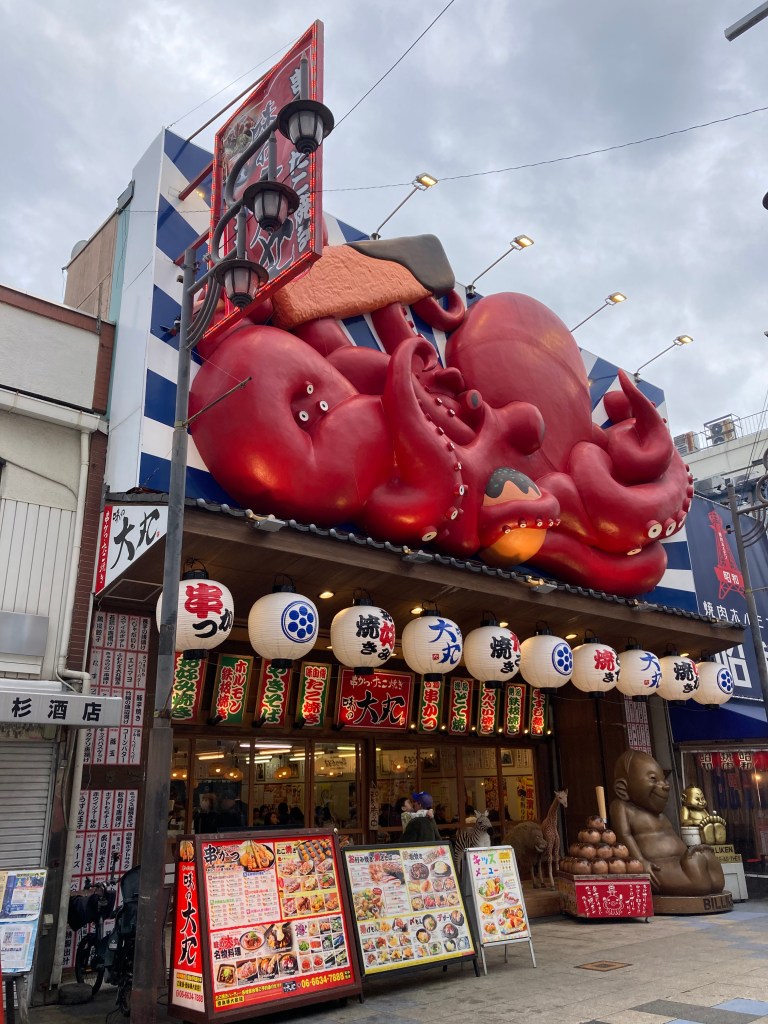
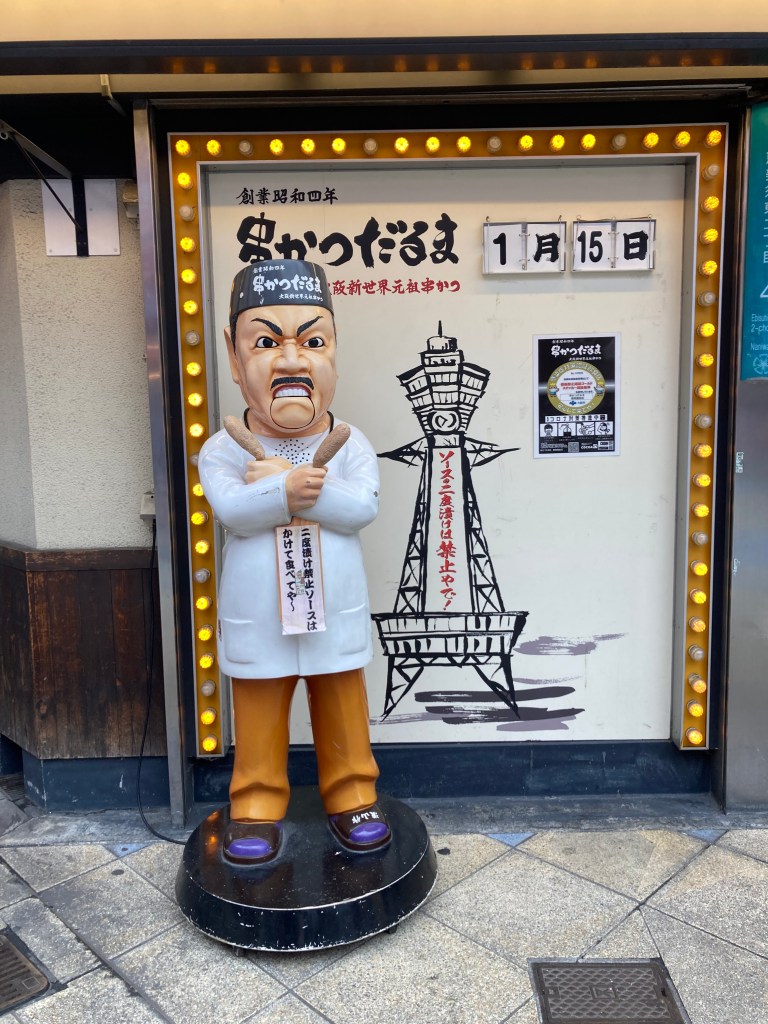
There are dozens of restaurants to choose from. Most have picture menus outside to help with choosing dishes. Note that some have compulsory purchases. The first restaurant we chose presented us with two tiny bowls of pickled bean sprouts and a sign saying they were a compulsory purchase and cost ¥600. We ended up in a branch of the chain Daruma, famous for its angry chef.
No 9 – Go neon spotting in Dotonbori
Dotonbori is a canalside area lined with shops, restaurants and awash with neon billboards which reflect in the the canal at night.

No 10 – Explore Osaka Station City
Osaka Station is enormous. Before departing Osaka, take some time to explore this massive shopping and leisure complex which also happens to have some trains.

I hope you found the above information useful. For more top picks from other destinations in the 50+ countries we have visited, check out my full Top 10 Things To Do list here.
- Trip Taken: January 2023
- Updated: July 2024
 Jane's Midlife Journey
Leave a comment