

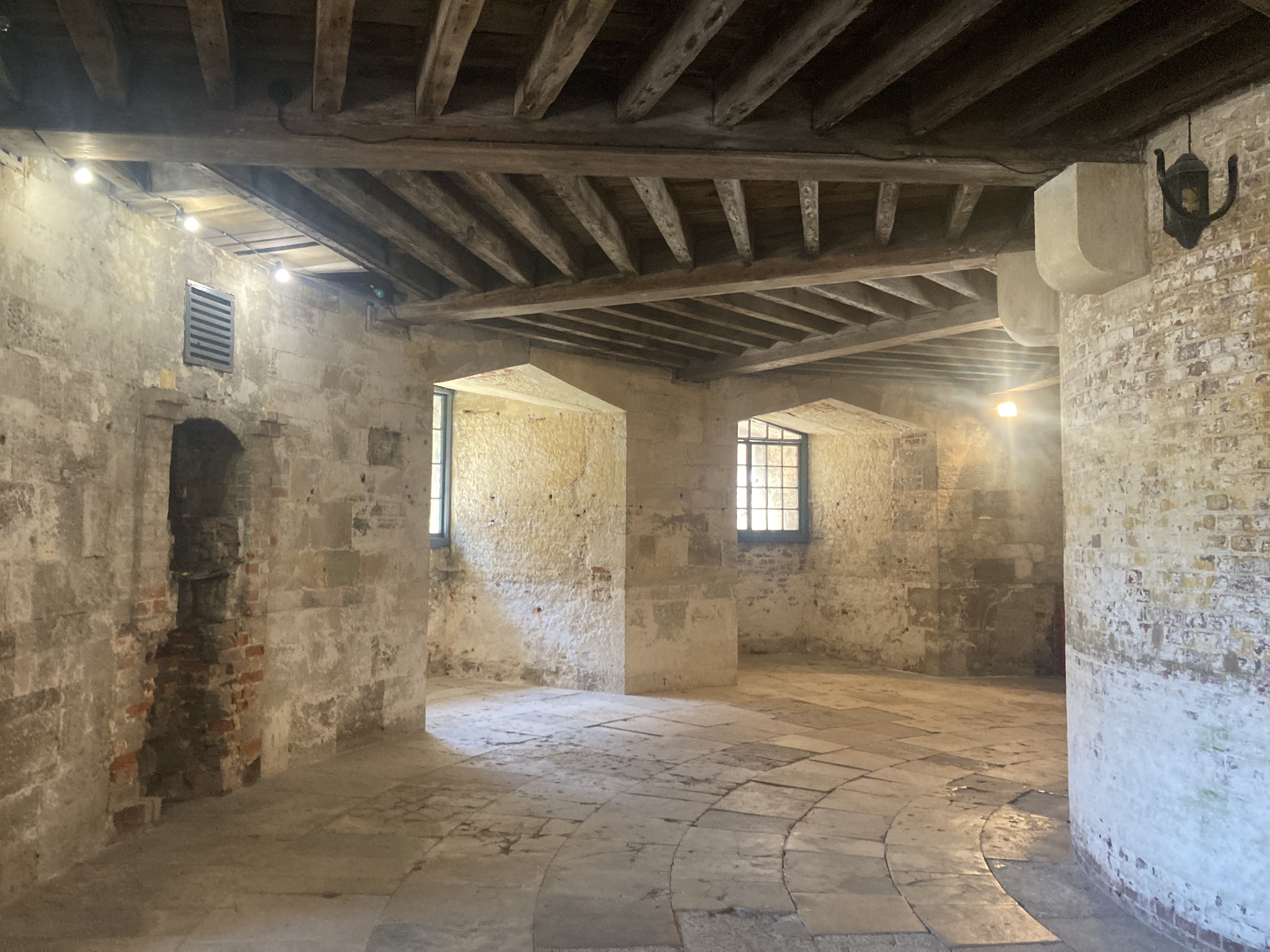
Hurst Castle is a fortress situated on the end of a shingle spit off the English coast, less than a mile from the Isle of Wight. The 16th Century castle has a long and interesting history plus spectacular views.
As part of the castle collapsed during storms in 2021, only the Tudor Castle is currently open to the public – The East and West Wings remain closed.
How to get to Hurst Castle
The castle is situated 16 miles east of Bournemouth and can be reached either from Milford on Sea via a shingle spit or from Keyhaven by ferry.
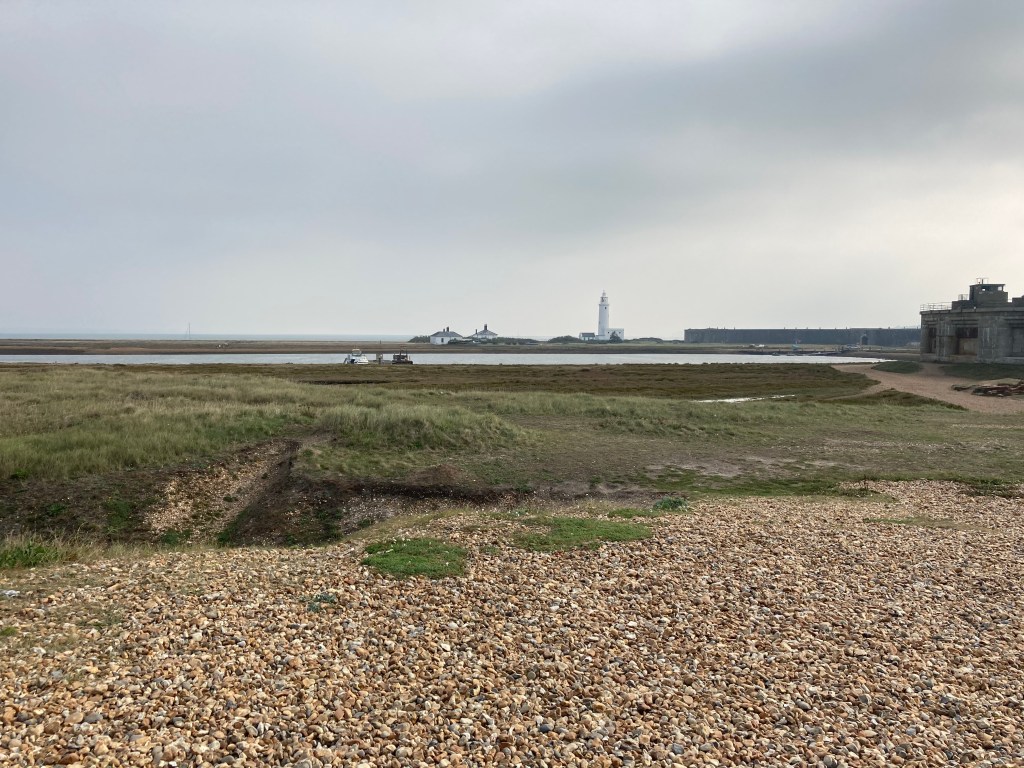
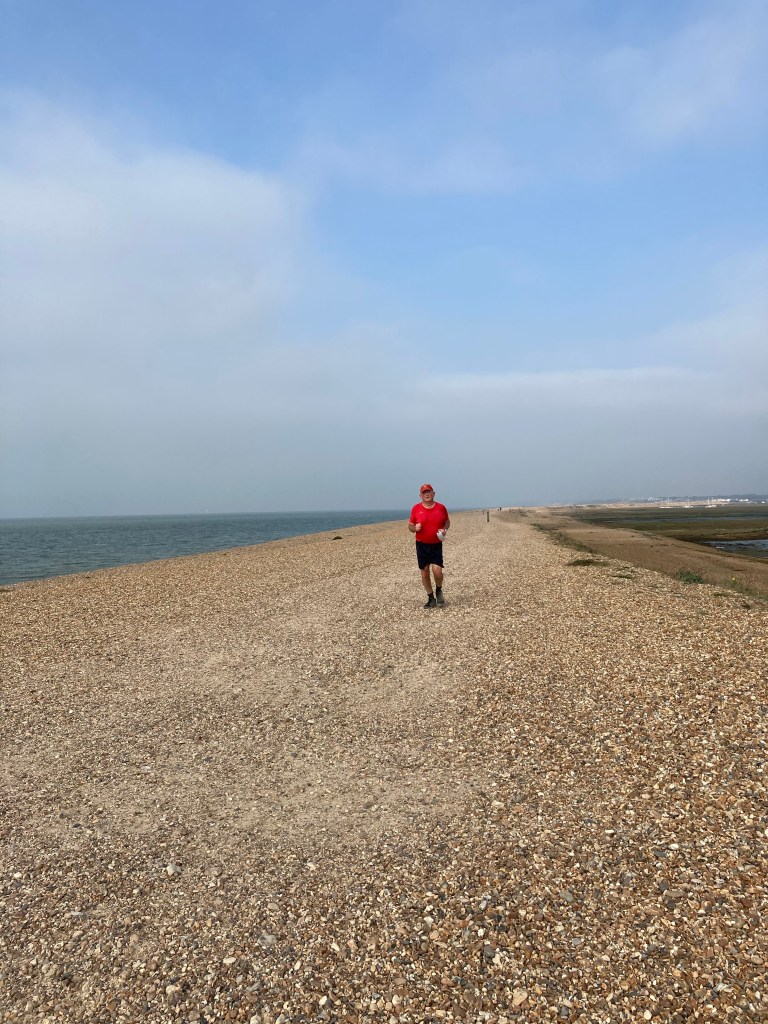
Shingle Spit
The raised shingle spit is around two miles long. The walk (we tried running) is quite tough on the legs, but the views are pretty special. I recommend sturdy shoes and plenty of water as there is no shade along the route.
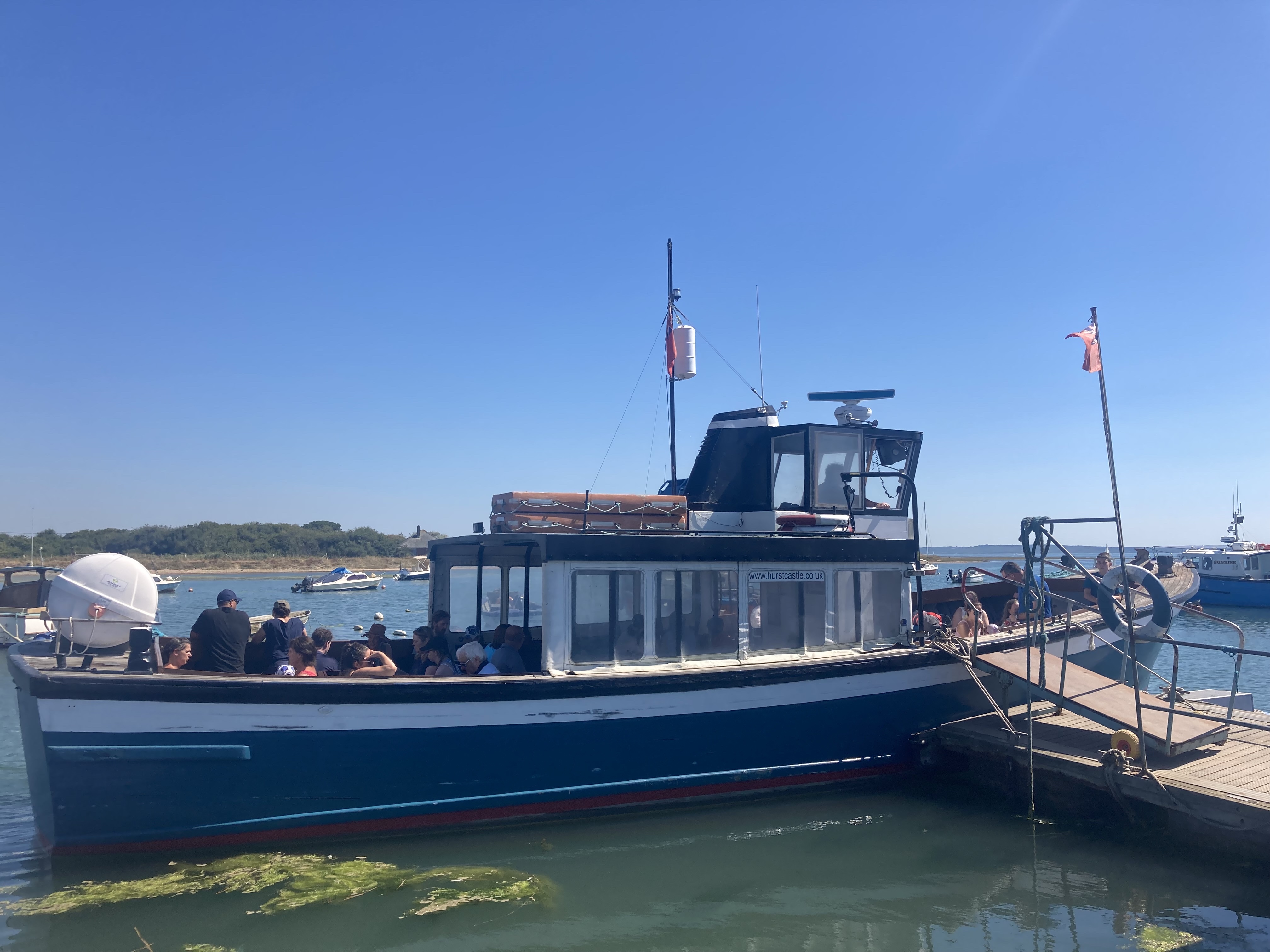
Ferry
A more sedate but equally scenic way to access the castle is to take a short ferry ride from Keyhaven. The ferry runs from 10 am until 5.30 pm between April and October. Departures are, theoretically, every 30 minutes. However, during busy times, ferries are far more frequent with boats departing as soon as they are full. An adult return ticket costs £7 (a single is £5). Children aged 3 and above cost £5 (£3).
By public transport, the X1 bus runs to Milford on Sea stopping at The Beach House, close to the start of the spit. In the summer, the Blue New Forest Tour Bus also stops here.
Parking
There is a car park near the beginning of the spit; Hurst Road East Car Park. For the ferry, there is parking near the ferry at Keyhaven Amenity Car Park. Charges are seasonal, but approximately £3 for two hours.
Note: if you decide to walk one way and take the ferry the other, the end of the spit and the ferry dock are about a mile apart.

Opening Times
The Castle is open daily between April and October, from 10 am until 5.30 pm.
Price
Entry costs £6 for adults (£4 for children) or is free to English Heritage Members.
History
The origins of the castle date back to1541, which it was commissioned by Henry VII as part of his coastal defences. Since that time it has also served as a prison, with the added function of a lighthouse.
Tudor Castle
The original part of the castle is a Tudor fort, part of Henry VIII’s coastal defences.

You can climb to the top of the Castle Keep for an amazing 360 degree view of the English coast, the English Channel and across the Solent to the Isle of Wight.

King Charles I
During the English Civil War, King Charles I was imprisoned at Hurst Castle briefly in 1648, before being returned to London and executed the following year.

World War II
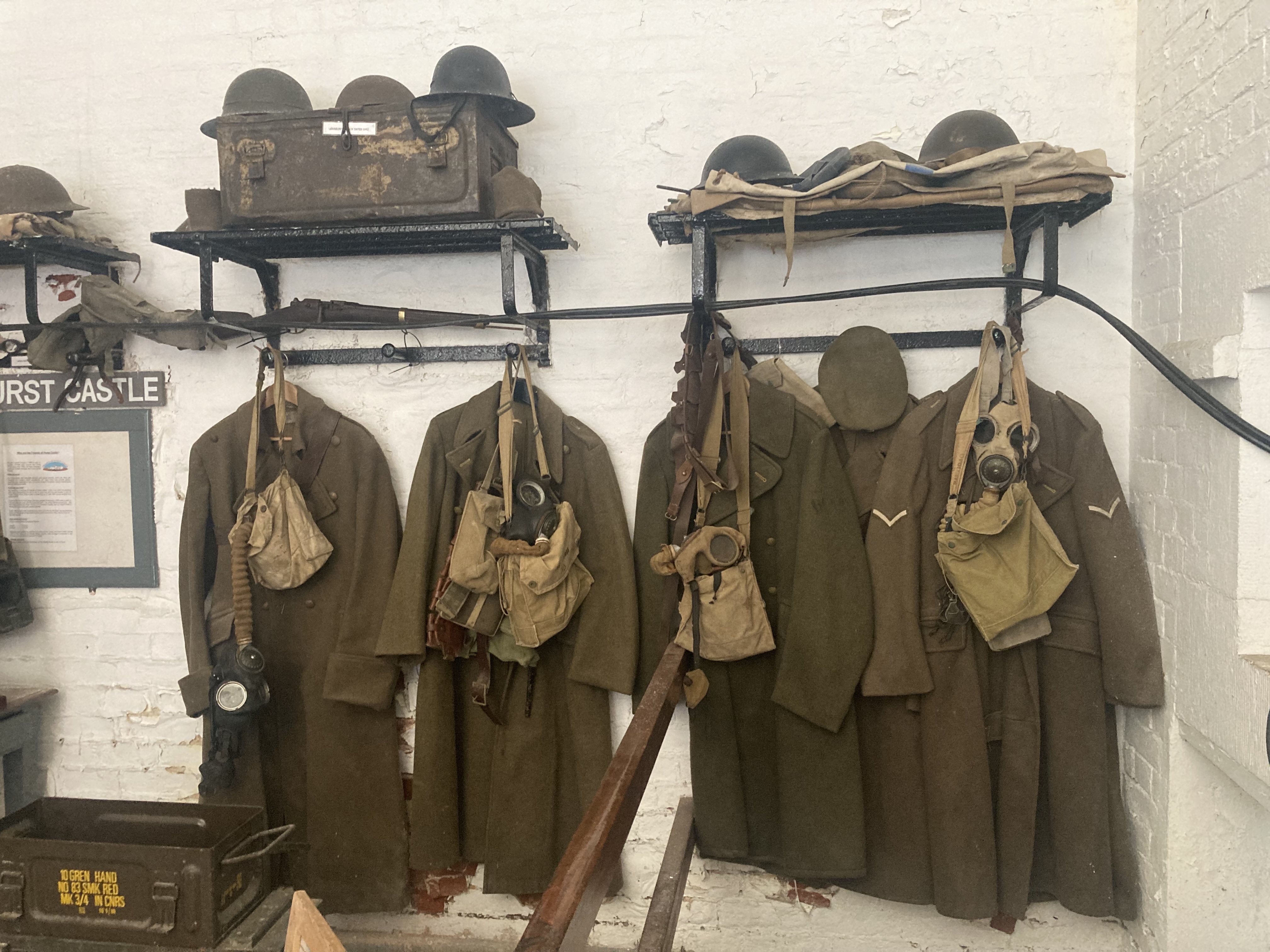
The Castle played an important role in the country’s defences during World War II, guarding the south coast from the risk of German invasion. There are weapons and other military paraphernalia from this era on display.
Lighthouses
Hurst Point’s key position at the entry to the Channel, combined with the shifting nature of the shingle, has resulted in the building of several lighthouses.

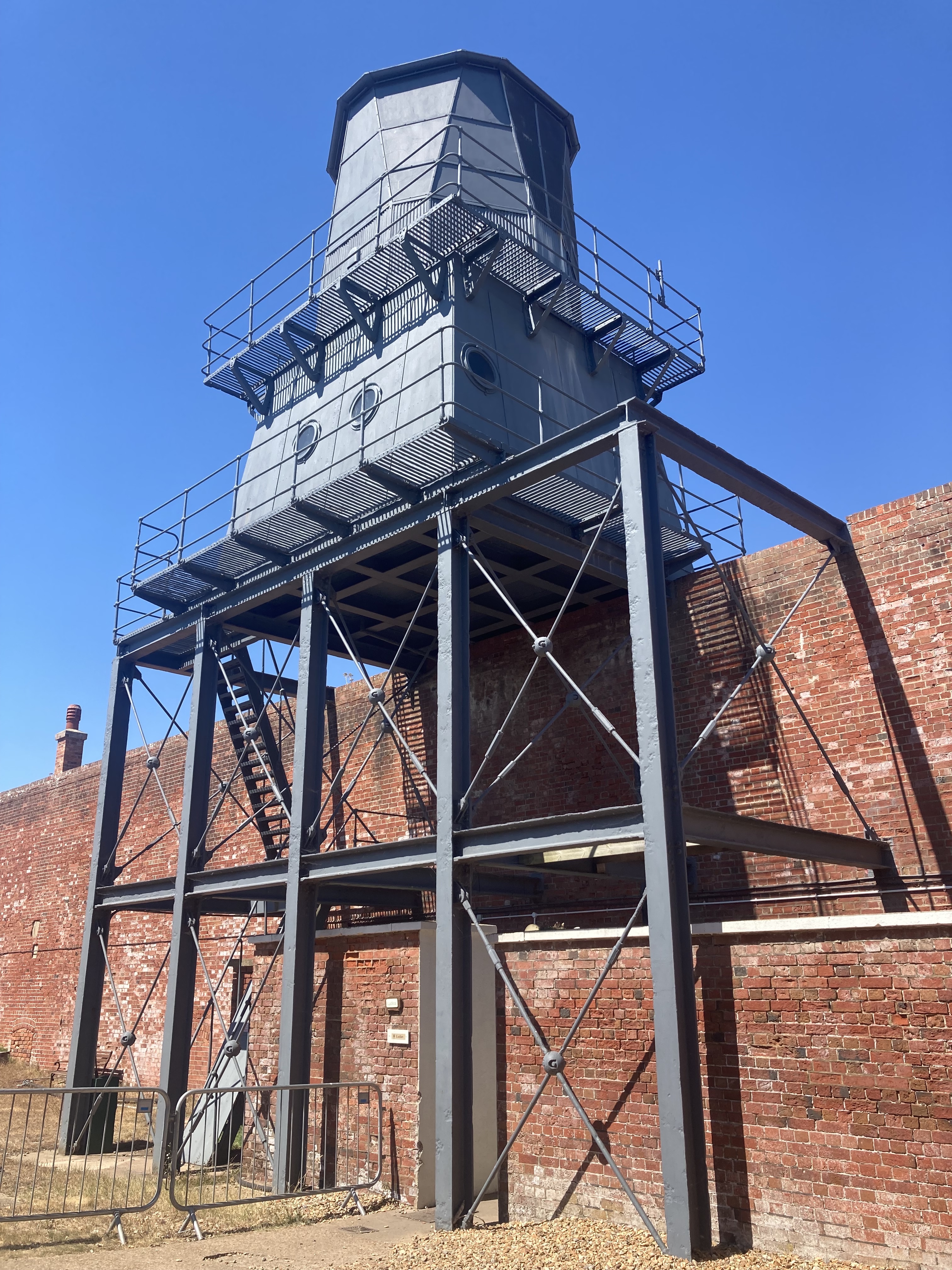
Three remain intact; two within the castle itself; the 19th Century High Light and the 20th Century Low Light (built on a steel gantry so it could be moved to a new position if necessary). They formed a line which helped guide ships into the Channel.
Hurst Point Lighthouse
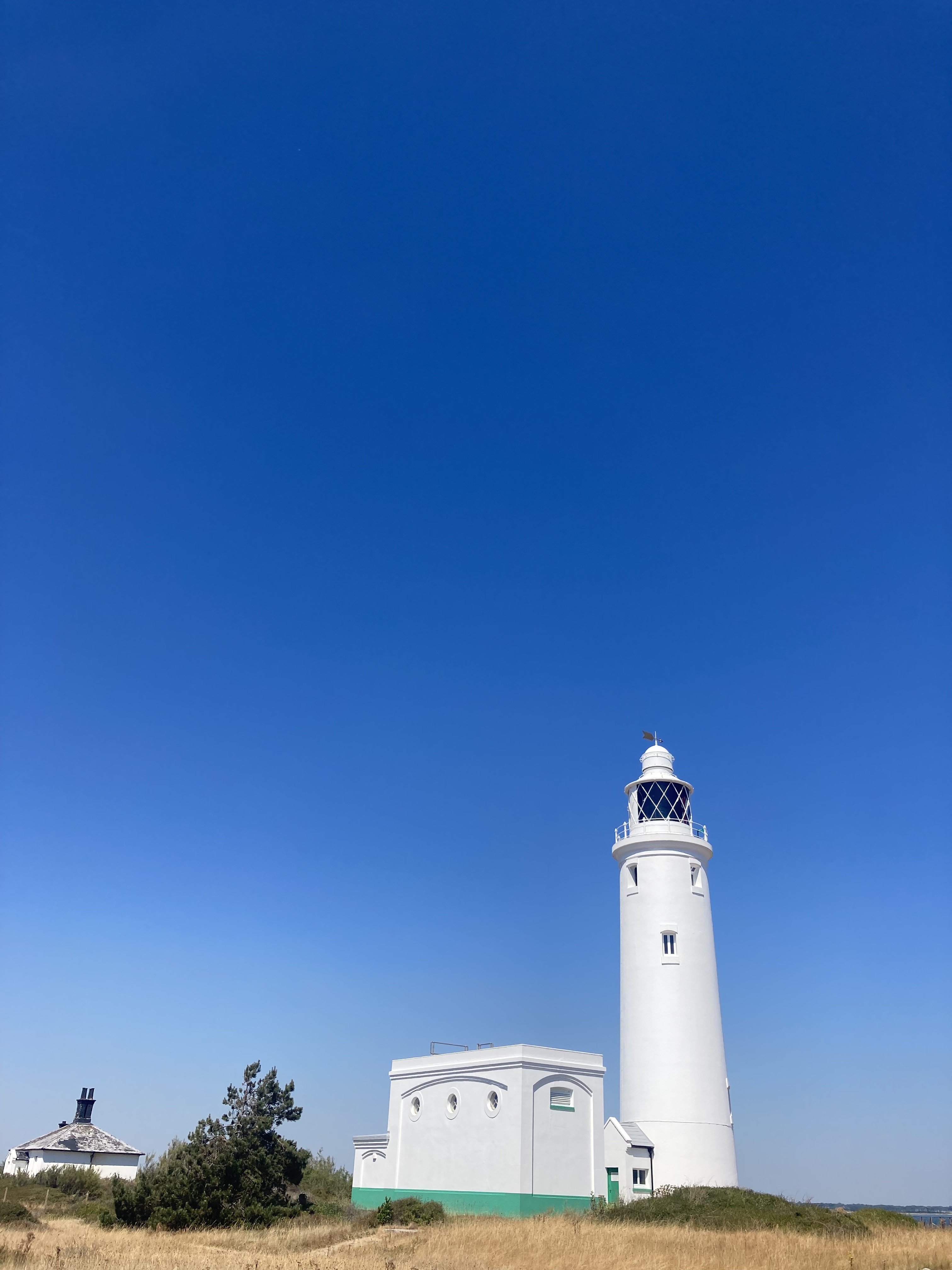
The currently operational Hurst Point Lighthouse was built in 1867 and is situated just outside the castle grounds.
Café
There is a small café (open between April and October) and a gift shop near the ferry dock, just outside the castle entrance. It’s a pleasant place to sit and relax whilst waiting for a ferry/psyching yourself up for the two mile return shingle extravaganza.

Hurst Castle for Children
Although children will enjoy the boat trip and exploring the castle, there is nothing specifically provided for children.
I hope you found this information useful. For more inspiration on things to do in and around Bournemouth, check out my 101 Things to do in Bournemouth here.
- Updated: September 2023

 Jane's Midlife Journey
Leave a comment