
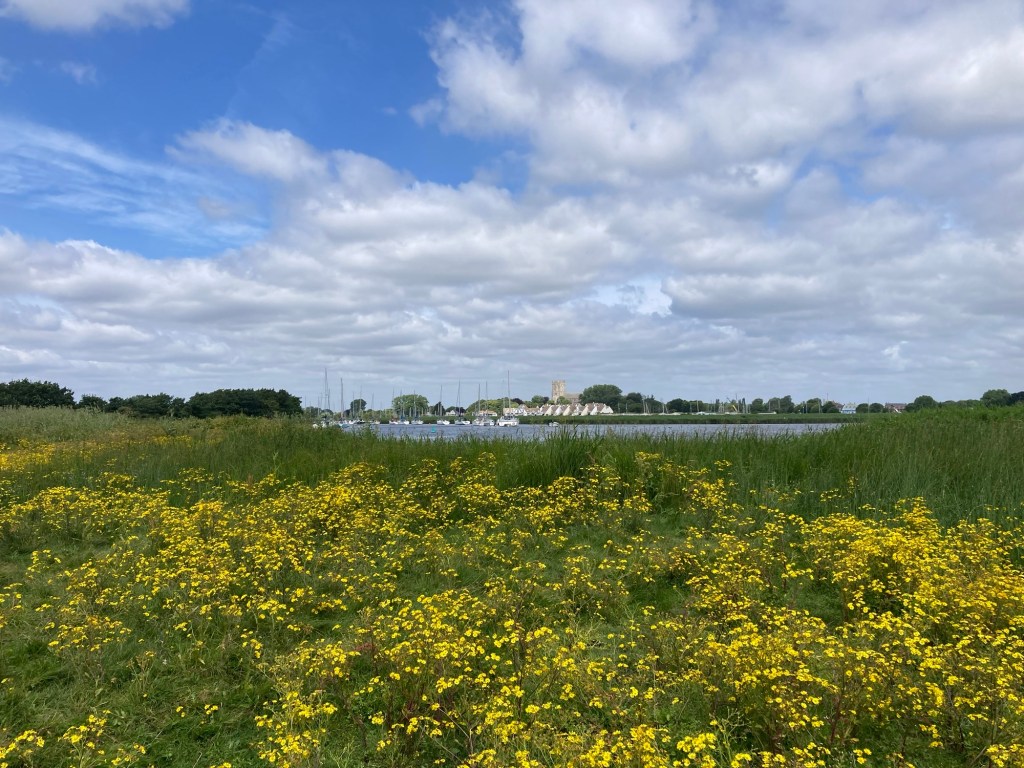
Stanpit Marsh Nature Reserve is an an area of wetland on the outskirts of Christchurch. It juts out into the north side of Christchurch Harbour, just below the confluence of the rivers Avon and Stour. The 65 hectare site has a combination of habitats including salt marsh, reed beds, mud flats, freshwater marsh, gravel estuarine banks and sandy scrub.
How to get to Stanpit Marsh
Stanpit Marsh is 6 miles west of Bournemouth. By road, it can be reached along the A338/A35.
By Bus
Buses No 1a1/b/1c and X1/X2 stop at Purewell Cross, which is around a 10 minute walk away. During the summer, the No 70 Breezer bus stops at Recreation Ground, right next to the marsh.

Alternatively, it is a pleasant 25 minute walk from Christchurch, over the rivers and through Riversmeet Greenspace. It can, however get rather boggy during wet weather/high tide.
Parking
Stanpit Marsh has its own car park (Stanpit Recreation Ground). Parking is free.
Opening Times
The marsh is always open to the public.
Price
There is no entry fee.
History of Stanpit Marsh
There are records of human activity on the marsh dating back 7000 years. The area is recorded in the Doomsday Book in 1086 as Stanpeta (meaning two estates with meadows).
In the 18th Century, the area was notorious for smuggling. Contraband was landed at Mudeford Quay and brought up the narrow channels that criss-cross the marsh. Things came to ahead in 1784 during the Battle of Mudeford – a renowned skirmish between smugglers and customs officers, which resulted in the death of the officer in commander and the execution of one of the smugglers.
In 1917, Harry Gordon Selfridge (owner of the Selfridge’s department store) purchased the land when he lived at nearby Highcliffe Castle. The land has been owned and managed by the local council since 1930 and in 1986 it became a Site of Special Scientific Interest.
Wildlife
This diversity of plant life supports a strong wildlife community, including a great number of butterflies, dragonflies and other insects. There are also 320 recorded bird species, some of which breed on Stanpit, whilst others are migratory.

New Forest Ponies
There are New Forest Ponies grazing on the marsh. The ponies are integral to managing the ecosystem and have been been on the marsh for over 100 years.

Plants
The varying habitats of fresh water marsh, brackish water marsh and saltwater marsh create a diverse habitat which is home to over 300 species of plants.
Visiting Stanpit Marsh
It is possible to walk in a loop from the car park, via the Visitor Centre and Bailey Bridge, along a trail. This loop is approximately 1.6 miles long. Note: Sections of the trail can become waterlogged and be difficult to pass during wet weather or high tide.

Visitor Centre
There is a Visitor Centre on the Marsh with interpretation displays where you can learn more about the marsh and its inhabitants. You can borrow binoculars from the centre to get a better look at the wildlife on the marsh. Note: There is some seating here, but no other facilities.

The Centre is run by the Friends of Stanpit Marsh. The Friends hold regular events at the centre, including a monthly coffee morning. More details can be found here.
Bailey Bridge
A Bailey Bridge is a portable, prefabricated bridge developed for military use during the Second World War and used extensively, then and subsequently, to replace bridges damaged by war or natural disaster. The bridge has the advantages of requiring no special tools to assemble and being light enough to be carried in trucks, yet sturdy enough to be used by a tank.
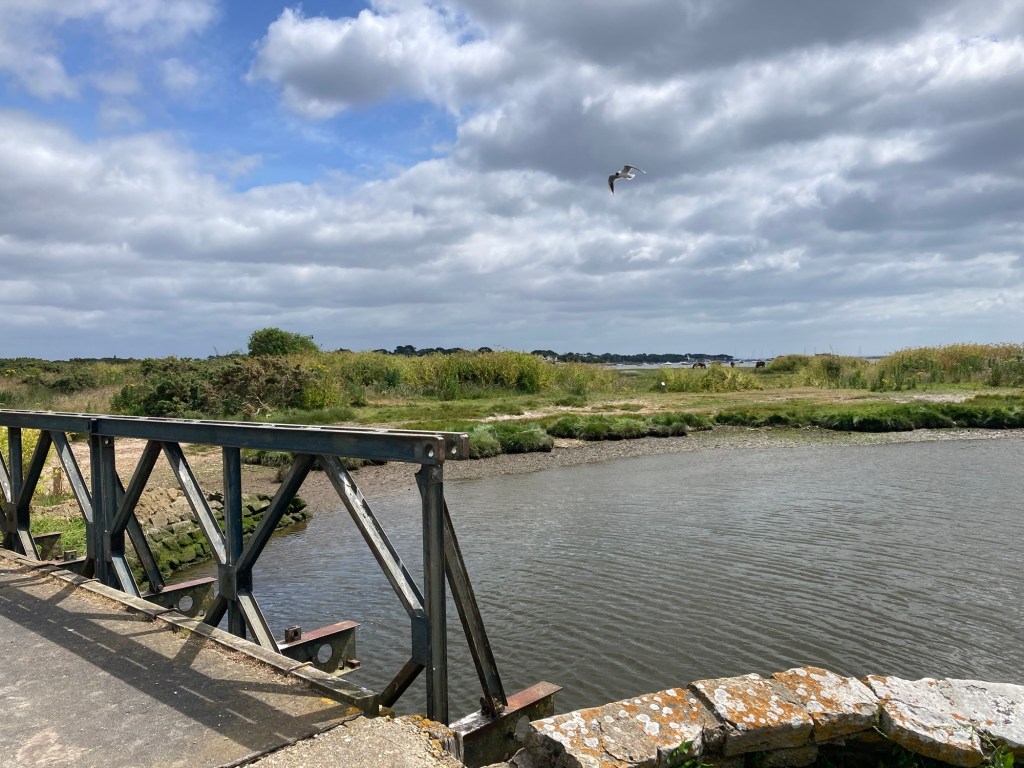
The bridge was designed and constructed in Christchurch in 1941 by Donald Bailey, a civil servant in the War Office. A prototype of the Bailey Bridge sits across Ma Siller’s Channel on Stanpit Marsh. (Ma Siller was a notorious 18th century smuggler and the channel used to lead directly to the rear of her pub, The Ship in Distress.)

Tutton’s Well
Near the car park, you can find the ancient Tutton’s Well. The well’s water was recognised as having unusual purity. In medieval times, it was renowned for its medicinal qualities and hawked around the country as ‘The Christchurch Elixir’. In 1885, the well given to the locals as a public water supply. It was subsequently tapped and built over, but a tribute to the well can be seen adjacent to Stanpit Marsh car park.

Facilities
There are no toilets or other facilities on Stanpit Marsh. The nearest public toilets are at Purewall Cross (500 metres north of the car park) or Mudeford Recreation Ground (500 metres south of the car park).
Food & Drink
Try the Ship in Distress, just north of the car park. Or the Nelson Tavern, 800 metres south of the car park. Their Sunday lunch is particularly tasty (I don’t eat meat, so had mine with a cheese and leek pie).

There is also a Nisa Local near Purewell Roundabout which sells excellent home made samosas.
Stanpit Marsh For Children
Children can enjoy spotting the various birds, horses and animals in the marsh. During the school holidays, the Friends hold events for children.
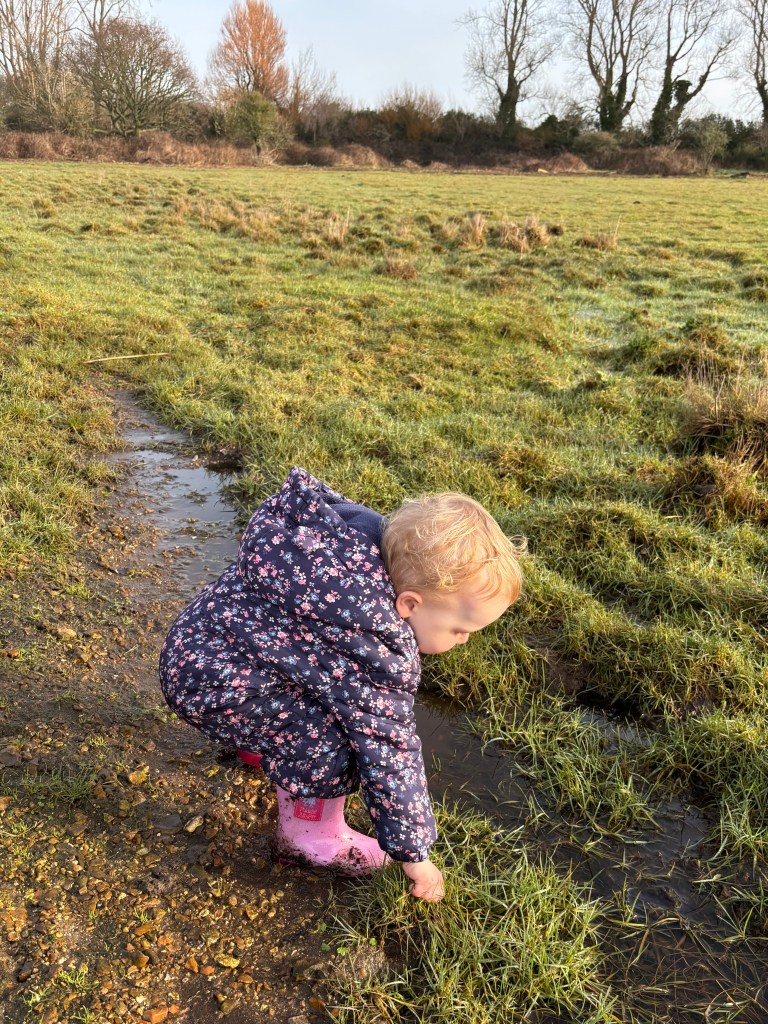
Note: The trails around the marsh can become very wet and muddy. It may not be suitable for a pushchair.

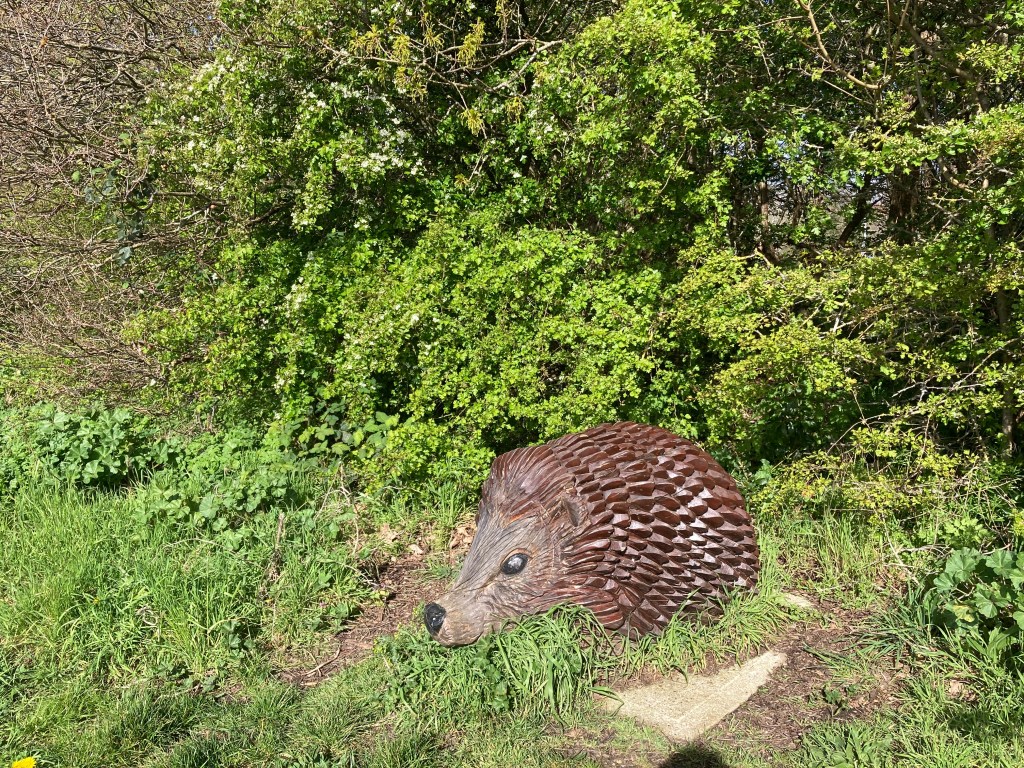
Adjacent to the nature reserve are Stanpit Recreation Ground and Riversmeet Greenspace. Here, you can find a Sculpture Trail of carved wooden animals which appeal to younger children plus a skate park and BMX track for older children. There is also a playground nearby at Mudeford Recreation Ground.
Both the Ship in Distress and the Nelson Tavern offer a children’s menu. The Nelson has a nice beer garden with beach huts to dine in.
Dogs
Dogs are allowed on the nature reserve, however the area is subject to a Dog Control Order which requires dogs to kept under control on a short lead at all times. Dogs can run free on neighbouring Stanpit Recreation Ground.
I hope you found this information useful. For more inspiration on things to do in and around Bournemouth, check out my 101 Things to do in Bournemouth here.
- Updated: February 2025
 Jane's Midlife Journey
Leave a comment