
The seaside town of Weymouth is well known for its large expanse of sandy beach. But what else is there to do on a visit to Weymouth? Here is my itinerary for a day trip to Weymouth.
How to get to Weymouth
Weymouth, situated in central Dorset, is 37 miles west of Bournemouth along the A35/A354.
By train:
Weymouth has good public transport links. Weymouth Station has direct train lines to London Waterloo (via Bournemouth) and Bristol.
By bus:
There are local buses to Weymouth from Dorchester, Portland and the surrounding area. The Jurassic Coaster connects Weymouth to Abbotsbury, Bridport, Lyme Regis, Lulworth Cove and Poole. National Express offers services to Bournemouth and London.
I opted to travel with Highcliffe Coaches, who run day trips to Weymouth offering pick ups across Bournemouth, Christchurch and Poole.
Parking
If you decide to drive, there is a large Pay & Display car park at the Pavilion. Parking costs £7,90 for 4 hours (£ 5.60 between November and March). Further details can be found here.
Getting around Weymouth
Weymouth is small enough to be explored on foot. My itinerary covers a circuit of around 1.5 miles without Nothe Fort. Add an additional mile to visit the fort.
Weymouth in 1 Day Itinerary
| 1 | Esplanade |
| 2 | Jubilee Clock Tower |
| 3 | Beach Operations Building |
| 4 | Sand Sculptures |
| 5 | Weymouth Pier |
| 6 | Weymouth Pavilion |
| 7 | Weymouth Harbour |
| 8 | Custom House |
| 9 | Town Bridge |
| 10 | (Nothe Fort) |
Esplanade
The Esplanade is a pedestrian walkway which runs along the edge of the beach. Originally built in the 18th century, it gained prominence when King George III made Weymouth his holiday destination, helping to establish the town as one of the UK’s first seaside resorts. As you walk along the Esplanade, which also forms part of the South West Coast Path, you have sea views on one side and Georgian architecture on the other. There are several points of interest along the way, including a statue of King George and a replica of his bathing machine.
Jubilee Clock Tower
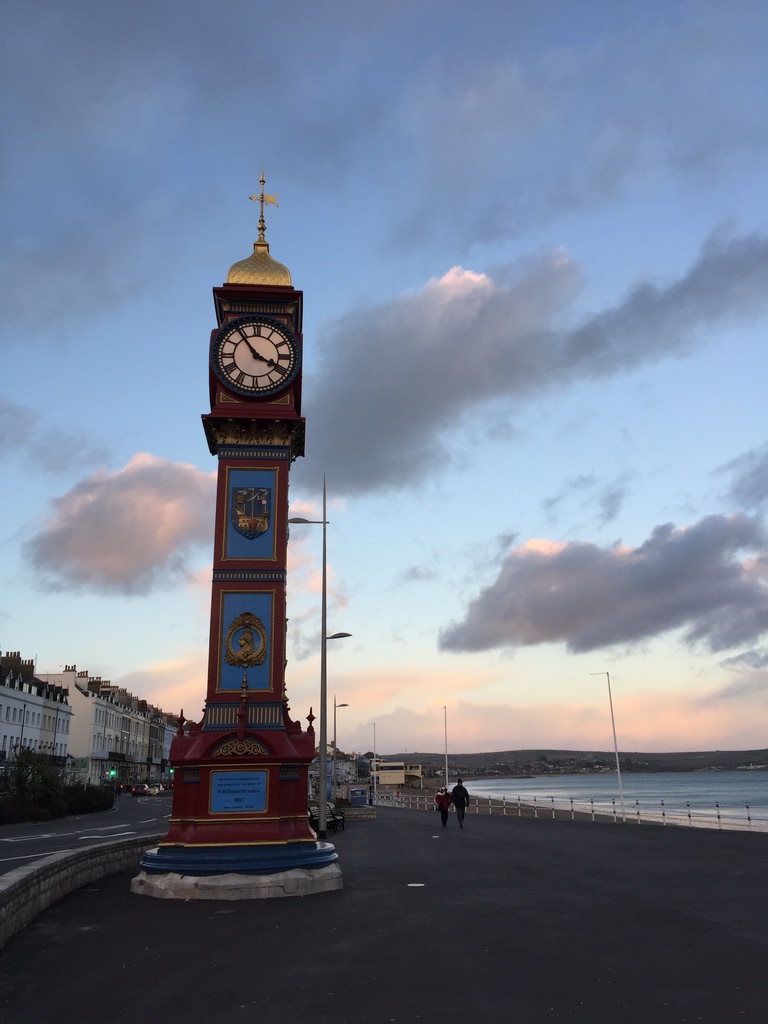
The Jubilee Clock Tower was built in 1888 to commemorate the Golden Jubilee of Queen Victoria. You can’t miss the wrought iron tower, which is brightly painted in red, blue and gold.
Beach Operations Building
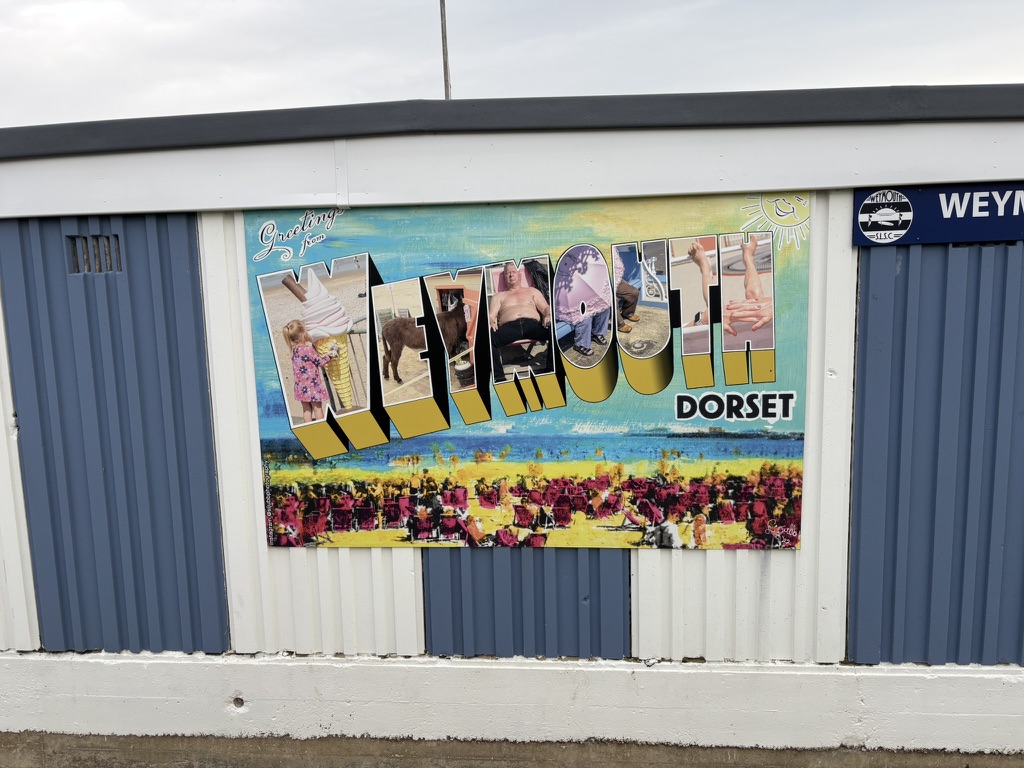
On the side of the Beach Operations Building, you can see the Massive Postcard by Weymouth photographer Si Jubb. This forms part of the Weymouth Mural Trail. If you want to follow the whole trail, which is around 2.5 miles long, details can be found here.
Sand Sculptures
The Sand Sculptures in a shelter on the Esplanade give visitors a taste of the work on display at nearby Sandworld. Below, a D Day themed sculpture and a lifeboat.
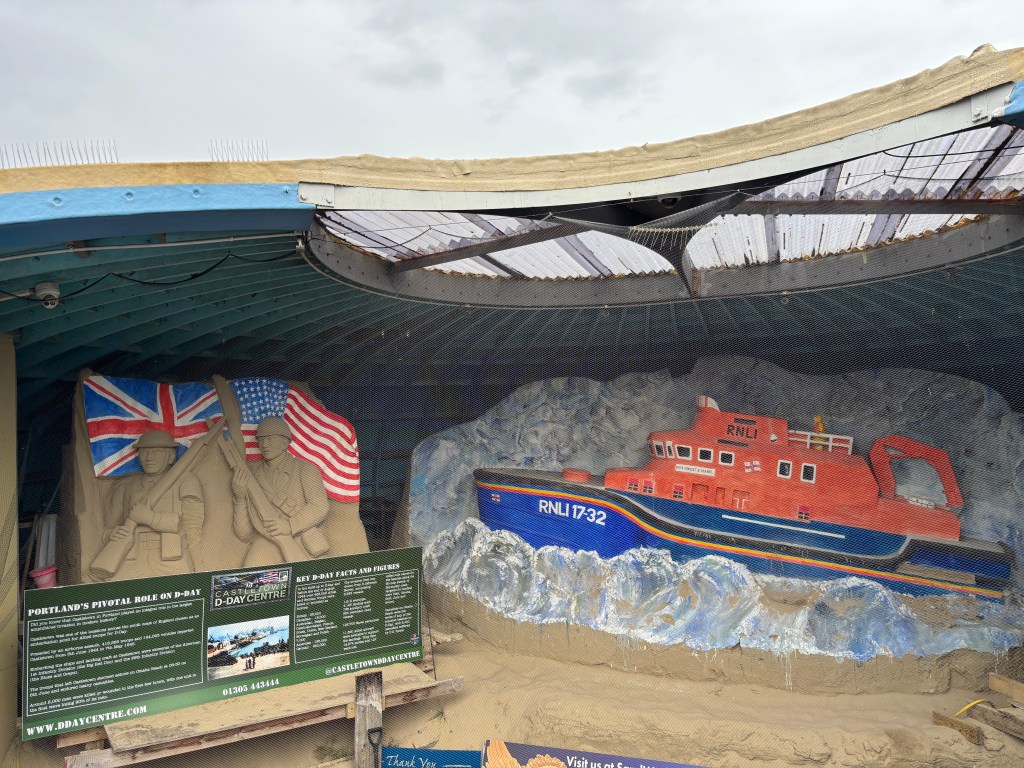
If you want to see more sand sculptures and even have a go at sand sculpting yourself, Sandworld is located 1.5 miles to the north. Sandworld is open between Easter and November. An adult tickets costs £11.75 (£10.75 online in advance).
Weymouth Pier
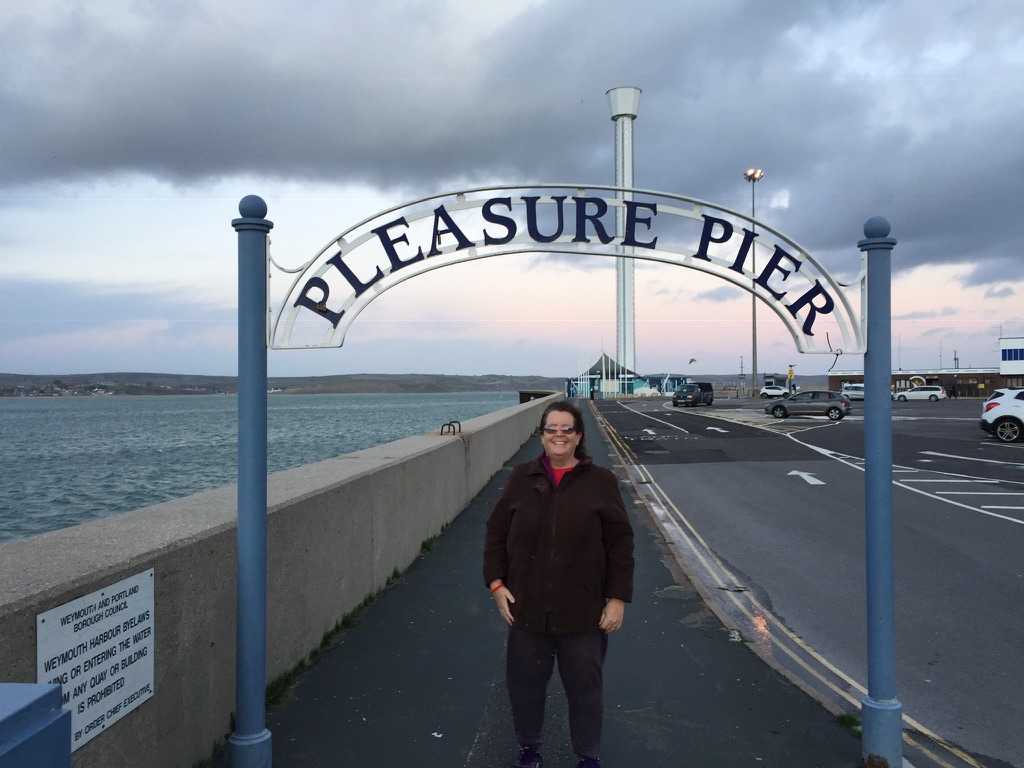
Situated on a peninsula between the beach and the harbour, you can find Weymouth Pier. Although there has been a pier here since the early 19th Century, the current concrete structure dates back to the 1930s. The pier was designed into two parts, with one side originally an industrial area section which also served as a terminal for cross channel ferries. The other section includes a promenade and theatre. A 53 metre tall Observation Tower was added to the pier for the 2012 Olympics, when Weymouth hosted the sailing events, but subsequently removed due to lack of visitors.
Weymouth Pavilion
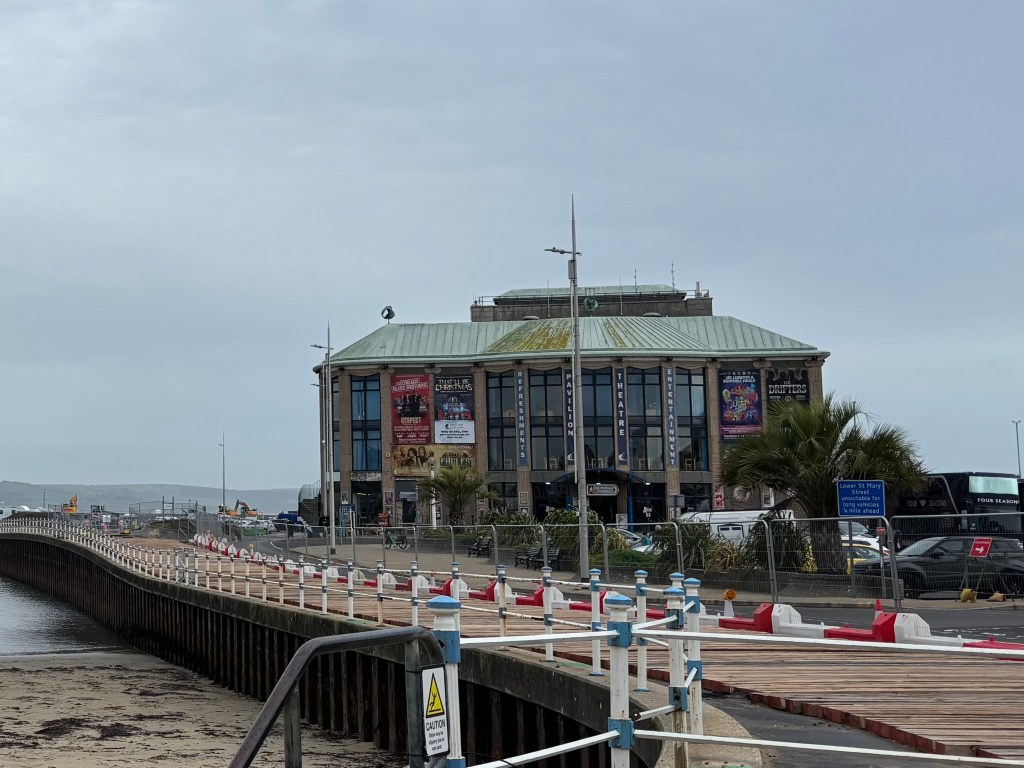
The pier is home to Weymouth Pavilion. There has been a pavilion here since 1908. However, in 1954, the original wooden structure burned down. The current building dates back to 1960. The Pavilion offers live shows and cinema. It also has a cafe, which is open daily.
Weymouth Harbour
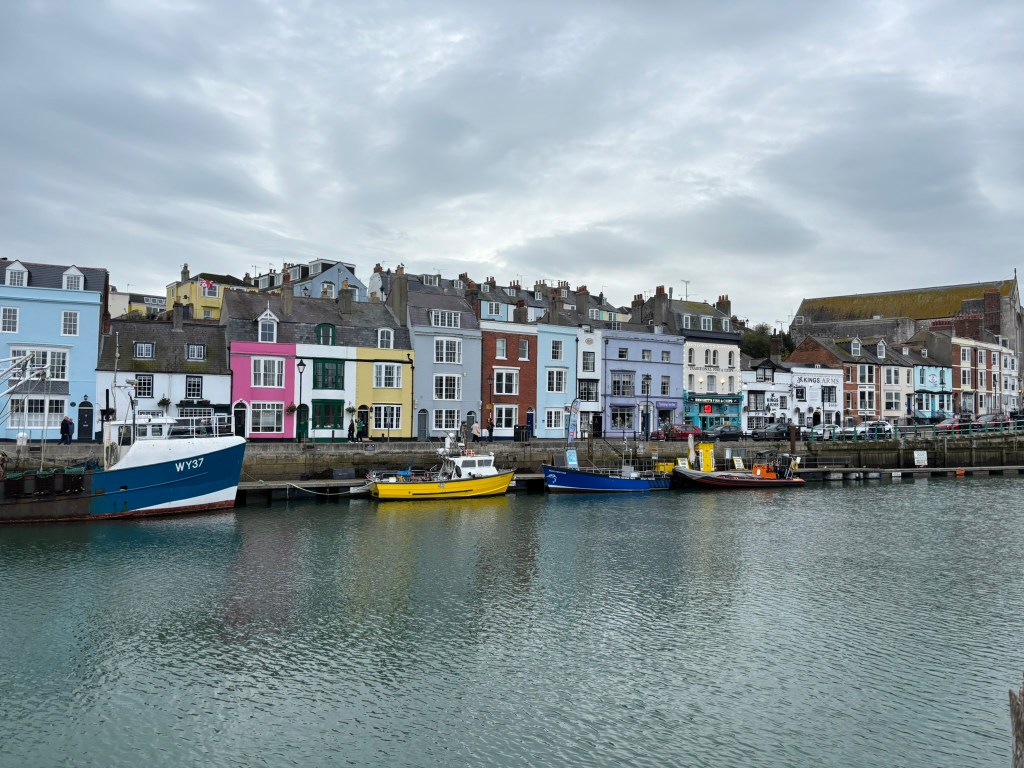
From the Pavilion, you can wander along the harbourside, past fishing boats and quaint, brightly coloured building, many of which house bars and restaurants.
Custom House
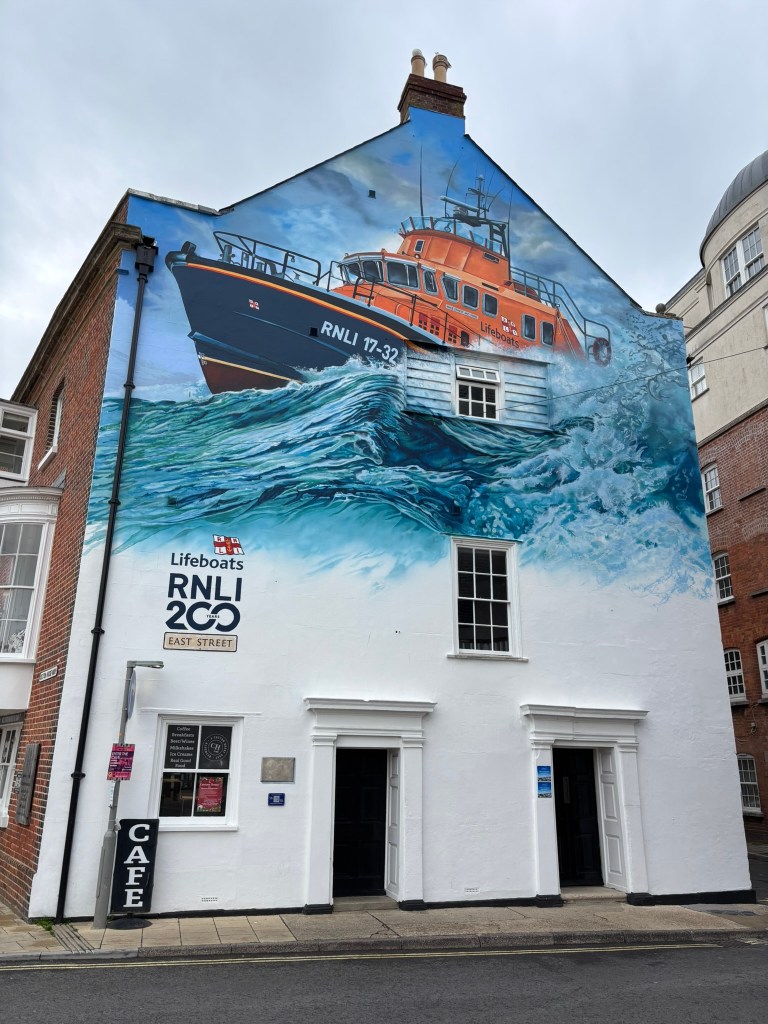
The 18th Century Custom House was originally built to handle the harbour’s customs affairs. It now contains a cafe and flats. The Custom House sits opposite the RNLI Lifeboat Station and the side of the building has a mural to mark the organisation’s bicentenary. The stunning mural initially sparked controversy for being too garish.
Town Bridge
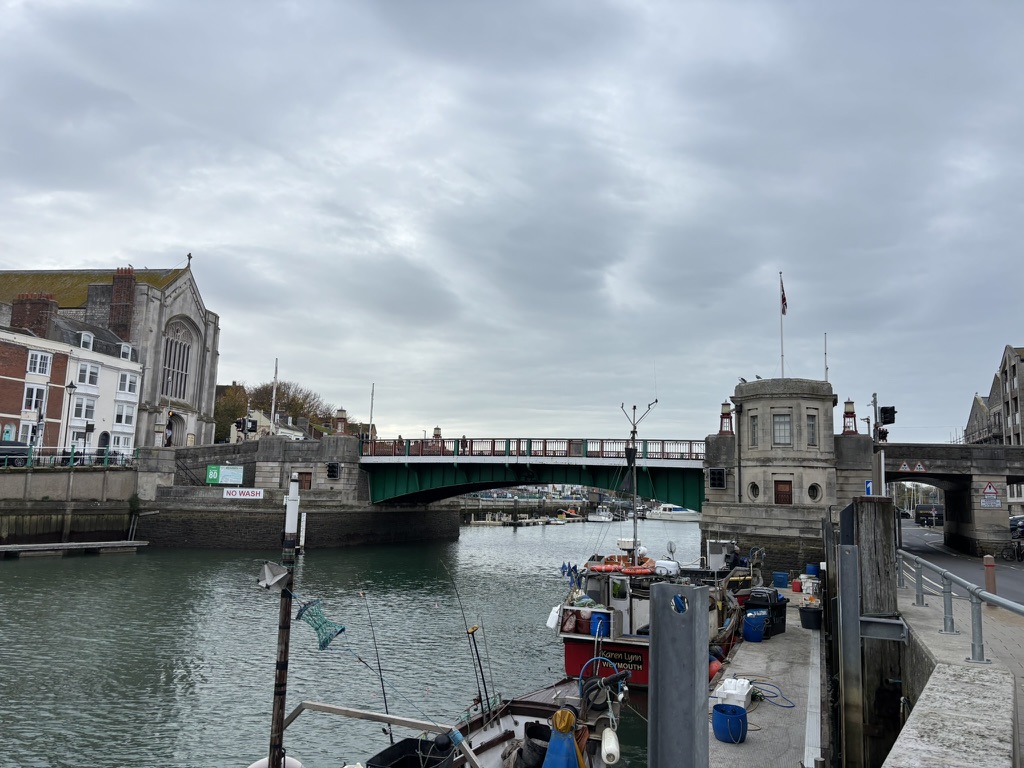
There has been a bridge across the River Wey since the 16th Century. The current Town Bridge dates from 1930 and is the sixth bridge to be built here. The bridge usually lifts every 2 hours throughout the day to allow ships to pass.
Nothe Fort
If you have time, cross the bridge and head down the other side of the harbour to Nothe Fort. The 19th Century fort, originally built to protect the harbour from European invasion, is now open to the public.
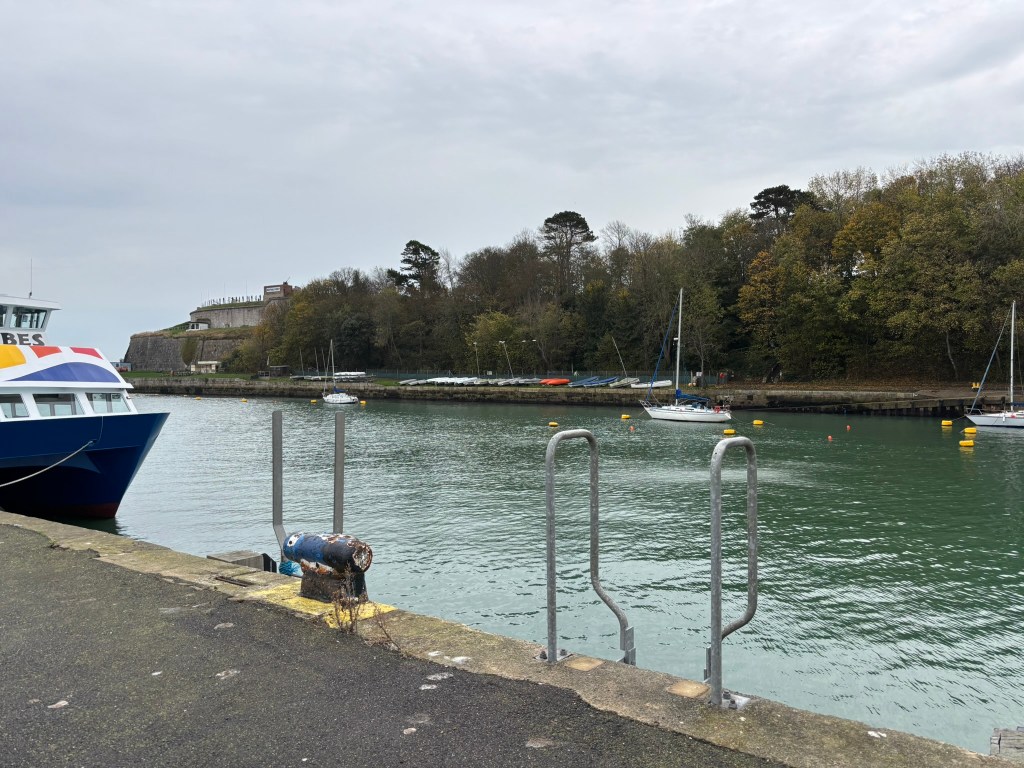
The fort is open daily for much of the year. An adult annual pass costs £10.50.
- Updated: February 2026
 Jane's Midlife Journey
Leave a comment