
The Saxon town of Christchurch is steeped in history. Nestled between the coast and the New Forest, and between the Rivers Avon and Stour, it is a pretty town with plenty to explore, including a 1000 year old priory, Norman castle, picturesque harbour and even some medieval instruments of torture. I love to visit Christchurch for a leisurely stroll, taking the route described below down the High Street, round the quay and back via the castle.
How to get to Christchurch
Christchurch is situated just off the A338, some 5 miles east of Bournemouth.
By Bus
It is easily accessible by public transport. Buses No 1a/1b/1c and X1/X1 stop in the Town Centre. Note: On Mondays, the High Street is closed for Market Day, so buses stop at Fountain Way.
Christchurch is also accessible by train, with direct trains from London and Bournemouth. Christchurch Station is a 10 minute walk from the High Street.
Parking
There are several Pay & Display car parks in the town, which become more expensive the closer you get to the harbour. I usually park at Bank Close Car Park; this avoids congestion if the town is busy – which happens in summer, as visitors flock to the south coast. Parking costs £1.40 for 2 hours. Further details can be found here.
Christchurch Self Guided Walking Tour Route
Below is my regular circular walking route taking in the highlights of Christchurch:
| 1 | Old Town Hall |
| 2 | Regent Centre |
| 3 | Christchurch Priory |
| 4 | Red House Museum |
| 5 | Church Lane |
| 6 | Place Mill |
| 7 | Christchurch Harbour |
| 8 | The Quomps |
| 9 | Priory Gardens |
| 10 | Convent Walk |
| 11 | Christchurch Castle |
| 12 | Norman House Ruins |
| 13 | Stocks |
| 14 | Ducking Stool |
| 15 | Millhams Lane |
| 16 | Saxon Square |
| 17 | Christchurch Market |
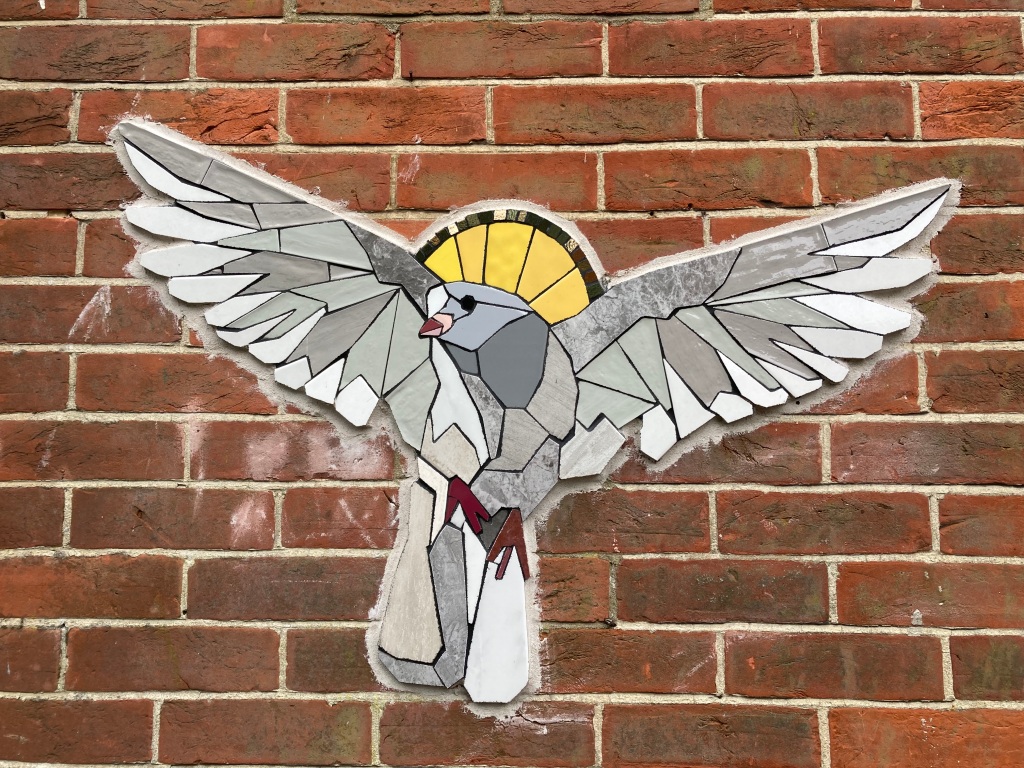
The tour starts at Bank Close Car Park, behind Marks & Spencer. In the alleyway next to the store, you can find this wonderful pigeon mosaic by local artist, Matthew Byrom.
Old Town Hall
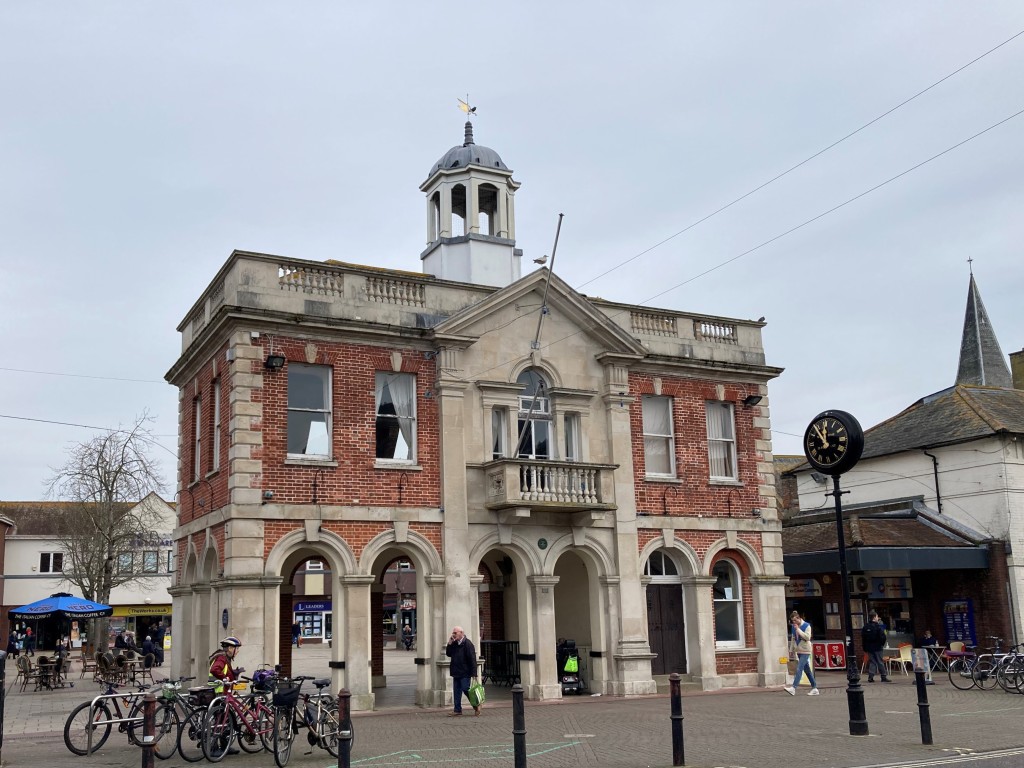
Turn right and walk down the High Street. On the other side of the road is Saxon Square and the Old Town Hall. The Old Town Hall was originally built in 1746 a couple of hundred metres further down the High Street. A century later, it was dismantled and moved to its current location to ease traffic flow.
Regent Centre
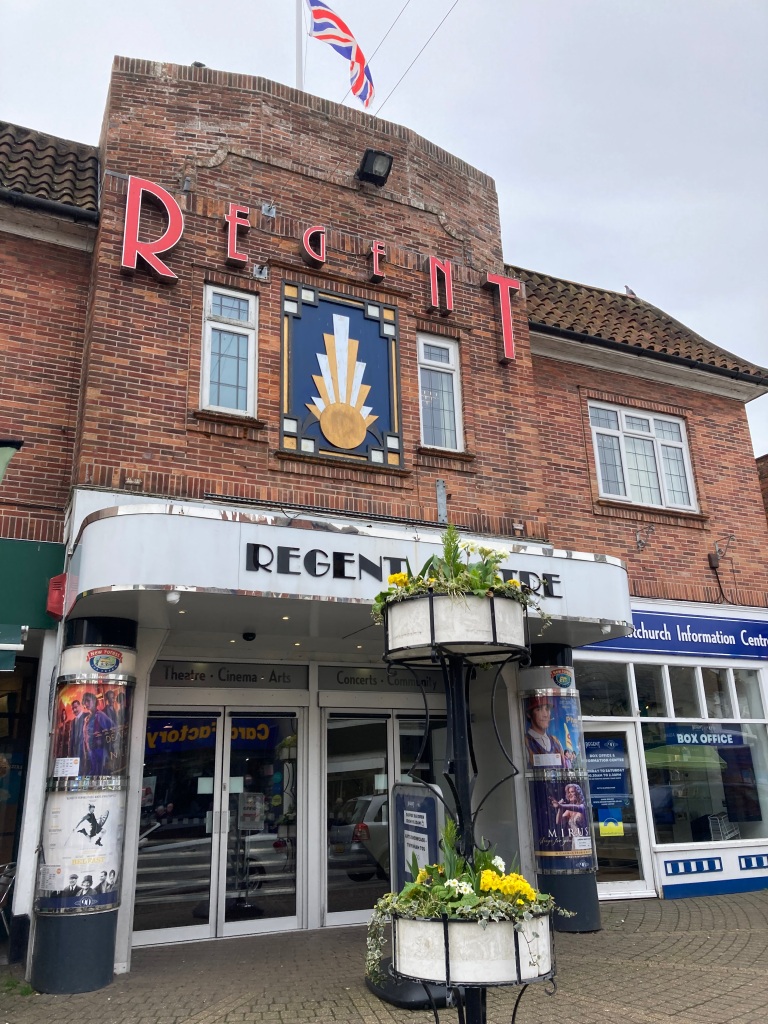
On the right is the Regent Centre. This beautifully renovated Art Deco theatre and cinema recently celebrated its 90th birthday. It also houses the Tourist Information Centre, so why not pop in and find out what’s on.
Christchurch Priory
At the roundabout, continue into Church Street to Christchurch Priory. This church, dating from Norman times holds the title of largest parish church in England. Building work began way back in 1094.

Nave
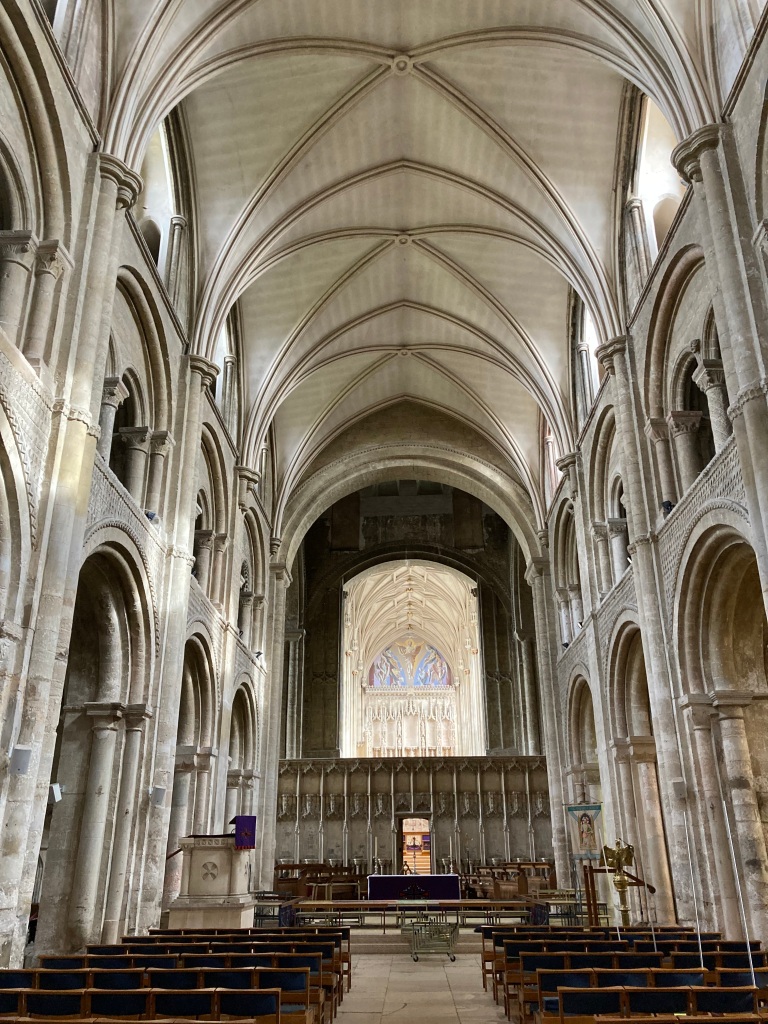
The Norman arches of the nave tower above you. It is believed to have been raised to its current height in 1350.
Lady Chapel
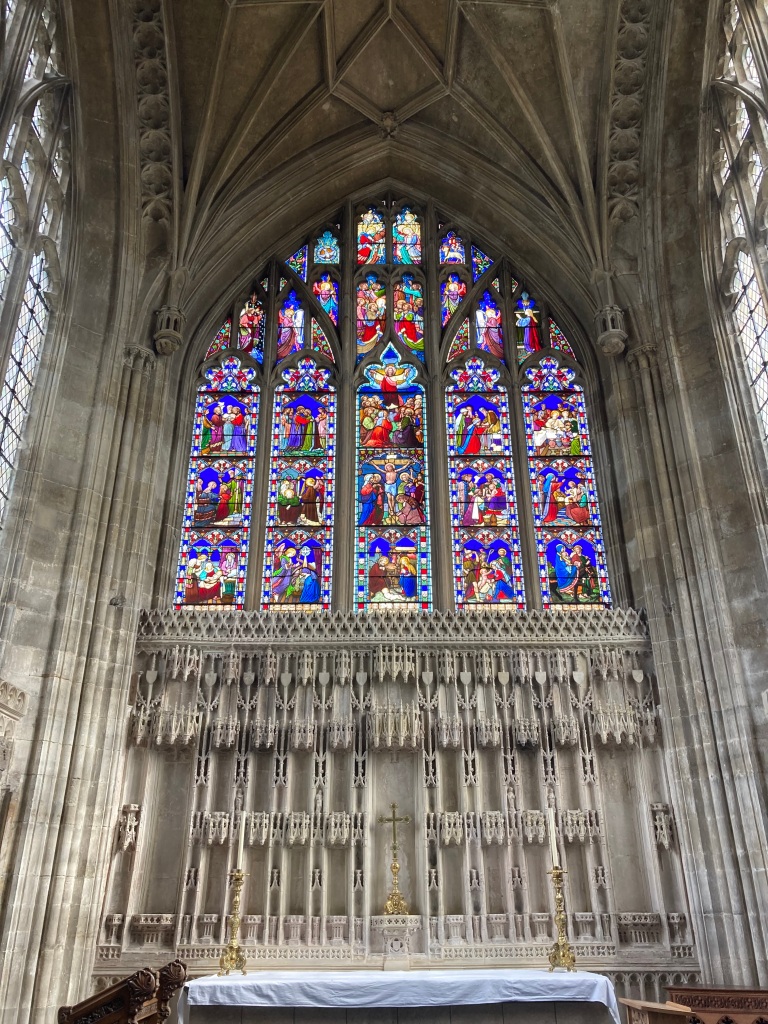
The 15th Century Lady Chapel has a 19th Century stained glass window depicting the life of Mary, mother of Jesus.
The Miraculous Beam
At the rear of the church you will find the Miraculous Beam. According to legend, when the church was being built in the town of Twynham, a mysterious carpenter appeared and helped to cut timber beams for the room. One day, someone cut a beam too short. The next day, the beam had miraculously lengthened. The mysterious carpenter was never seen again… It was believed that this carpenter was, in fact, Jesus. So the town changed its name to Christchurch.
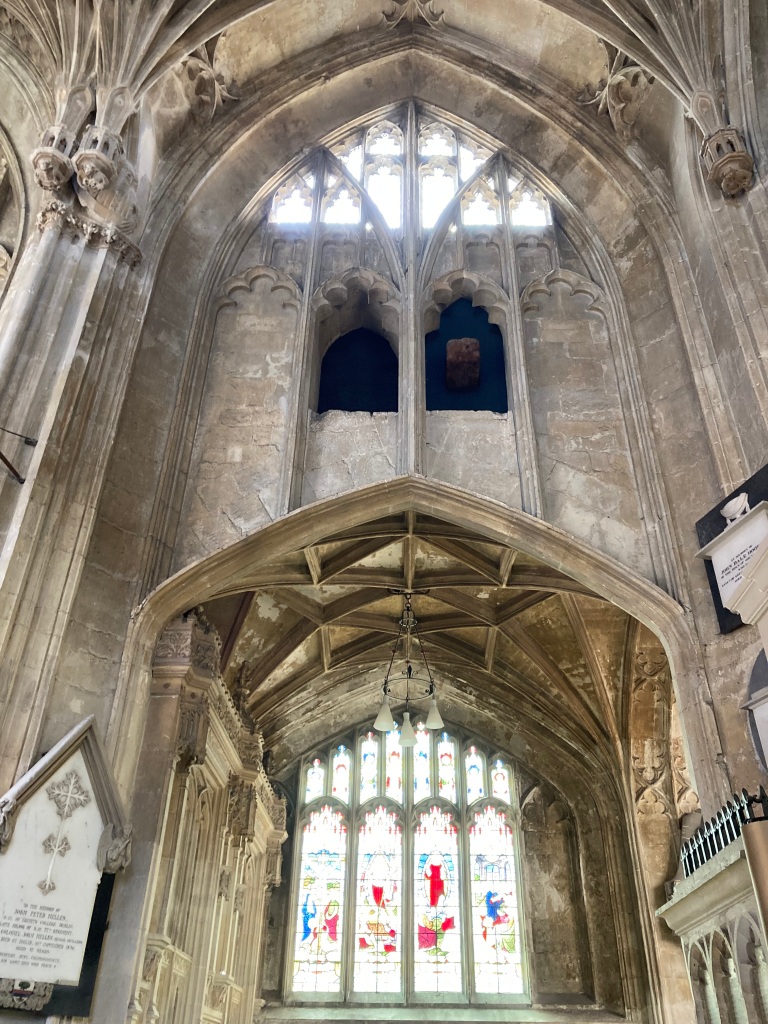
You can visit the church between 10 am and 5 pm (as long as there is no service taking place) to admire its grandeur and its spectacular stained glass windows. Friendly Welcomers are on hand to provide information about the priory and answer any questions. It is free to enter.
Red House Museum
Exit the Priory and turn left, which brings you to Church Lane. In front of you is the Red House Museum. Housed in the former workhouse, the museum documents the history of Christchurch. When a new, bigger workhouse was built the ‘Red House’ ended up in the hands of avid collector Herbert Druitt, who turned it into his own private museum.

The Red House is open from 10 am until 4 pm Wednesday to Saturday and from 12 until 4 pm on Sundays. It is free to enter.
Church Lane
Church Lane looks like its climbed right off the lid of a chocolate box, with some lovely old houses. My favourite is Sundial Cottage.

Place Mill
Turn into Quay Road and walk to the end, where you will find Place Mill, in between the River Avon and the River Stour. As you will see from the blue plaque on the wall, the mill was mentioned in the Domesday Survey of 1086, with a value of 30 shillings a year.

The building no longer operates as a mill. It occasionally opens (mainly in summer) showing art exhibitions or local handicrafts.
The Quomps
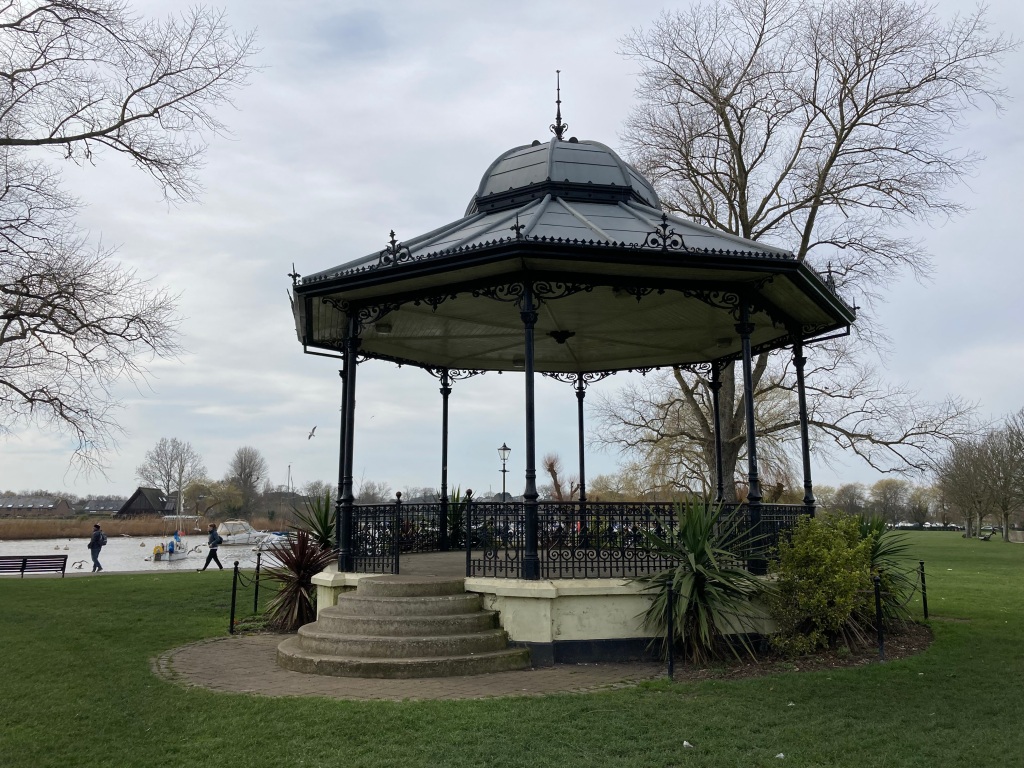
Christchurch quay, otherwise known as The Quomps and the bandstand are in front and to the right.

This area is a hive of activity in summer, with a range of events such at the Christchurch Food Festival and Stompin on the Quomps jazz festival taking place.
Priory Gardens
Turn round and take a right at the gap in the wall just past Place Mill, into Priory Gardens.
Convent Walk
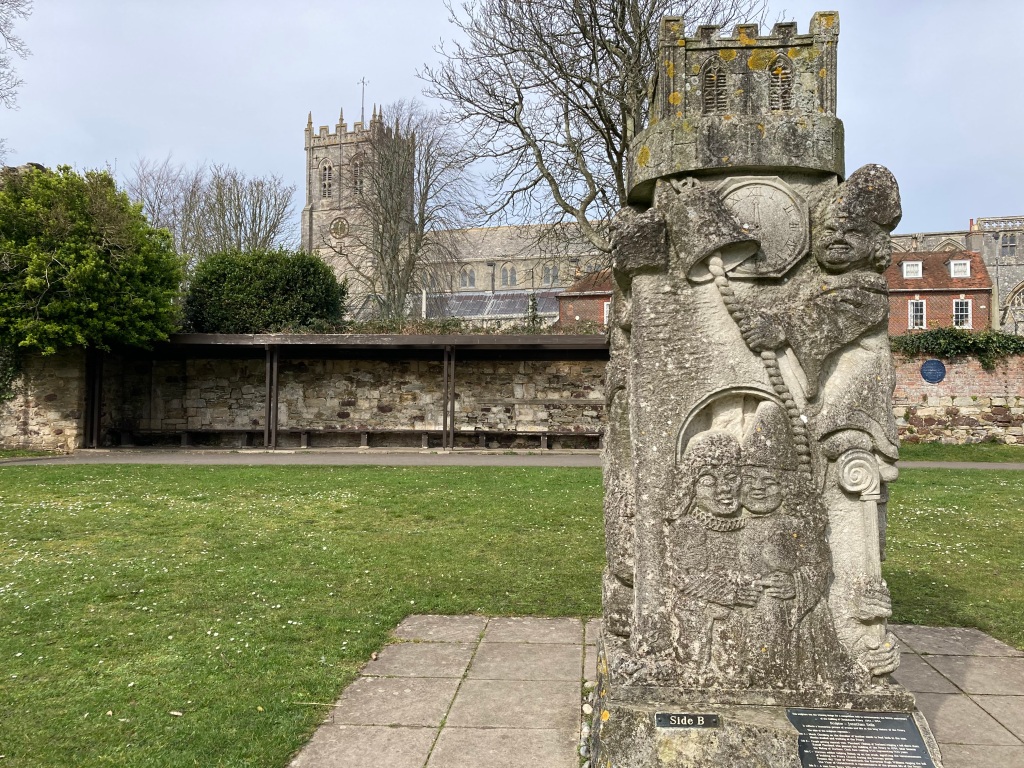
From here, Convent Walk follows the edge of Mill Stream, past the rear of the Priory, ending at the foot of the ruins of Christchurch Castle.

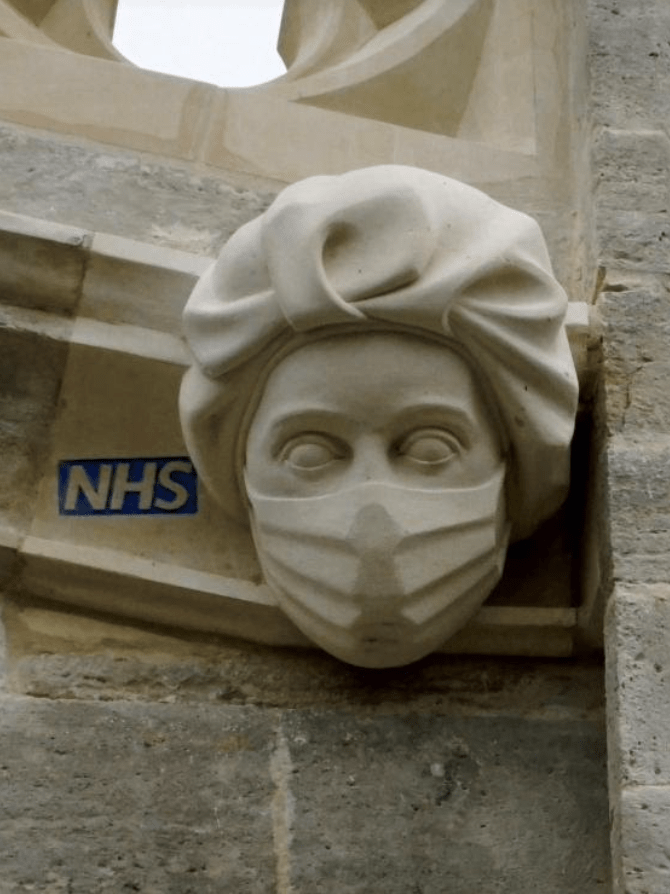
Gargoyles
If you look up at the church, you will notice some recently renovated gargoyles. These were completed in 2021 and have been brought up to day with modern day images. The first time I looked up and spotted a gargoyle in a surgical face mask I thought I was hallucinating! The sculpture was inspired by architect Columba Cook’s niece, an intensive care doctor. It’s quite high up, so here’s a close-up picture I borrowed.
Christchurch Castle
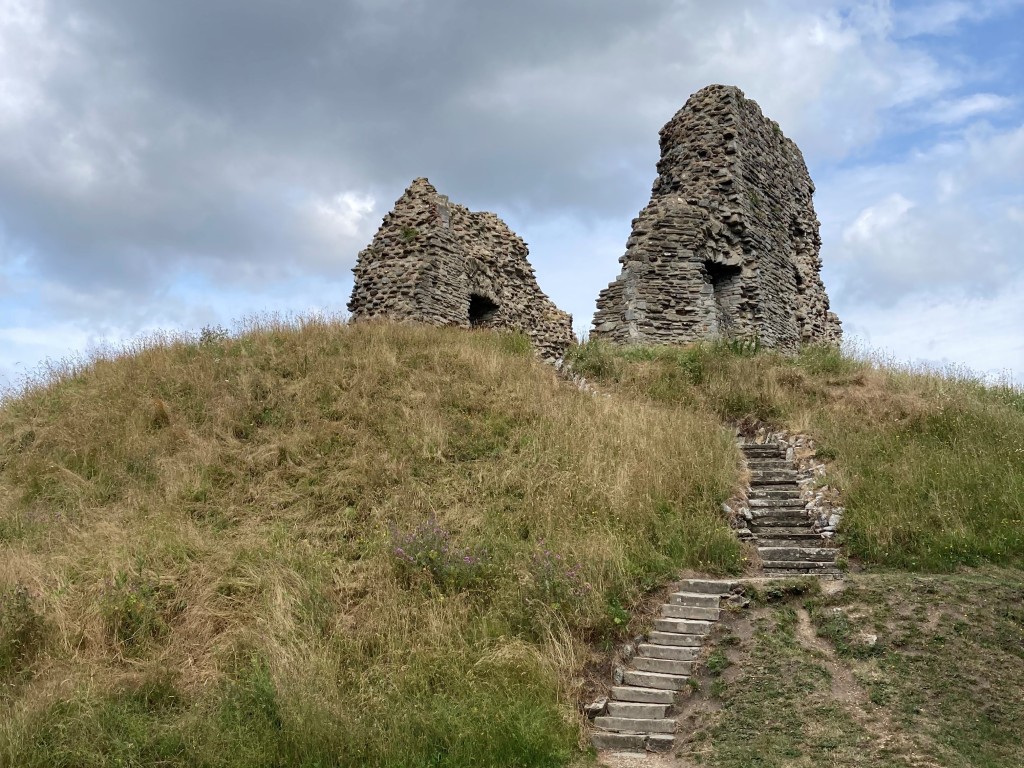
Pass through the gap in the wall to reach Christchurch Castle. The castle ruins date from the 11th Century. To be more accurate, this is just a tower which remains from what would have been a much larger castle.
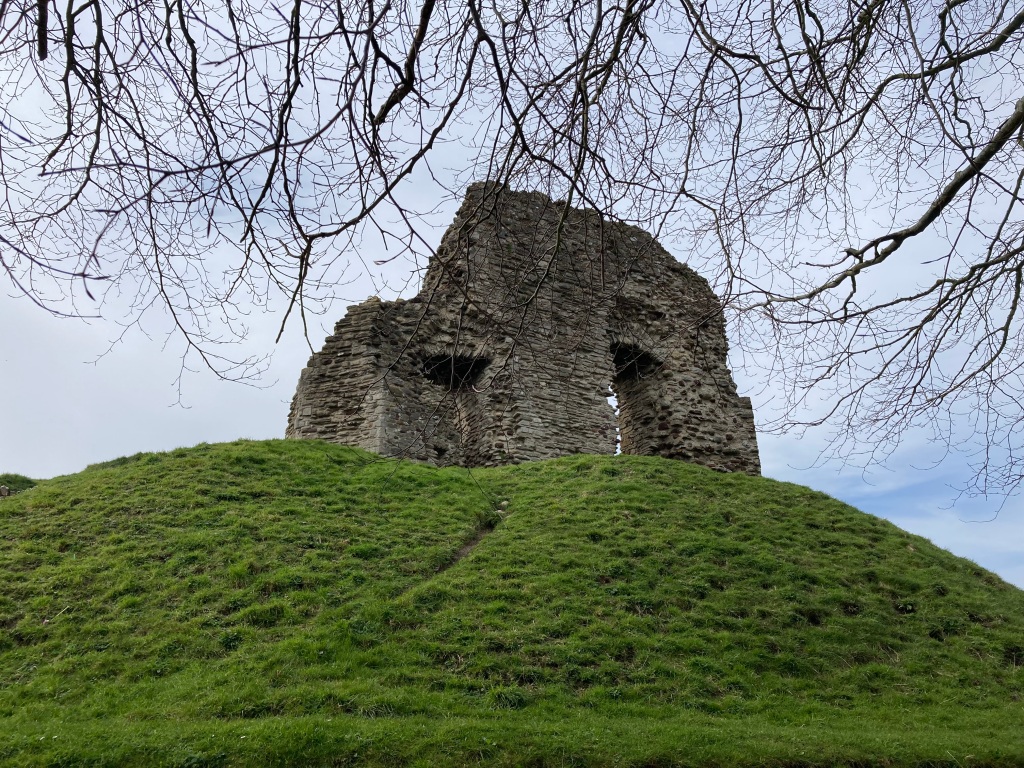
An English Heritage sign gives a brief history of the castle. It was begun by Richard de Redvers, a Norman baron who accompanied William the Conqueror to England, in about 1100. During the English Civil War, Parliamentarian troops attacked and took Christchurch, a Royalist town. In 1645, Royalists counter attacked, forcing the Parliamentarians to seek refuge in the castle. They retained both the castle and town throughout the rest of the war. The castle’s defences were dismantled by order of Parliament in 1651. Local people helped themselves to the building materials and the castle fell into ruin.
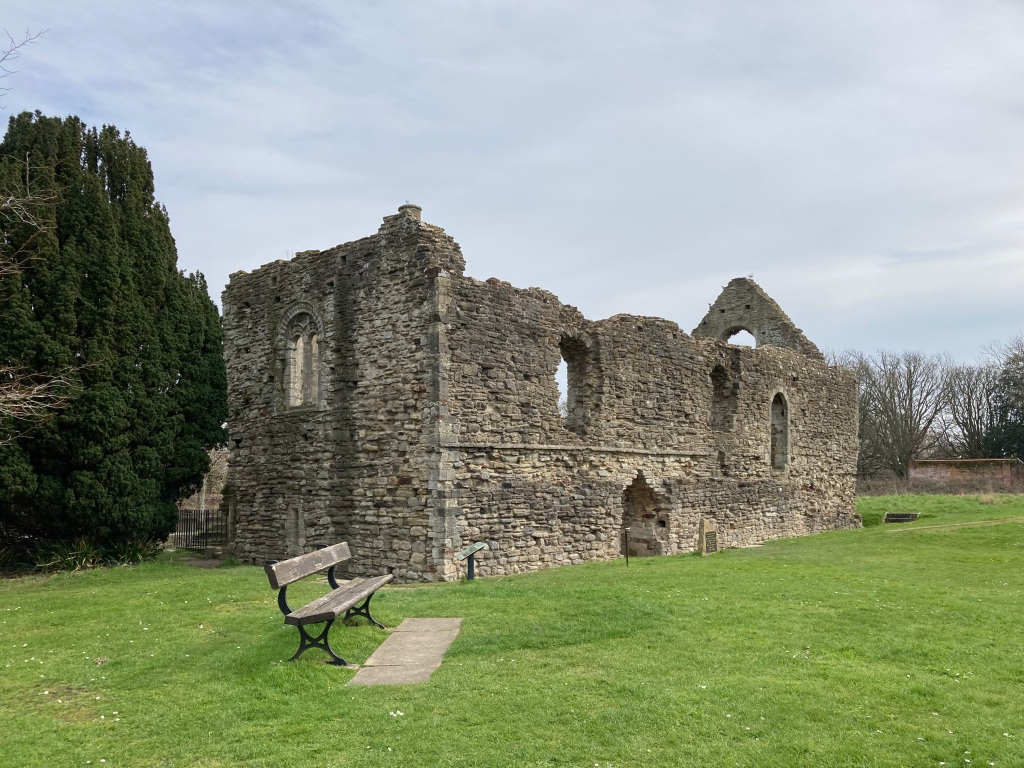
Norman House Ruins
Next to the castle are the Norman House ruins. This addition to the castle was built in the mid-12th century, providing luxury accommodation for de Redvers’ nephew, The Earl of Devon, and his family.
Stocks
In the castle grounds you can find the old village stocks. I couldn’t resist having a go!

Ducking Stool
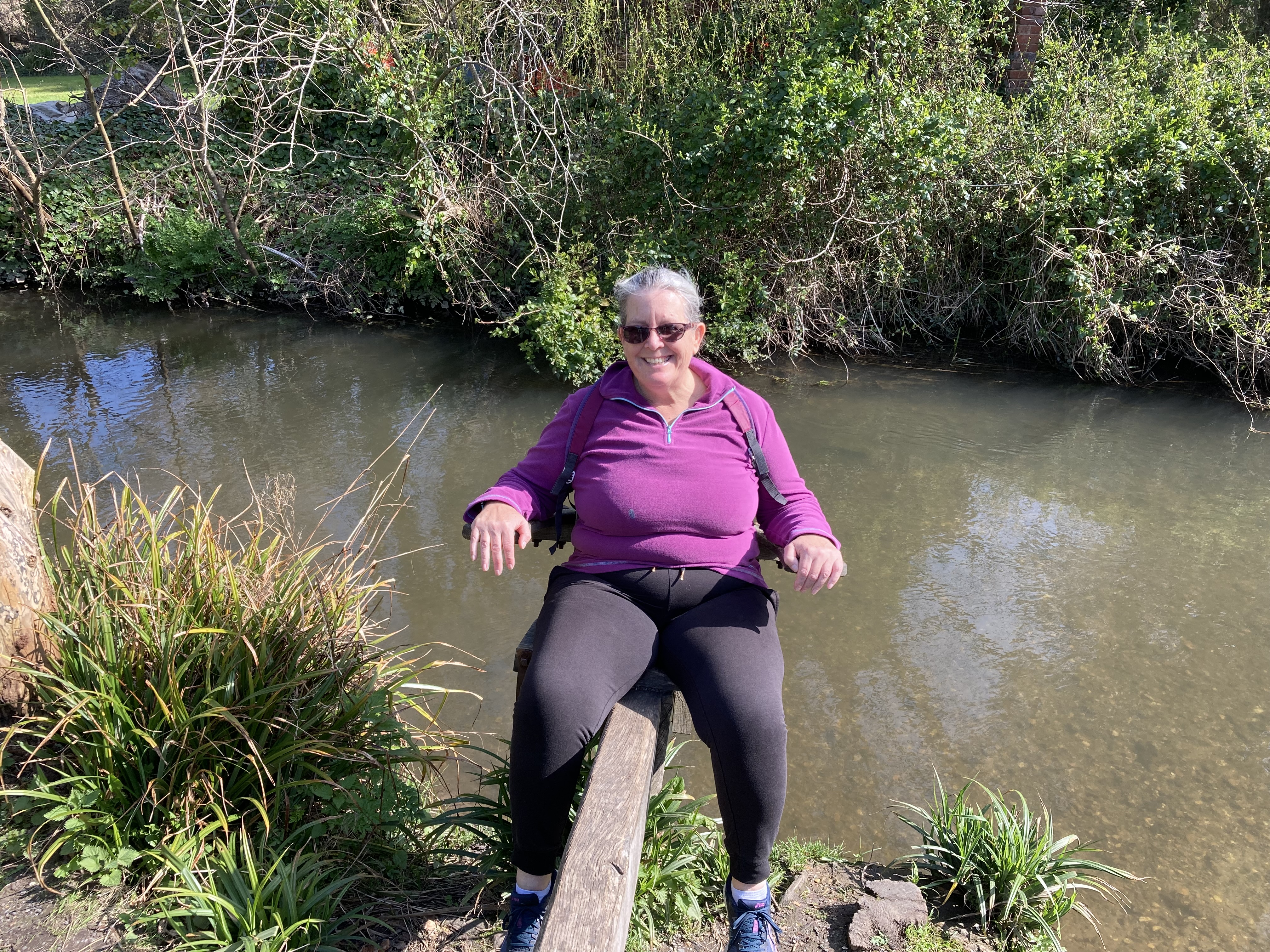
Cross Castle Street into the alleyway opposite, this will bring you to the Ducking Stool. Ducking stools were used to punish unruly or outspoken women by ducking them into the water. I couldn’t resist having a go!
Millhams Lane
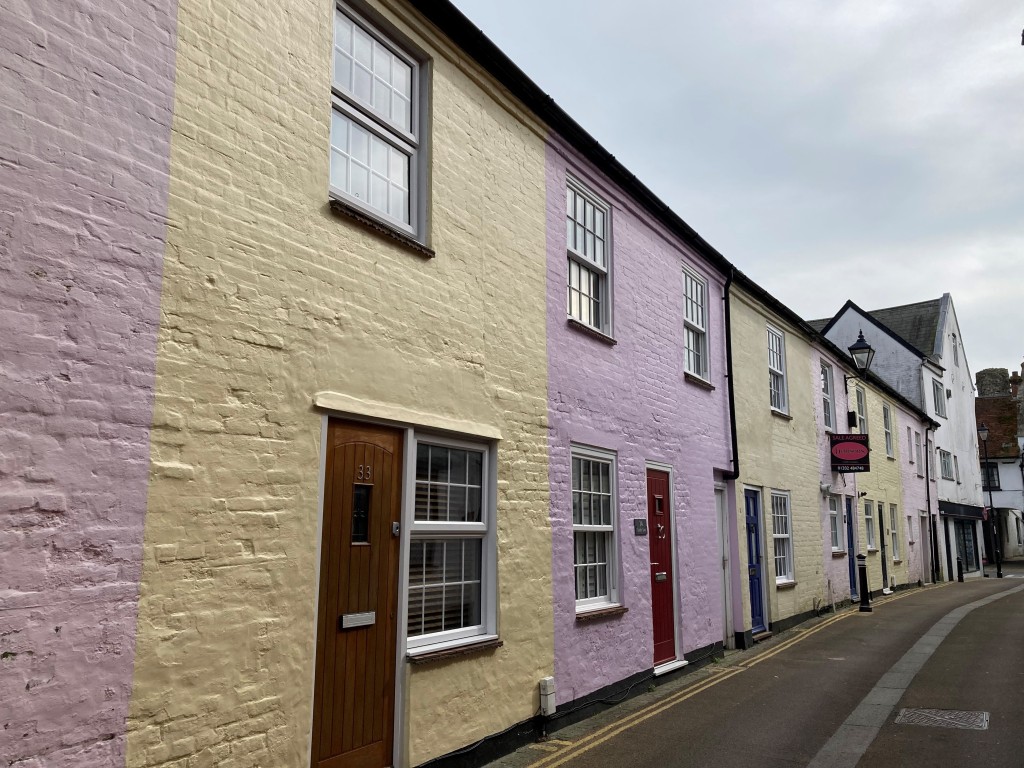
Turn into Millhams Lane, past the multicoloured terraced houses.
Saxon Square
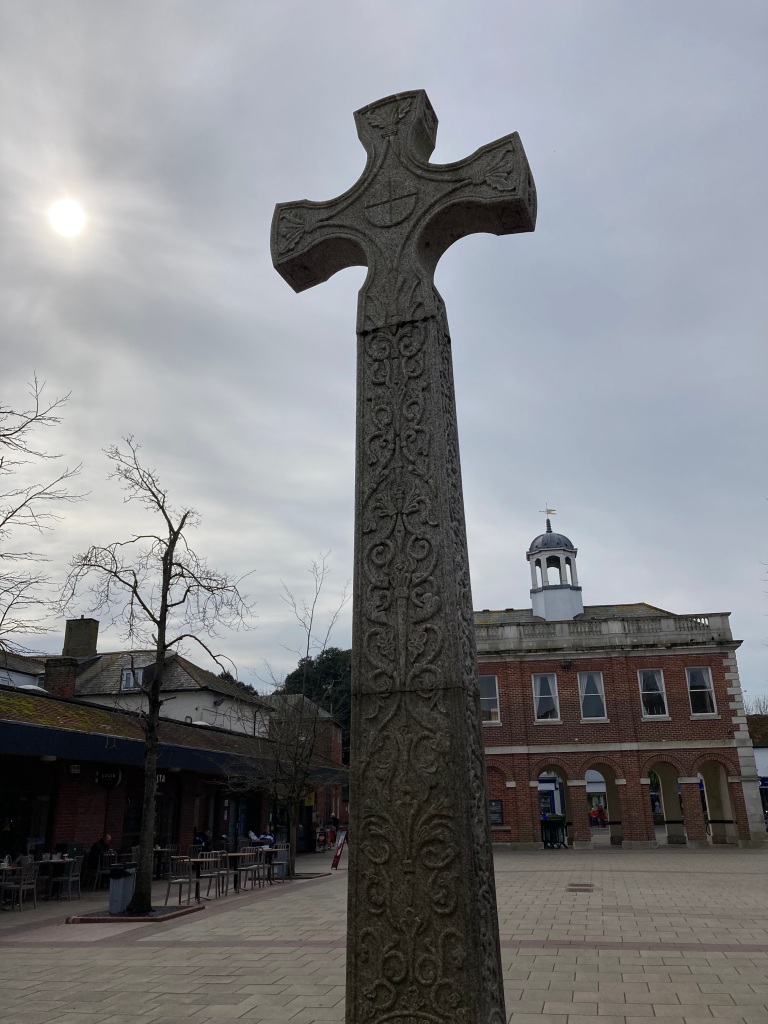
At the end of the road, an alleyway will bring you into the rear of Saxon Square. This pedestrian plaza behind the Old Town Hall is now a modern shopping centre.
Christchurch Market
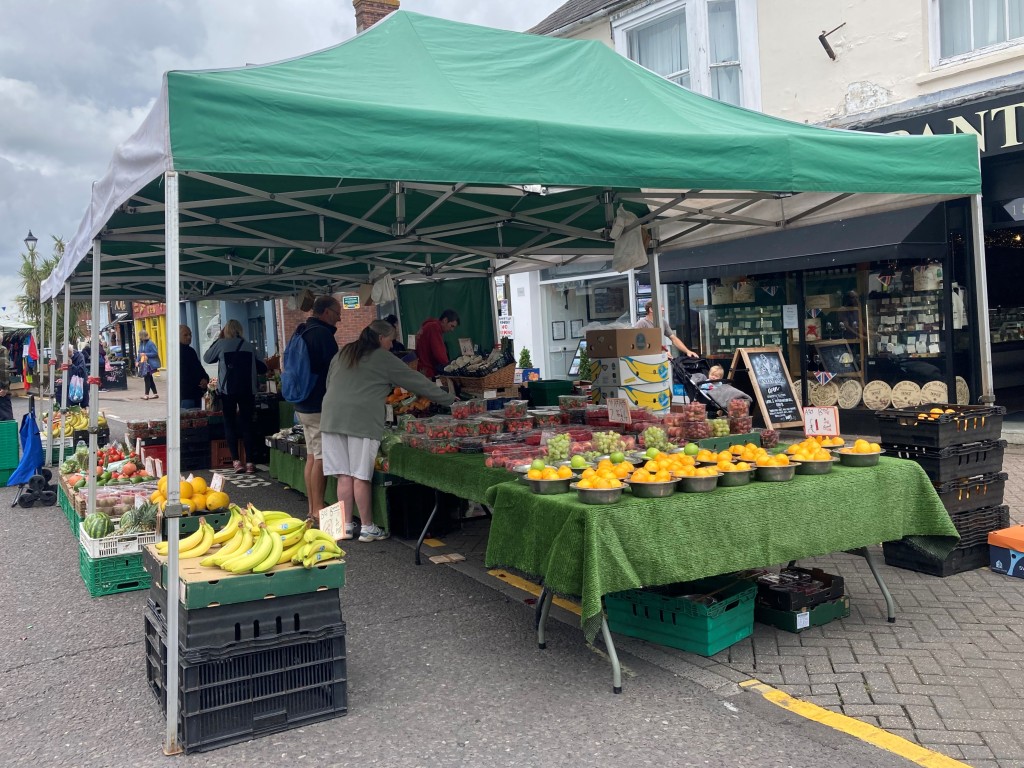
I love visiting Christchurch on Mondays for Market Day, finishing off my walk in the weekly market, which is held in the High Street, to purchase some fresh local produce.
Refreshments
There are plenty of excellent bars, cafes and restaurants lining Christchurch High Street. Alternatively, there are a couple of nice restaurants on the Harbourside; Captain’s Club and the Boathouse.
Or how about a milkshake from the Ducking Stool?

I hope you found this information useful. For more inspiration on things to do in and around Bournemouth, check out my 101 Things to do in Bournemouth here.


 Jane's Midlife Journey
Leave a reply to 101 Things to do in Bournemouth 2023 – Jane's Midlife Journey Cancel reply