
I spent 3 days exploring Belgium, with my time split between the capital, Brussels and the historic city of Ghent, exploring the old towns and some of the other tourist attractions these two cities have to offer.
Note: I had intended to spend my third day in Ypres (Ieper), visiting some of the sites associated with the horrendous fighting and subsequent loss of life which was suffered here during WW1. However this proved difficult by public transport and surprisingly expensive by guided tour. So I spend a second day in Ghent instead.
How to get to Belgium
Brussels is well connected by rail and air. From London, the Eurostar train travels direct to Brussels from St Pancras. It stops at Brussel-Midi/Zuid Station in the centre. The airport is 8 miles north east of downtown Brussels. From here, there are regular trains into the central station. Journey times are around 23 minutes. It is quick and easy to reach Belgium’s other cities by train from Brussels.
Belgium in 3 Days Itinerary
| Day 1 | Travel to Brussels Mont des Arts Manneken Pis Grand Place Galeries Royales Saint-Hubert Jeanneke Pis Zinneke Pis Lunch at Frites Atelier Belgian Beer World Atomium |
| Day 2 | Castle of the Counts (Gravensteen) Korenlei Graslei Great Butchers’ Hall St Michael’s Bridge St Nicholas’ Church Belfry of Ghent City Pavilion St Bavo’s Cathedral The Ghent Altarpiece (the Adoration of the Mystic Lamb) Graffiti Street (Werregarenstraat) Dinner at Tush |
| Day 3 | Dok Noord Swimming in the Blaarmeersen Dinner at Veggi & Grill Drinks at Trollekelder |
| Lunch at the Crispy Crunch Diner Travel to London |
Belgium Day 1 – Brussels
We spent 1 day exploring the Belgian capital of Brussels. In the morning, we wandered round the old town, admiring the architecture (and the pissing statues). My planned route covers a distance of around 2 miles. After the obligatory lunch stop for frites, we headed just north of the city to visit one of Brussels’ top tourist attraction, the Atomium.
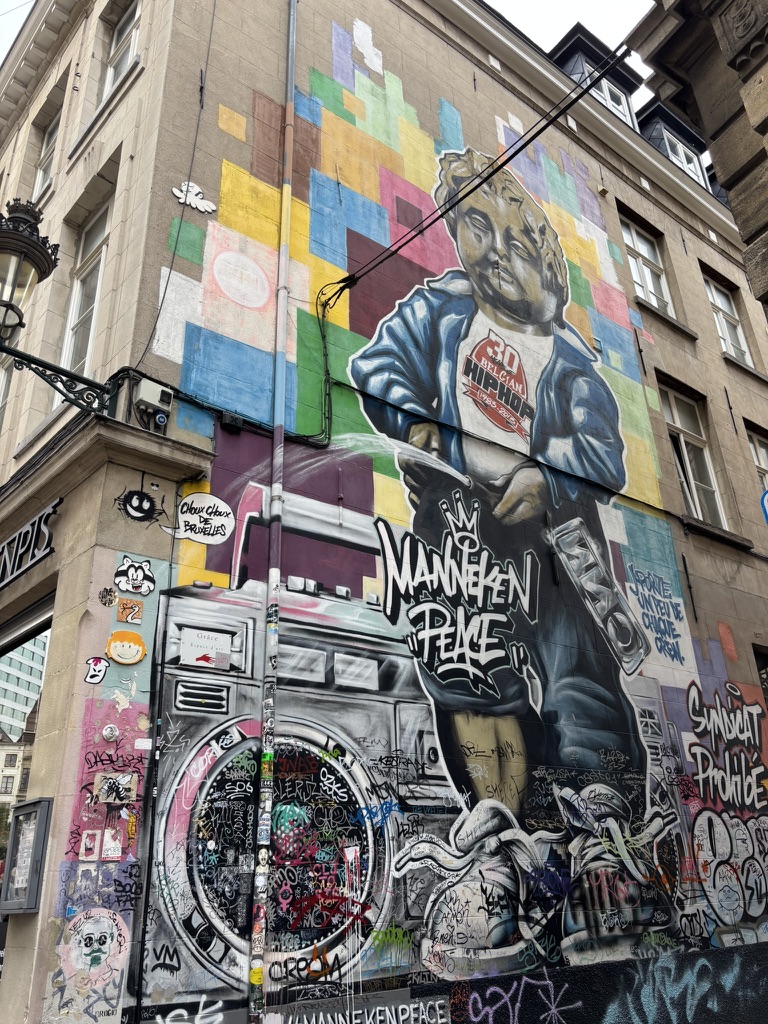
Travel to Brussels
I travelled to Brussels on the Eurostar from London. The journey takes around 2 hours. You go through passport control in London, so once in Brussels, you merely get off the train and go on your way. The Eurostar arrives at Brussel-Midi/Zuid Station, just south of the old town. From here, we took the IC train one stop to Brussel-Centraal.
Mont des Arts
Our tour starts at the Mont des Arts; an urban complex and historic site. Development began in the late 19th Century as part of an urban renewal project initiated by King Leopold II to accommodate the city’s cultural institutions, with the gardens added for the 1910 Universal Exhibition.
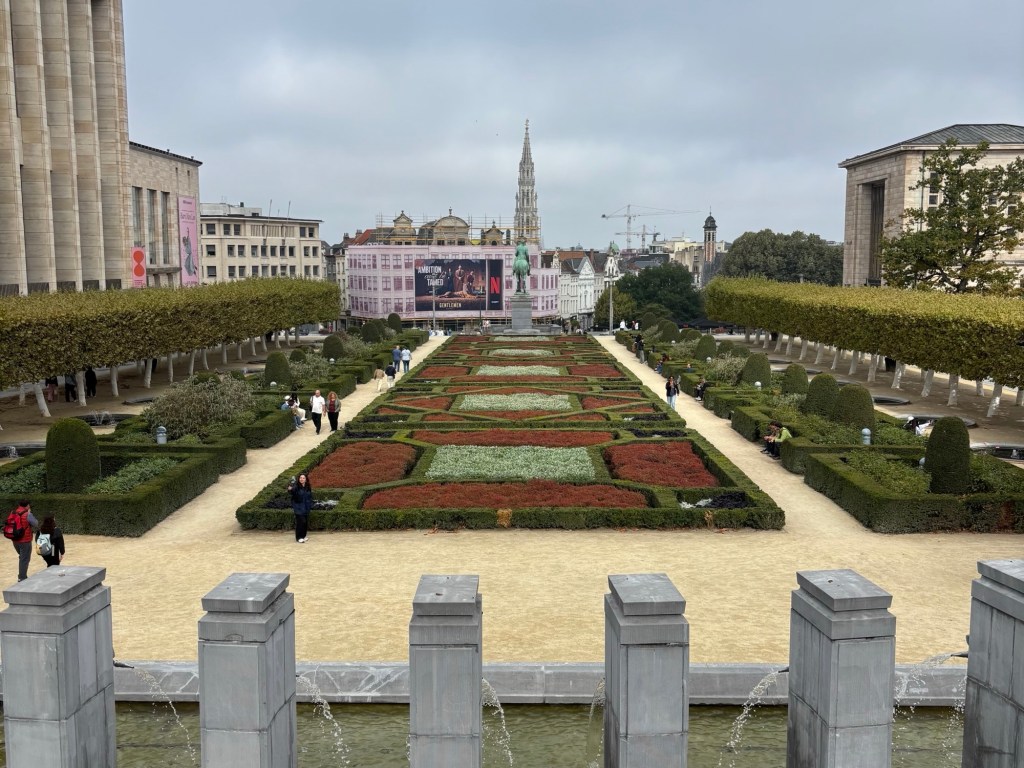
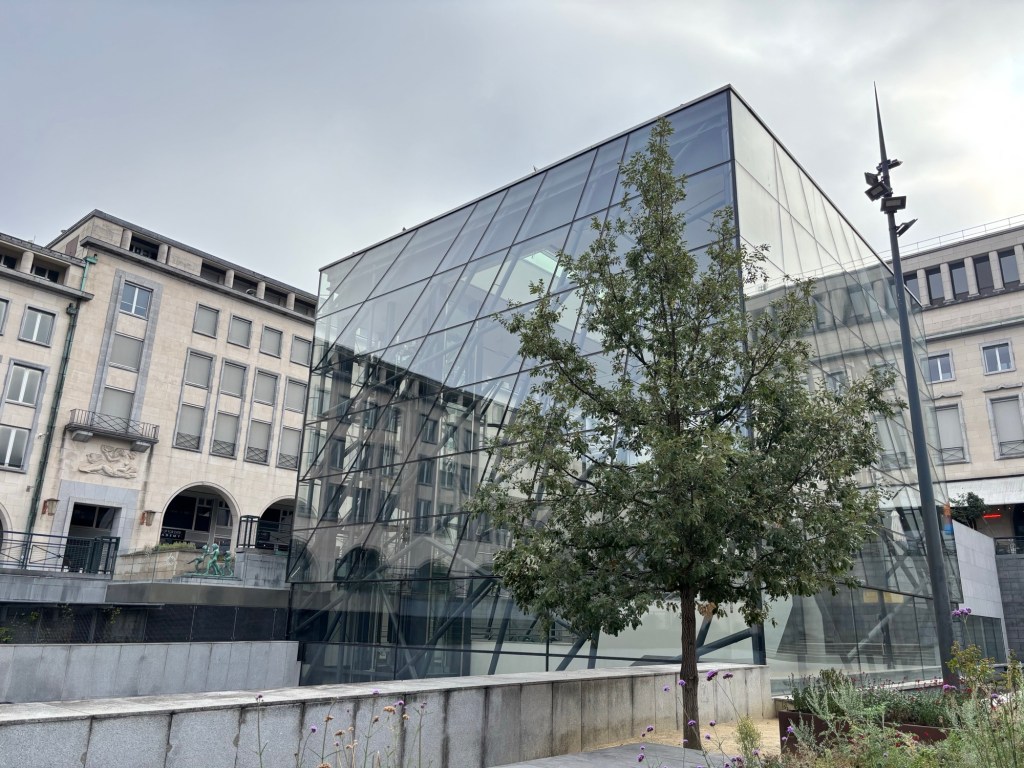
Buildings include the Royal Library of Belgium, the National Archives of Belgium, a Convention Centre (famous for its glass cube), a shopping mall. All surrounding a public garden.
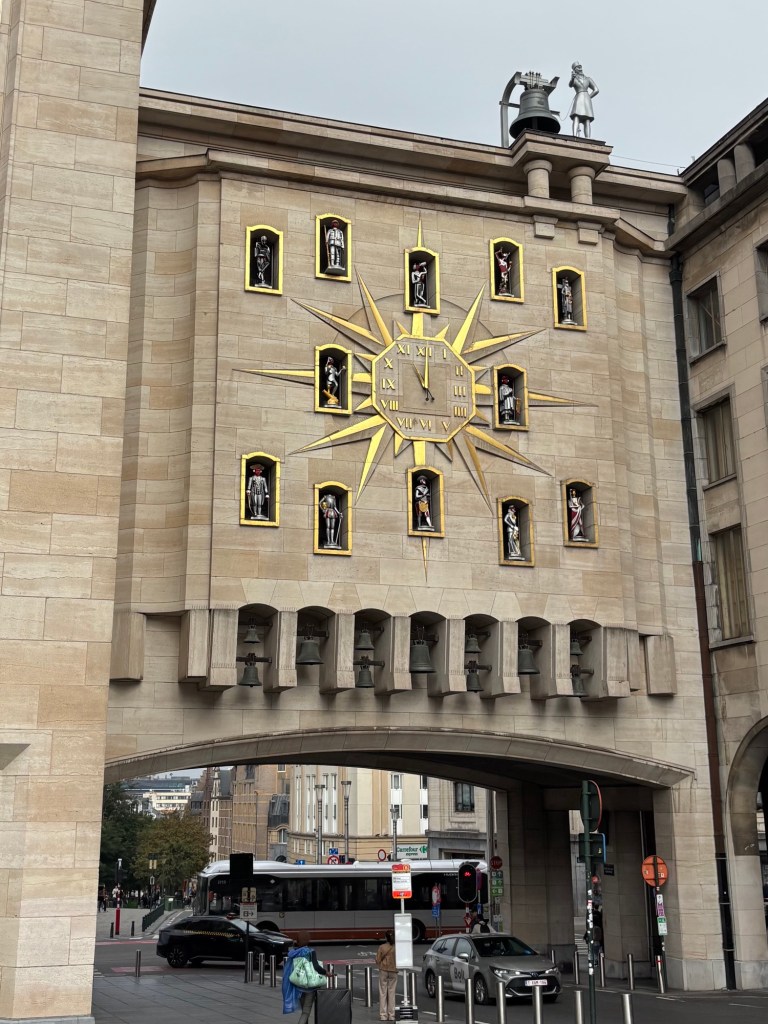
Carillon du Mont des Arts
If you are here on the hour, you can enjoy the quirky clock chiming. The Carillon du Mont des Arts adorns the Palais de la Dynastie. The clock is shaped like a 12-pointed star. It features 12 niches that house figures linked to the city’s history and folklore. After the bells sound (alternating between a Flemish and a Walloon folk tune), one of these figures exits its hole to determine the hour.
Manneken Pis
The Manneken Pis is a fountain with a famous statue of a little boy taking a pee. One of the best known symbols of Brussels, the statue dates back to the 17th Century. It has been vandalised and stolen throughout the years. Hence, the current statue is a replica – the original is in the City Museum. The naked boy is often dressed up in a range of costumes and even has his own costume display at the nearby GardeRobe Manneken Pis.
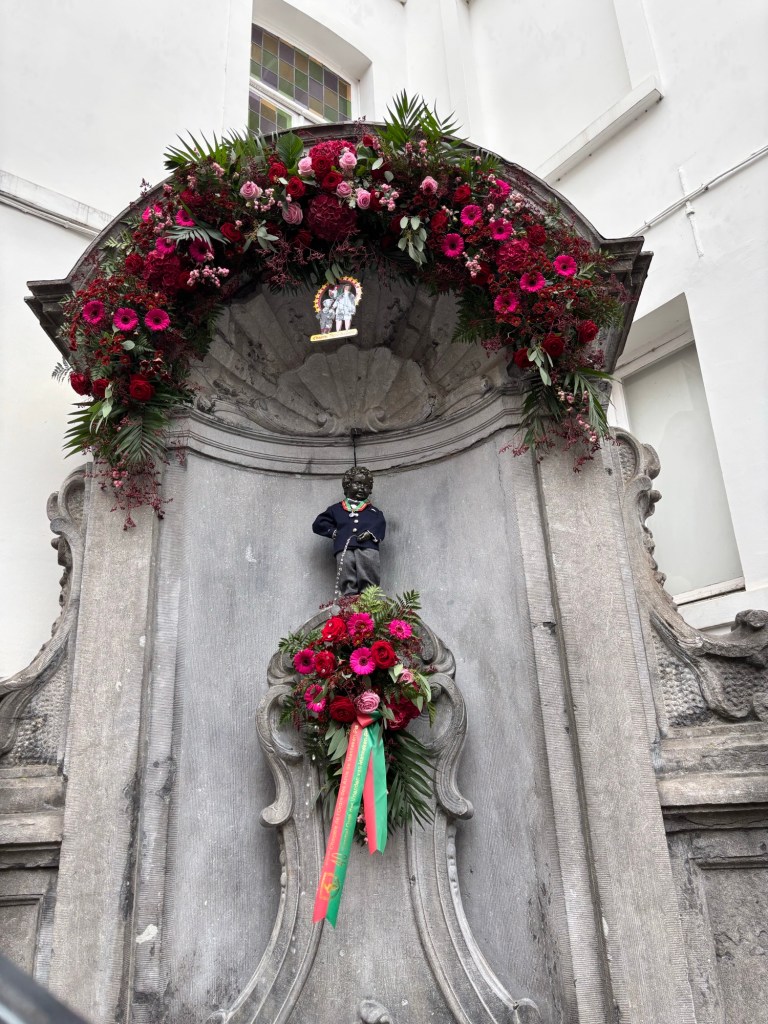
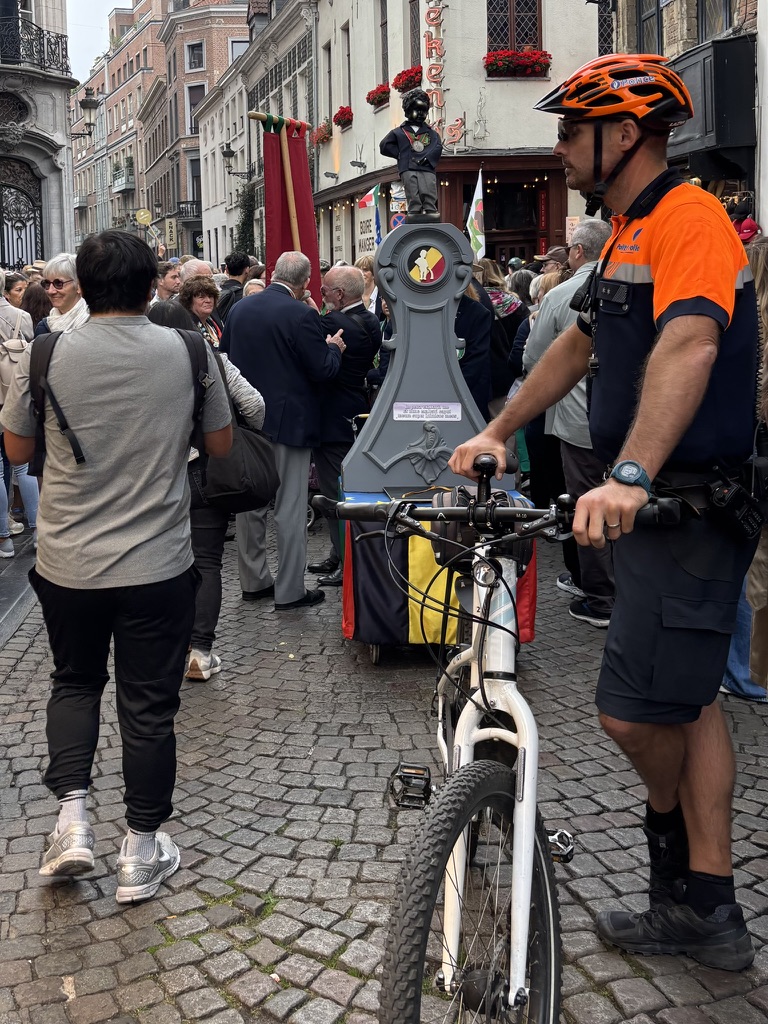
Our visit coincided with a celebration of The Order of the Friends of Manneken Pis, complete with elaborate costumes, a brass band and a mobile Manneken Pis with his own police escort.
Grand Place
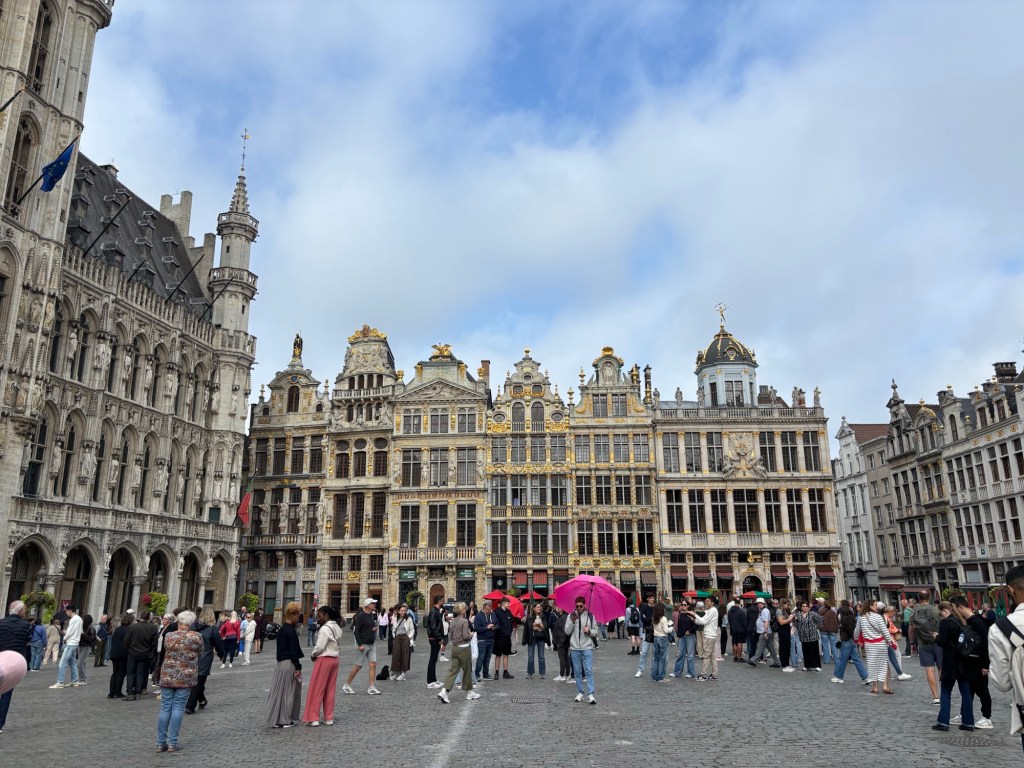
The focal point of the old town is the Grand Place. Surrounding this grand Medieval square are guild houses, the City Hall and the Maison du Roi, which is home to the Brussels City Museum.
Galeries Royales Saint-Hubert
The Galeries Royales Saint-Hubert is a famous indoor shopping mall – one of the oldest covered galleries in Europe.
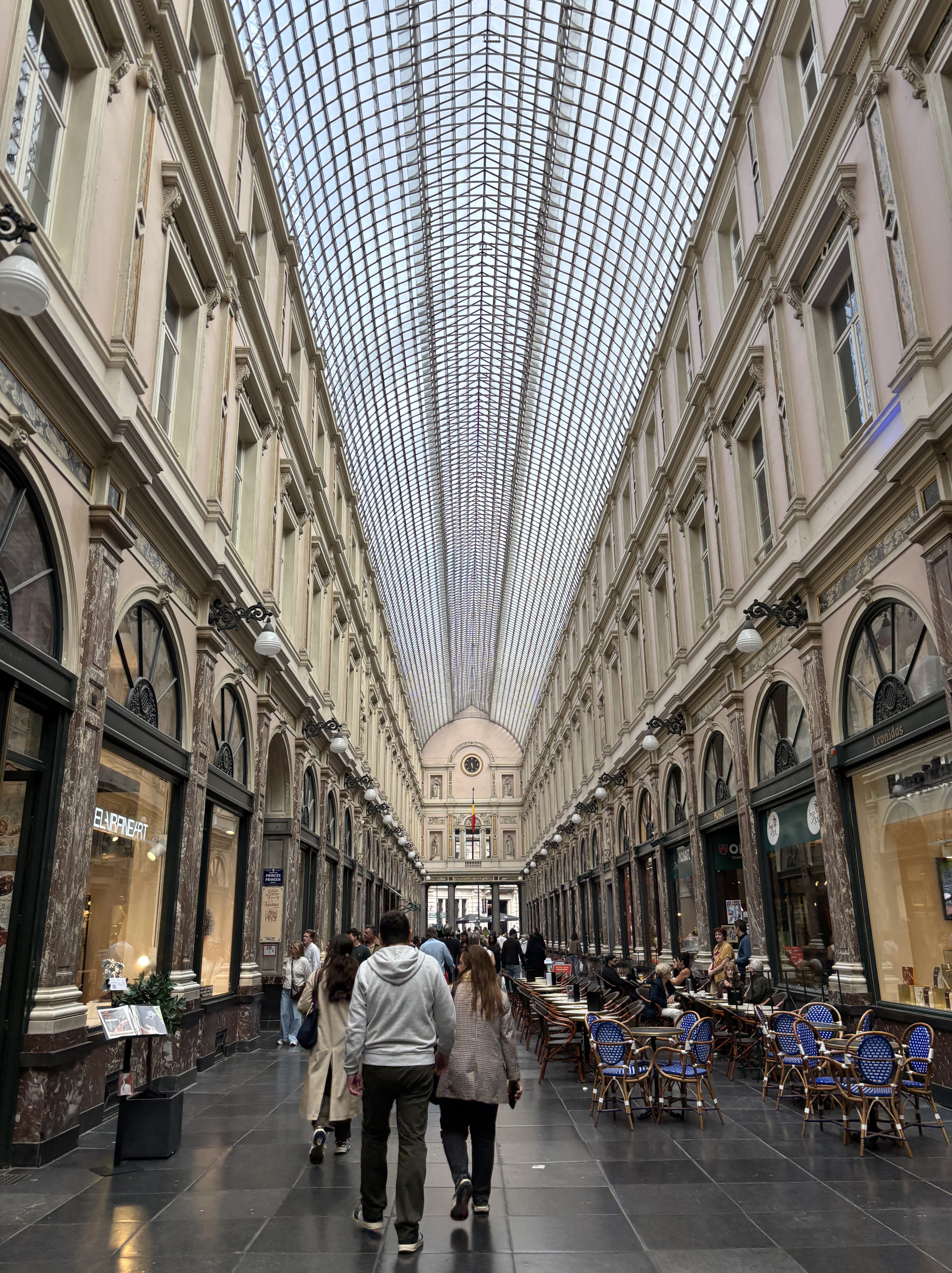
It contains a range of over 70 shops and restaurants, plus a theatre, cinema and apartments. If you’re in to chocolate shops, then there are several here, including Neuhaus, the birthplace of praline. I have a nut allergy, so we passed swiftly through!
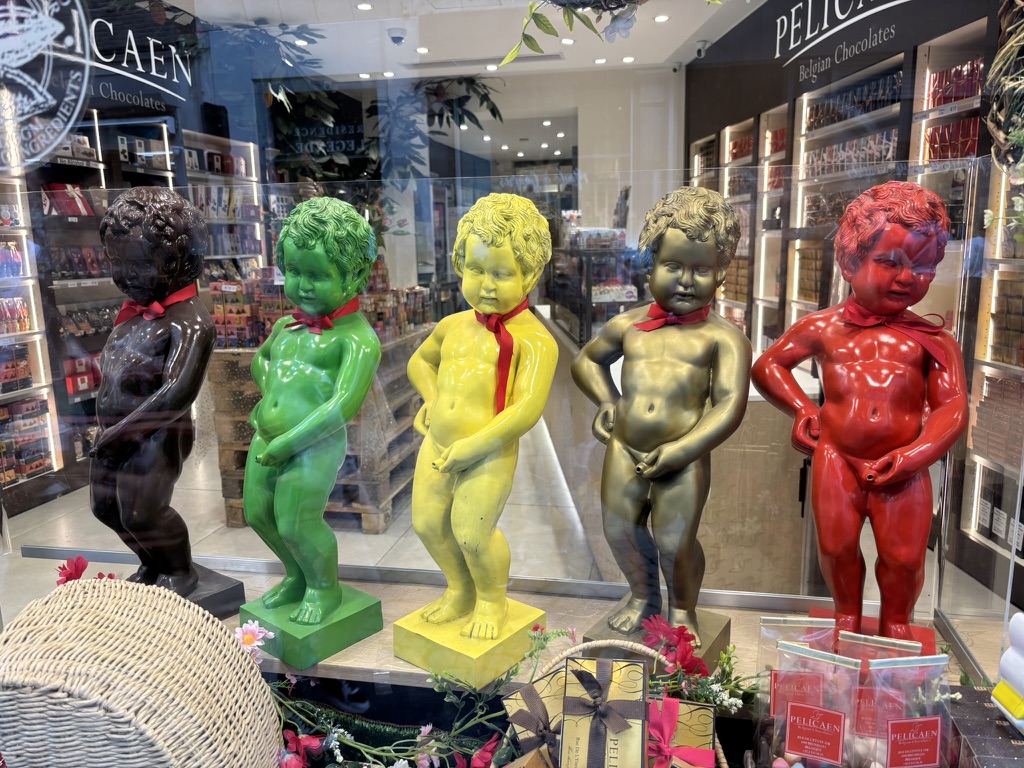
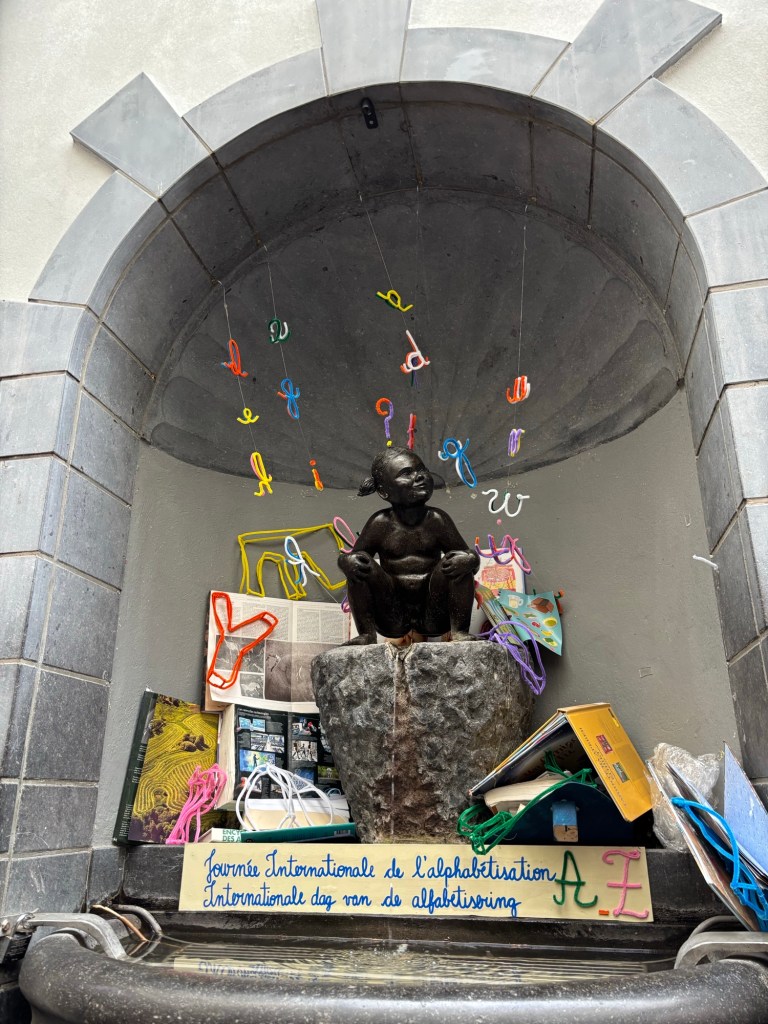
Jeanneke Pis
Not content with one pissing statue, Brussels actually boasts three. Tucked in a recess at the end of an alleyway, you can find the Manneken’s female counterpart, Jeanneke Pis. This far more modern and less celubrious statue depicts a little girl squatting.
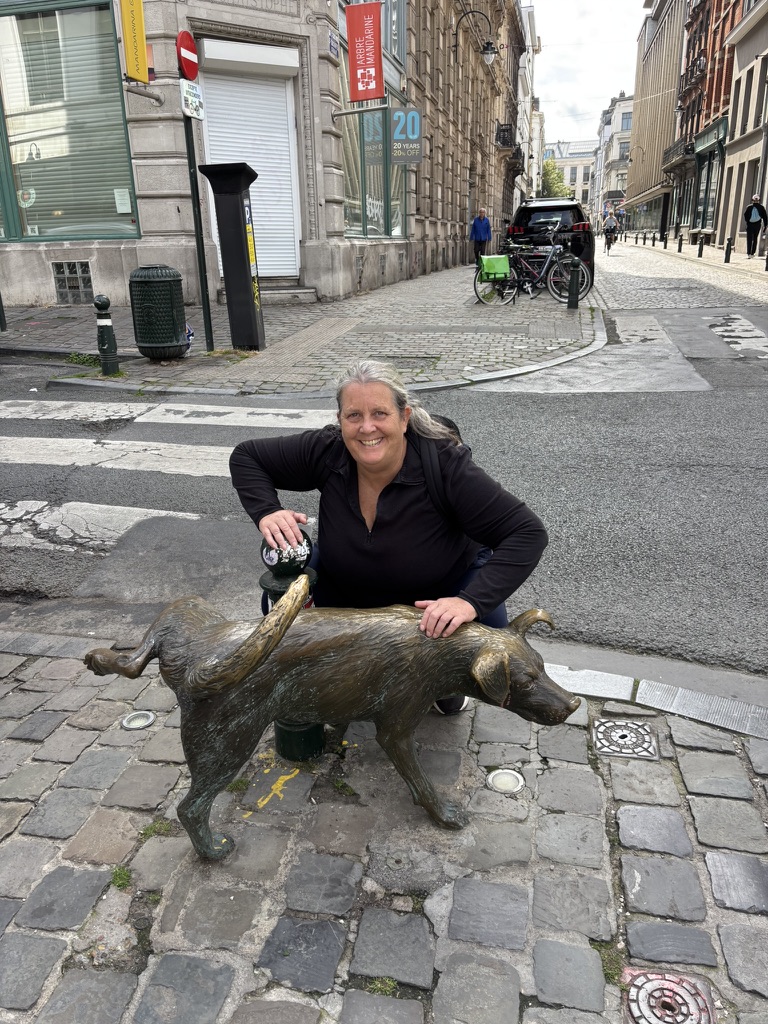
Zinneke Pis
If you want the full pissing set, there’s also the Zinneke Pis; a dog cocking its leg next to a bollard.
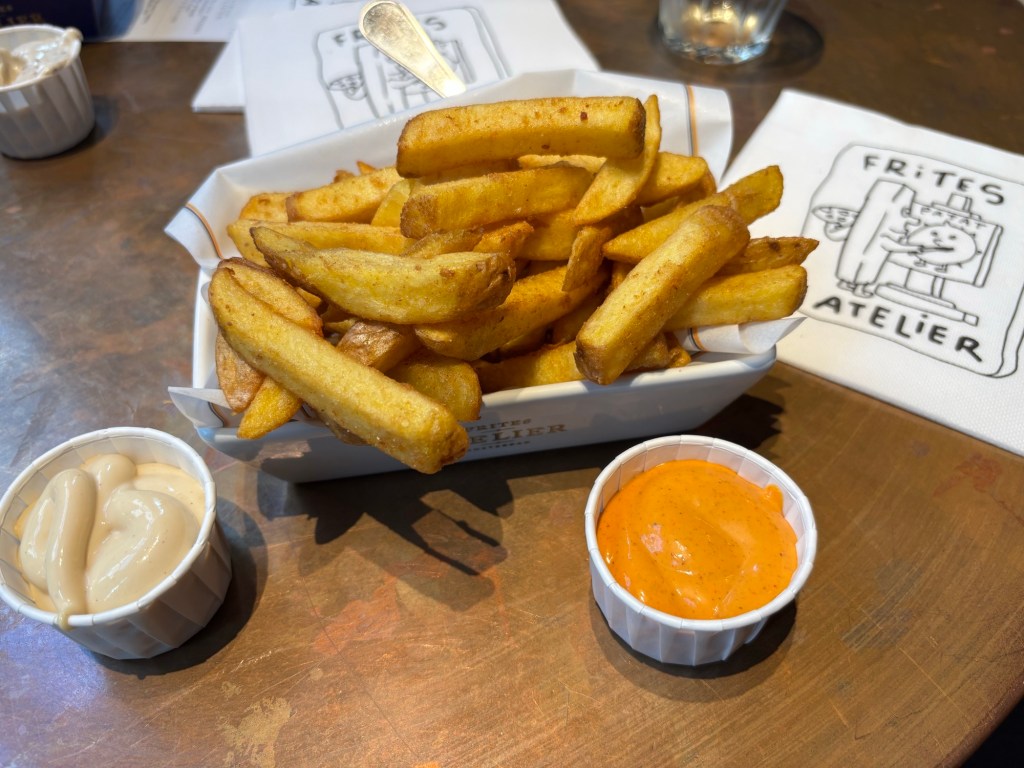
Lunch at Frites Atelier
No trip to Brussels would be complete without dining on frites. There’s a multitude of options. We opted for Frites Atelier. They offer frites with a selection of dips. Or if you want something even more substantial, you can choose loaded fries with toppings such as beef stew or veggie tikka masala.
Belgian Beer World
Nearby is the historic Stock Exchange building, the Palais de la Bourse. This imposing building now houses Belgian Beer World. Here, you can learn all about the history of Belgian beer, ending your visit with a drink on the roof terrace.
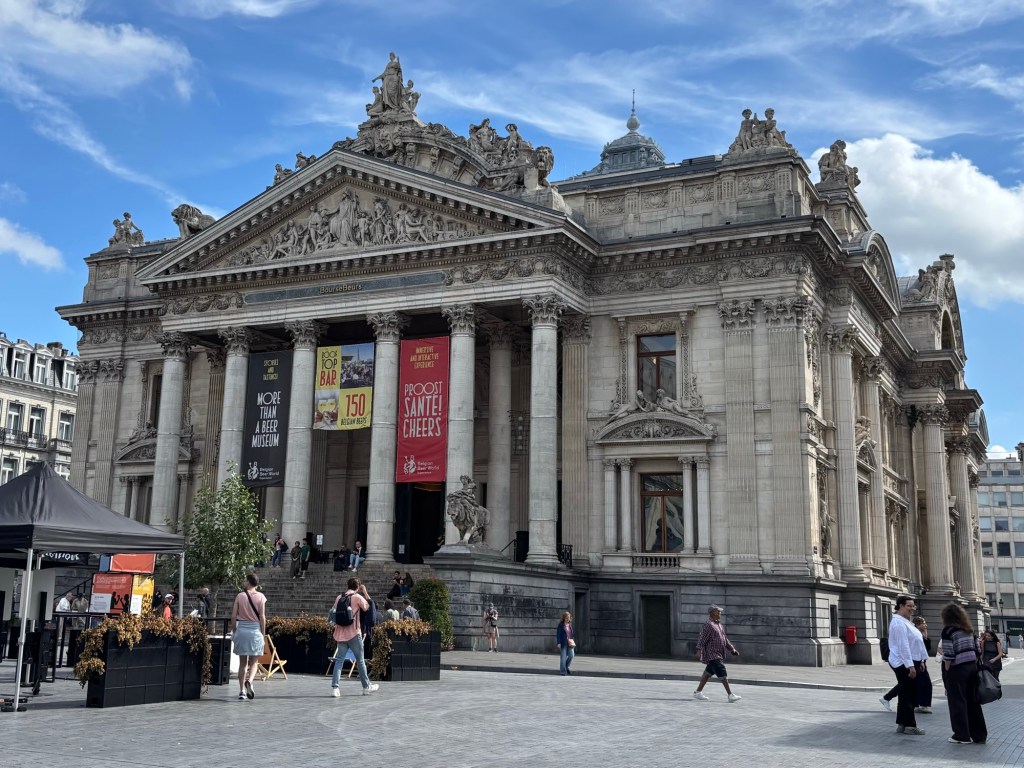
Belgian Beer World is open daily from 10.30 am until 7.30 pm. Entry costs €21.50 including a beer.
Atomium
We opted to give this rather grand pub a miss and head instead for one of Brussels’ most well known landmarks. Four miles north of the city centre is the iconic Atomium. From the centre, you can reach the Atomium by metro or tram. We picked up the tram from Bourse (confusingly, this also runs underground through this part of the city).
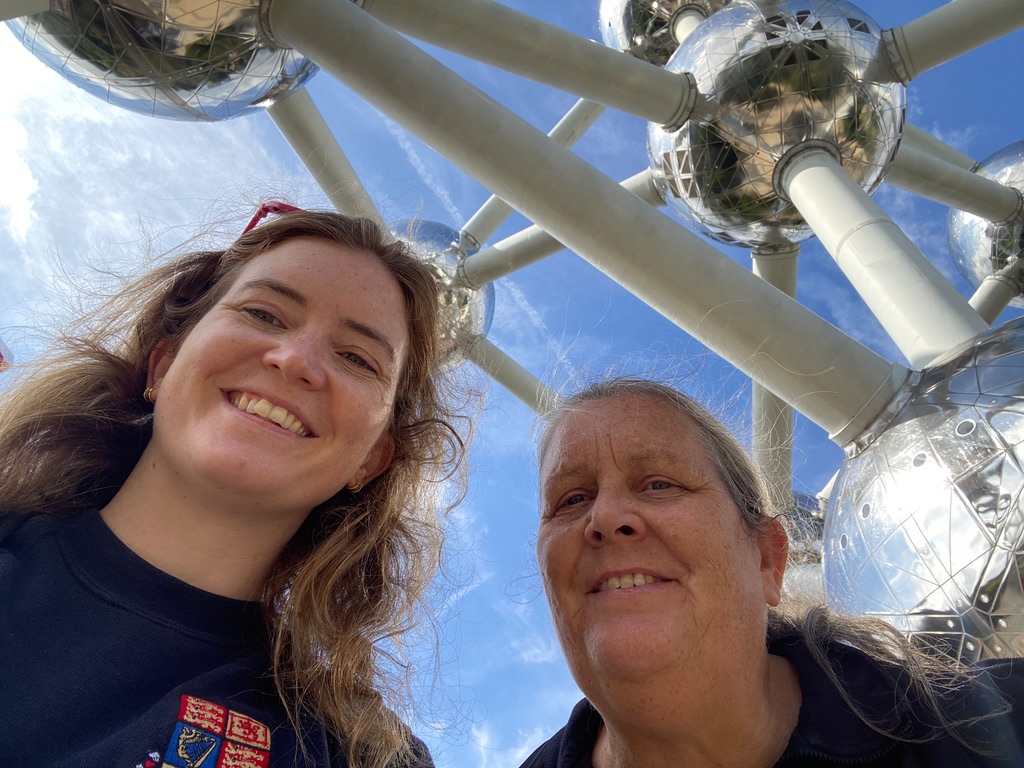
The 102 metre high Atomium structure looks like something out of an episode of Dr Who. It consists of 9 huge metal balls, linked by steel tubes, which represent an atom of iron magnified 165 billion times. It was built for the 1958 World’s Fair, as a symbol of post war progress. You can visit the lower balls, which are linked via escalators and lifts complete with plenty of flashing neon lights.
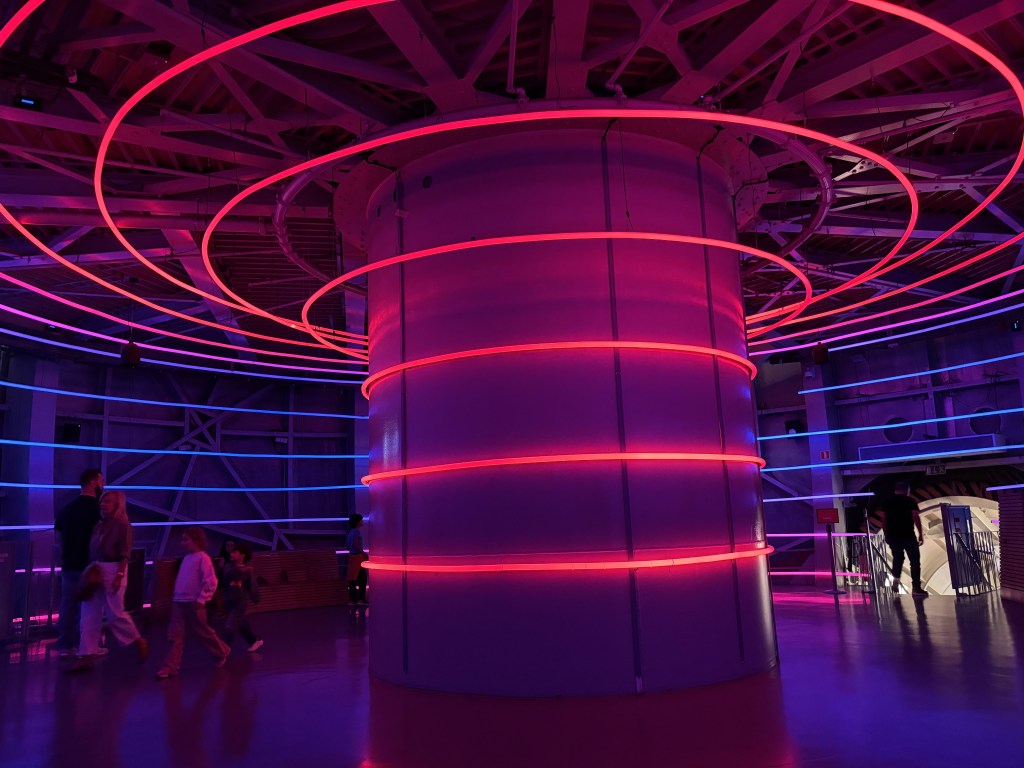
A separate, equally neon bedecked, lift takes you to the top ball for a view of the city and beyond.
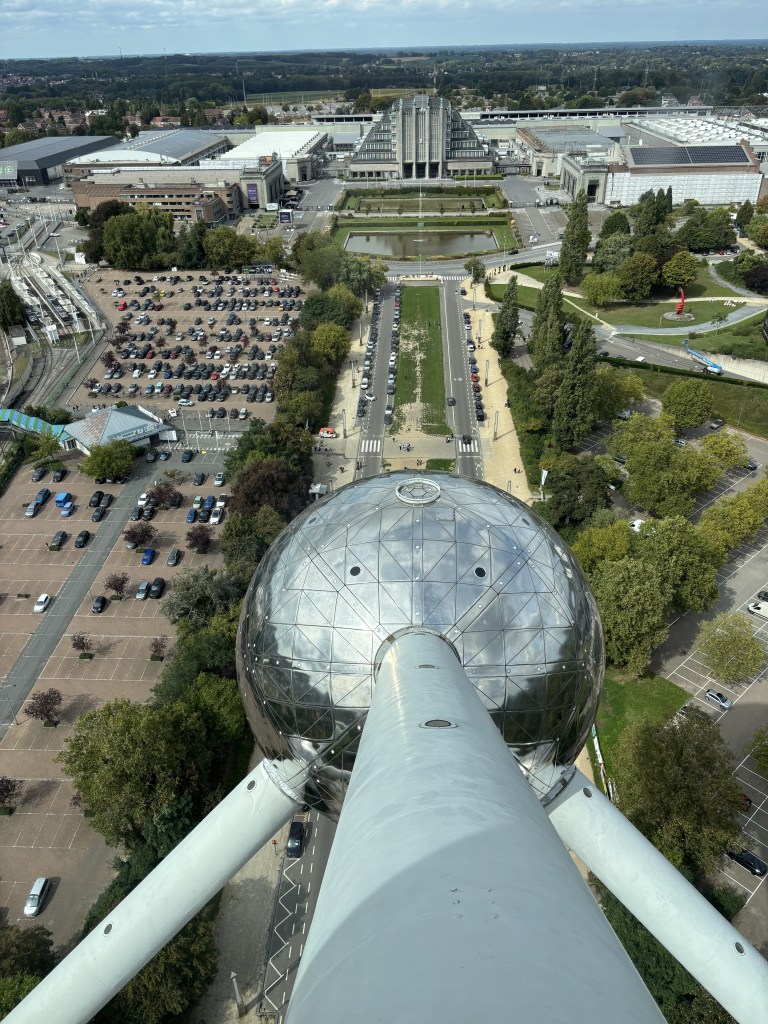
The Atomium is open daily from 10 am until 6 pm. Adult entry costs €17.
Once we had finished exploring Brussels, we took the train to Ghent. This takes around 28 minutes and costs €11.40 (€8 at weekends). Note: There are fast and slow trains. It’s worth checking that the first train to leave is actually the next to arrive.
Belgium Day 2 – Ghent
We started our visit to Ghent with a circuit of the old town. My itinerary covers a loop of roughly a mile.
Castle of the Counts (Gravensteen)
The Castle of the Counts, or Gravensteen, is an imposing 12th Century Castle surrounded by a moat. It looks like it’s jumped straight out of the pages of a fairytale. The castle was the residence of the Counts of Flanders for almost 200 years. It has subsequently been repurposed many times, including as a court, a prison, a mint and a cotton mill. We made do with admiring the castle’s exterior. If you wish to explore further, the gatehouse, ramparts, keep, count’s residence and stables are open to visitors.
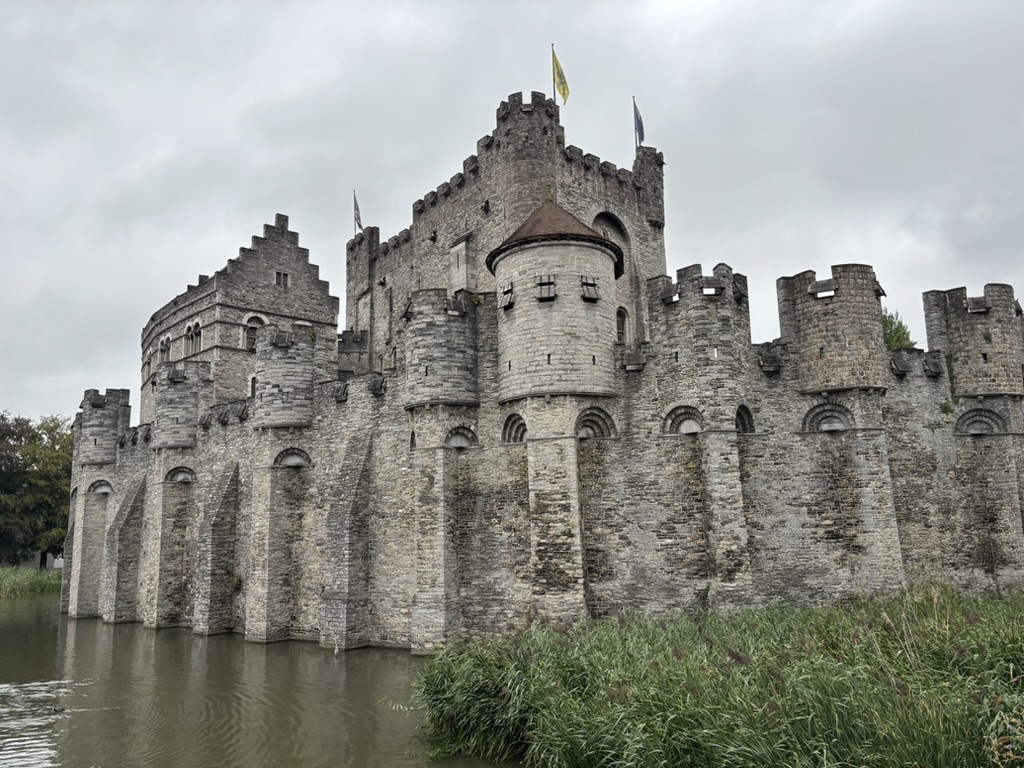
The castle is open daily from 10 am until 6 pm. Adult entry costs €15.
Korenlei
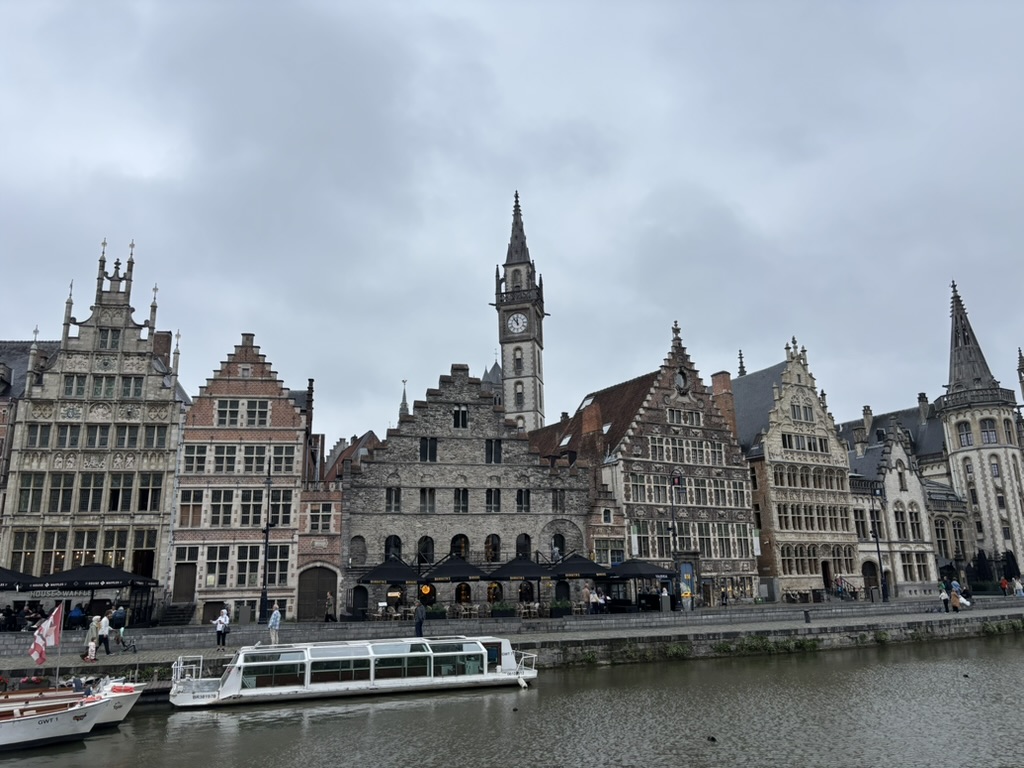
Historic Ghent is built on the banks of the Leie River. Korenlei is a path which runs along the west bank. The quaint cobbled path passes by a range of equally quaint old buildings. Many now house restaurants, souvenir and chocolate shops catering to Ghent’s tourists.
Graslei
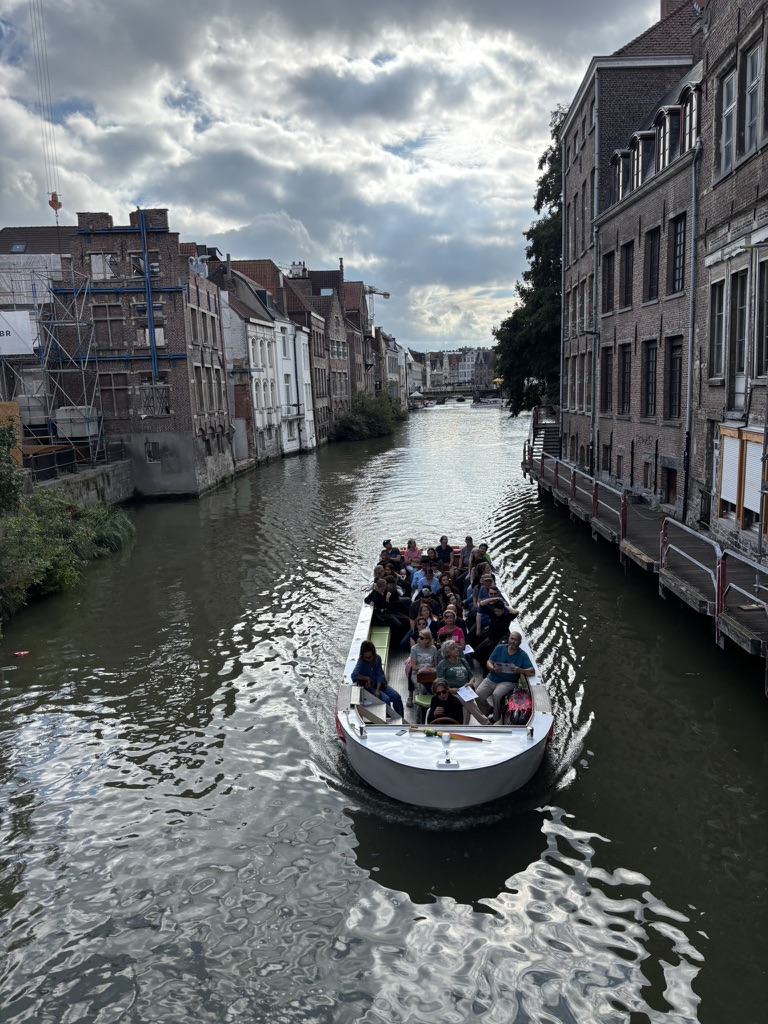
The corresponding path along the east bank of the canal is Graslei. This too is lined with interesting architecture. A popular way to admire the riverside buildings is to take one of the many boat trips sailing up and down the river.
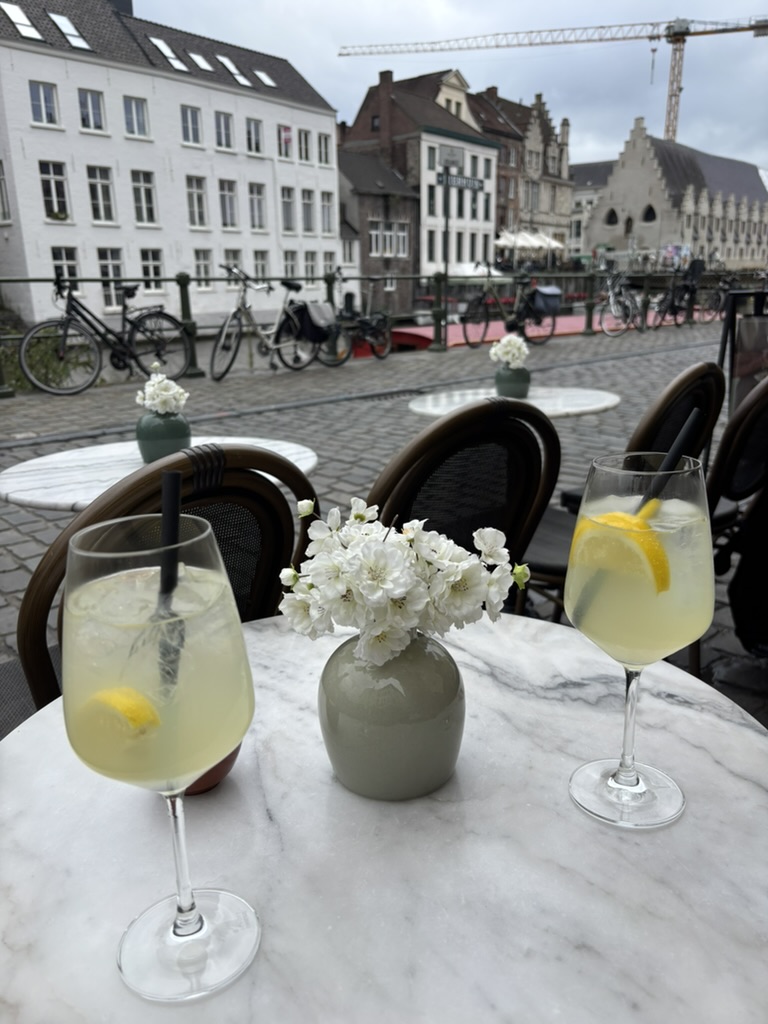
Or just find a nice riverside restaurant – we opted for Panotto – buy some drinks and sit and watch the world walk/cycle/sail by…
Great Butchers Hall
The Great Butchers’ Hall is a former meat market which is currently closed for renovations. It might just be me, but I thought its facade looks like a skull staring at you (they do an excellent Limoncello Spritz at Panotto).
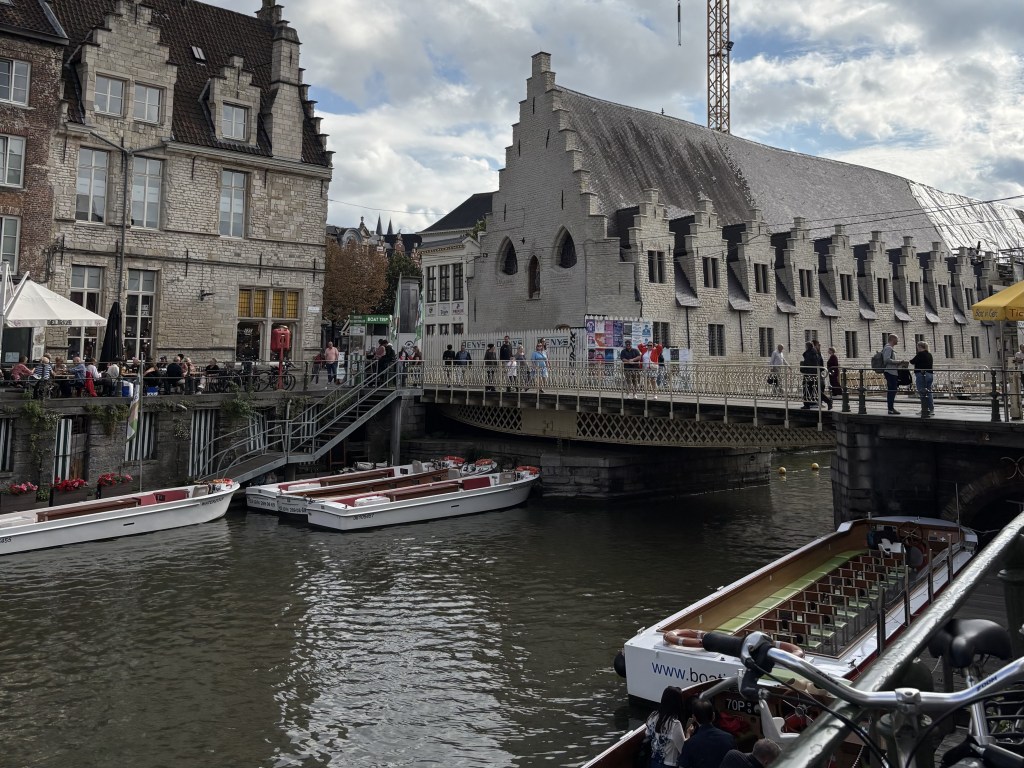
St Michael’s Bridge
The historic St Michael’s Bridge is an ideal stop for a photo op. From here, you can take a photo of Ghent’s three medieval towers all lined up. Note: Stand at the end of the bridge facing east. Not up/down the water, which is the mistake I first made – looking up and down the river saying ”I can’t see any towers!”
St Nicholas’ Church
St Nicholas’ Church is a 14th Century Church. It’s the first of Ghent’s three medieval towers.
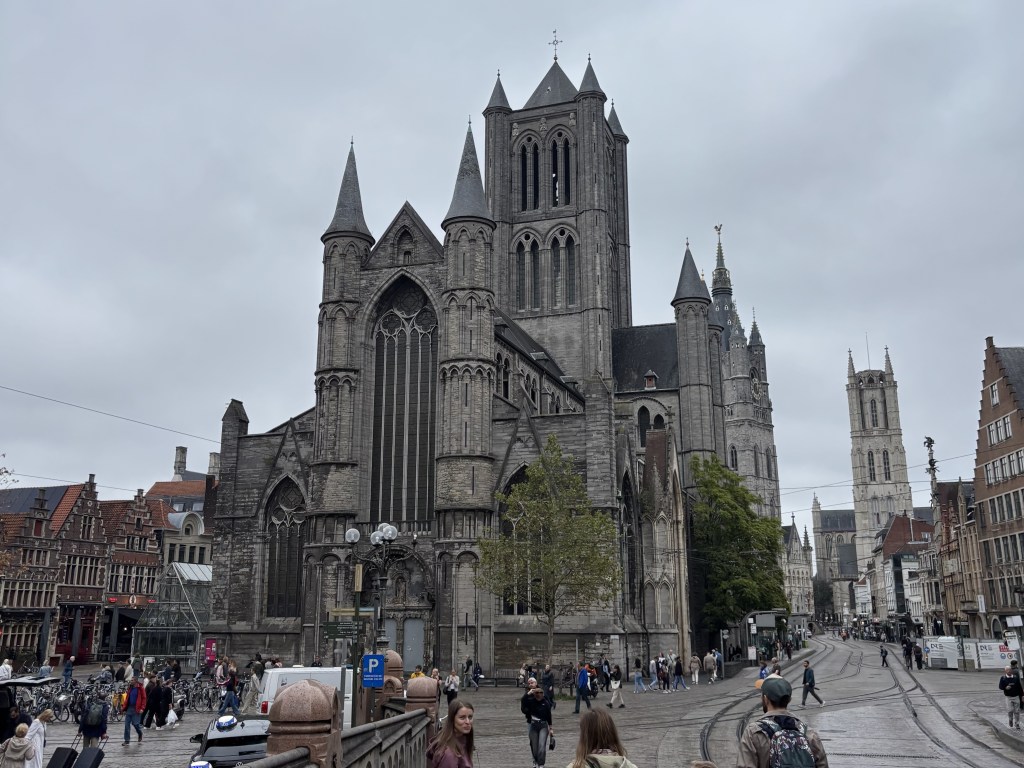
The church is open daily from 10 am until 4 pm. Entry is free.
Belfry of Ghent
The Belfry of Ghent is another of the city’s medieval towers. Since the Middle Ages, the tower has been the symbol of the city’s prosperity and independence. From the spire, a fire breathing dragon guards the city centre. You can climb (or take the elevator) to the top of the tower for views of the city and beyond.
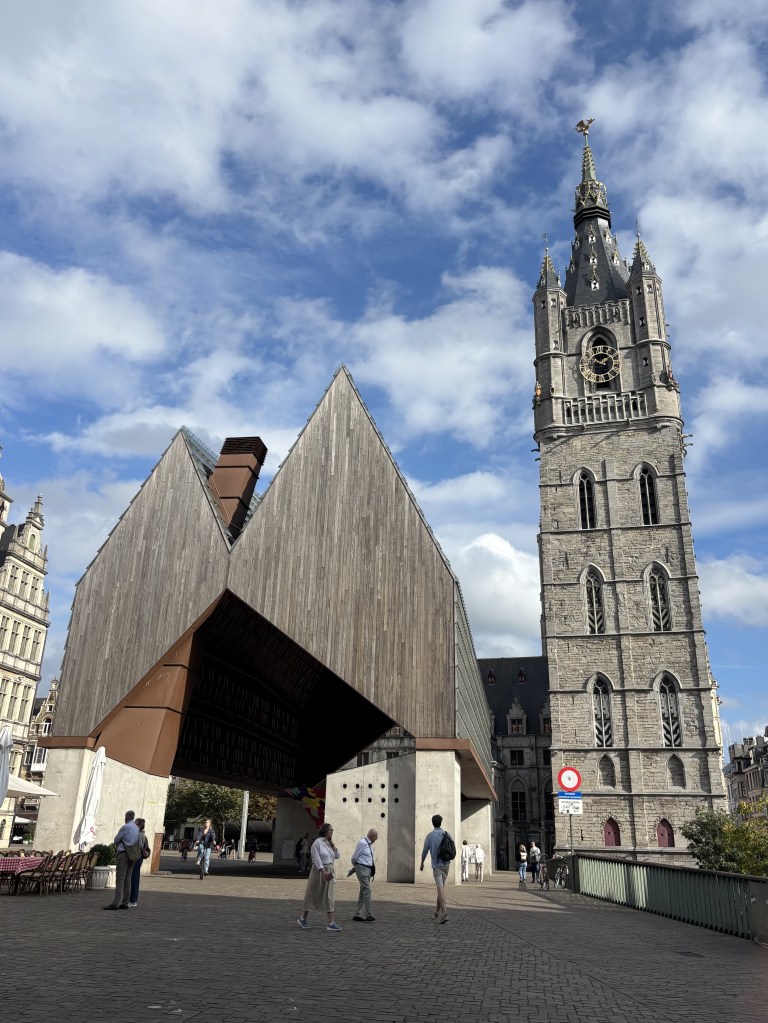
The Belfry is open daily from 10 am until 6 pm. Adult entry costs €13.
City Pavilion
Tacked incongruously onto the ancient tower is the City Pavilion, looking a bit like a giant garden shed just landed on the cobbled plaza Wizard of Oz style. This modern structure made from glass, wood and concrete hosts concerts, dance performances and markets.
Inside is a piano passers by are invited to play. On my visit, I was rewarded with something akin to a piano war. One man was knocking out Elton John bangers. Then another man turned up to perform some more classical numbers. Finally, someone went full-on concert pianist. I only sat down for a quick drink and ended up staying for ages.
St Bavo’s Cathedral
St Bavo’s Cathedral is the third of Ghent’s medieval towers. It is equally splendid inside and out. Enter to admire the grandeur of the architecture and the wonderful stained glass windows.
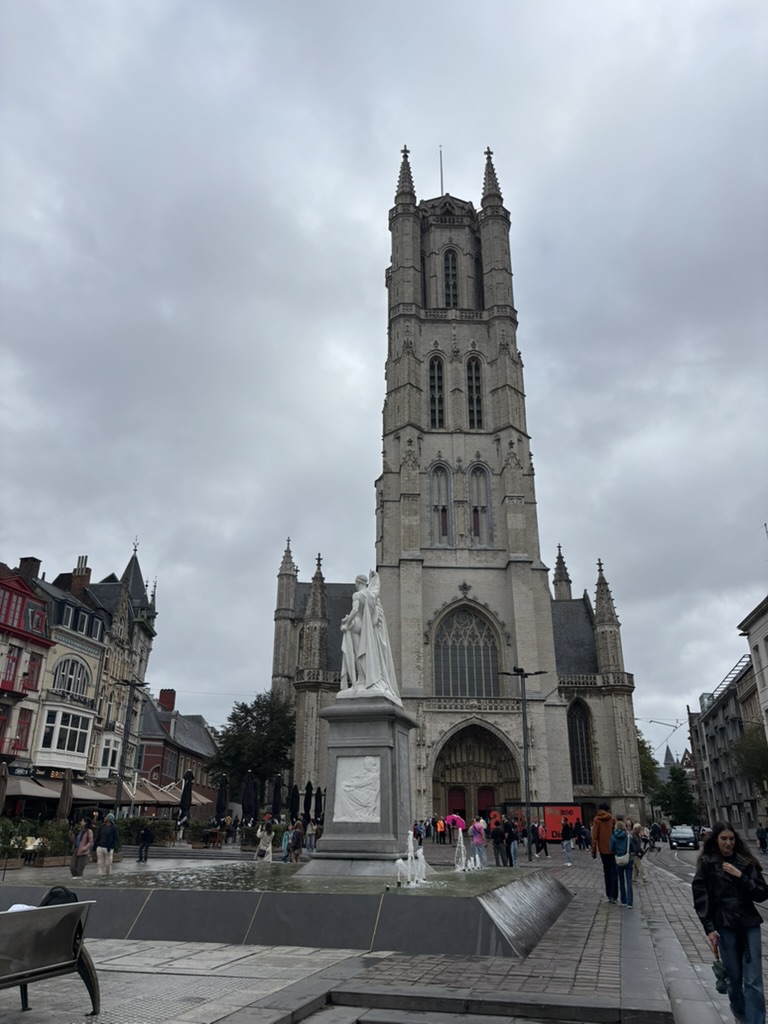
The cathedral is open daily from 8.30 am (1 pm on Sundays) until 5.30 pm. Entry to most of the cathedral is free.
The Ghent Altarpiece (the Adoration of the Mystic Lamb)
Also inside the cathedral, you can visit Ghent’s most famous painting. The Ghent Altarpiece (also known as the Adoration of the Mystic Lamb) was completed in 1432, making it one of the world’s oldest paintings. It also holds the dubious claim to fame of being the world’s most stolen painting.
Note: The altarpiece consists of several panels, some of which are currently undergoing restoration and therefore have been replaced by copies. I couldn’t bring by self to part with €16 to visit a photocopy. Next…
The altarpiece is open daily from 10 am until 5 pm. Adult entry costs €16 for the full AR tour or €12.50 just to visit the altarpiece. It’s popular, so book in advance to ensure entry.
Graffiti Street (Werregarenstraat)
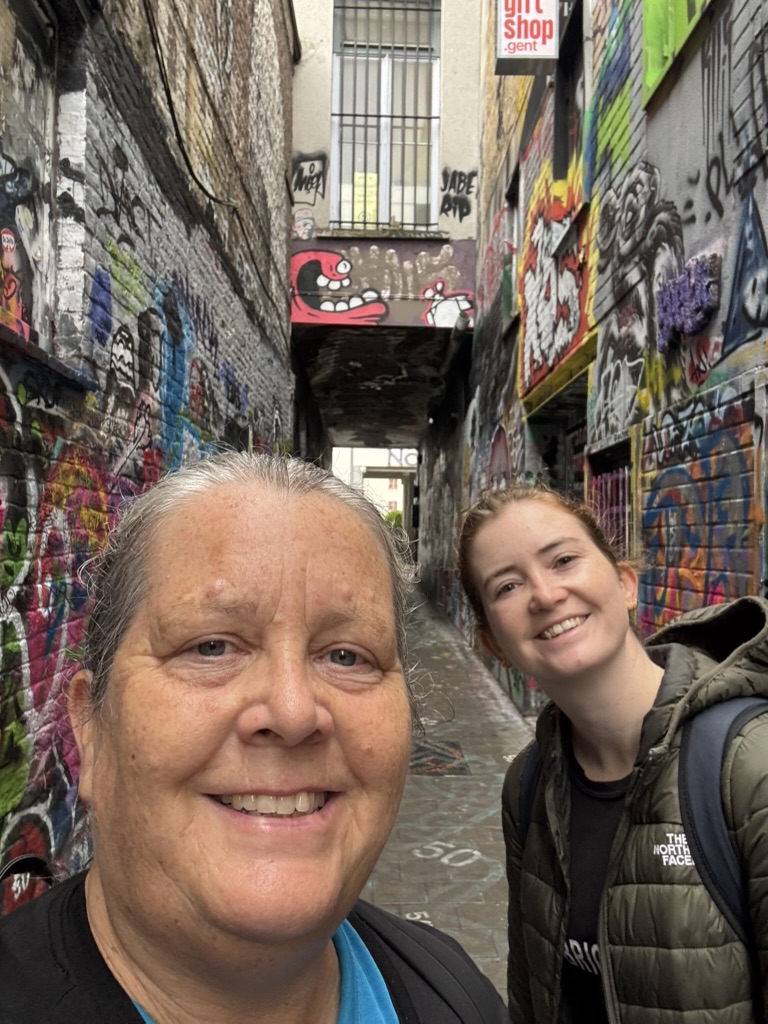
Werregarenstraat (aka Graffiti Street) is, as the name suggests, a street covered with graffiti. There are often artists at work here, so the graffiti on display changes very regularly.
Dinner at Tush
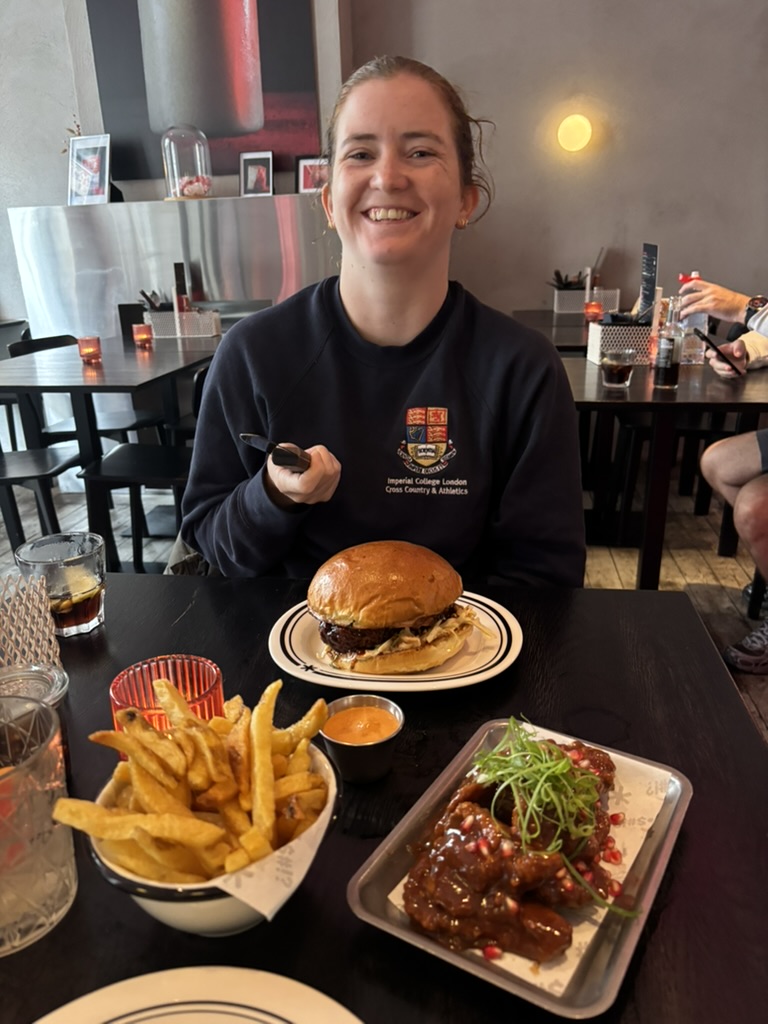
Opposite the entrance to Graffiti Street, you will find Tush. This great little restaurant with a butt themed decor specialises in burgers, which are really good. But they do absolutely delicious oyster mushrooms. Totally addictive!
Belgium Day 3 – Ghent
Dok Noord
In a series of repurposed 19th Century dock buildings just north of the city centre, you can find Dok Noord. As well as a range of shopping outlets, the complex has plenty of entertainment and dining options. It even has its own microbrewery.
Swimming in the Blaarmeersen
The Blaarmeersen is a lake just south of the city. It has a Sport & Recreation Park complete with a beach, swimming area and water slides. There is also a nice lakeside cafe. To reach the lake, take bus No 11 from Ghent. The nearest stop is Blaarmeersen (Rugbylaan).
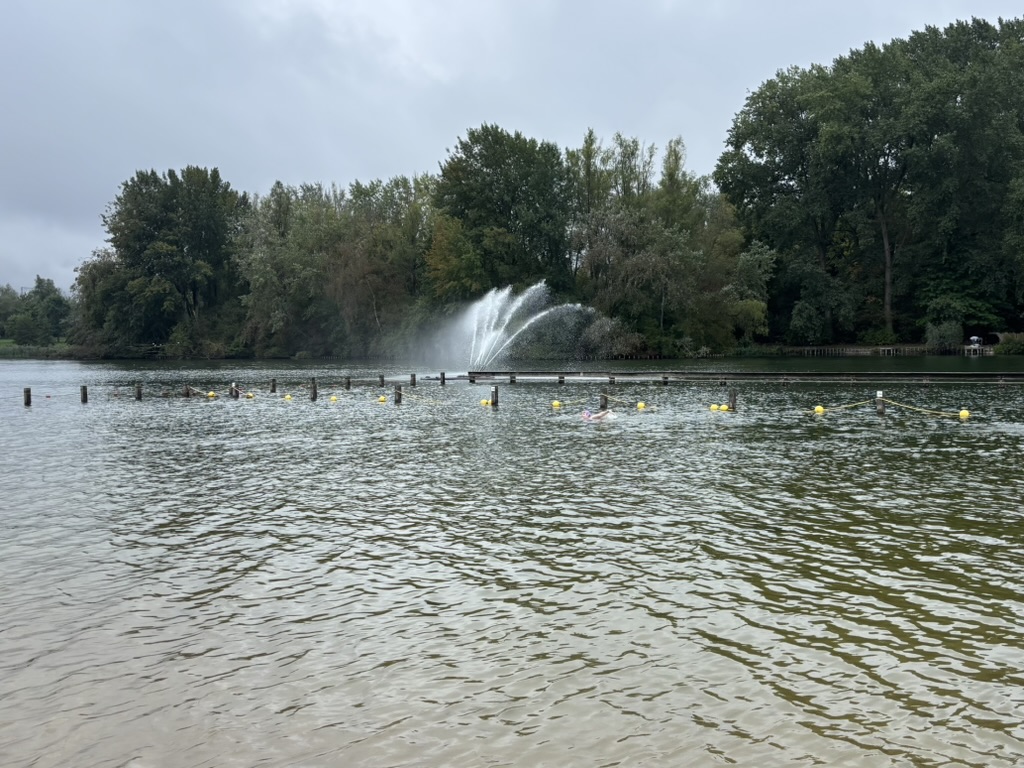
The lake is open between May and September. Exact opening times depend on the season and the weather. Check the website for more details. Entry costs €1 in advance or €5 on the day.
Dinner at Veggi & Grill
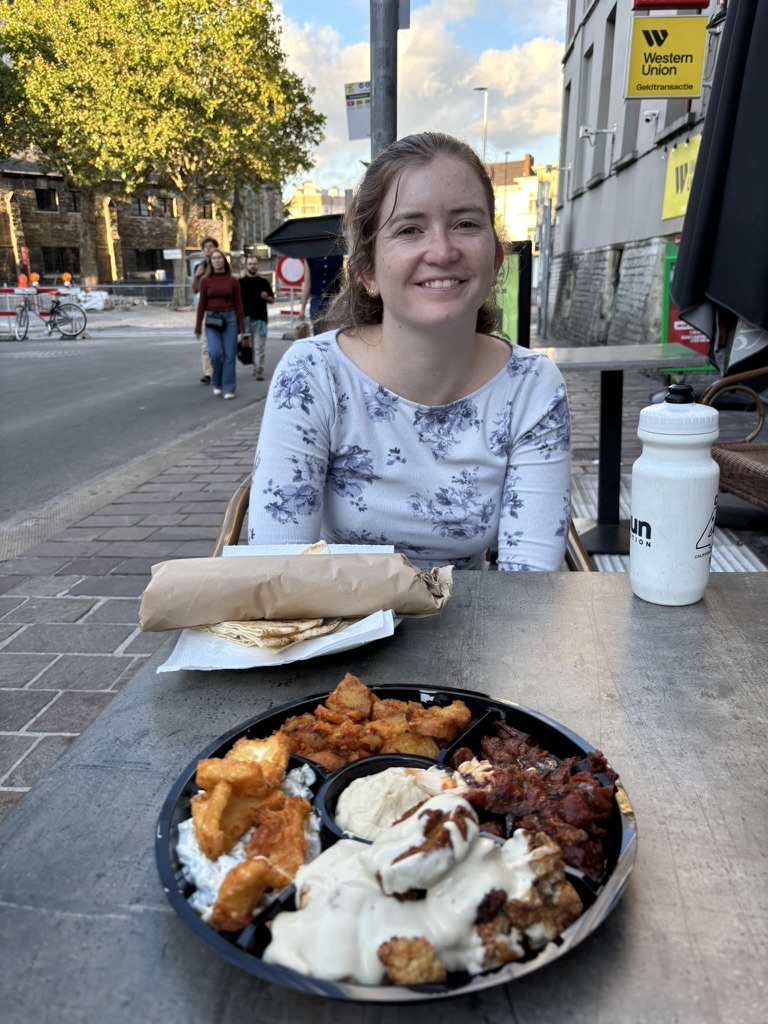
Back in the city centre for the evening, Veggi & Grill is a good place for a quick and easy dinner. They offer Syrian cuisine including very popular wraps. I opted for the mezze, which was also good.
Drinks at Trollekelder
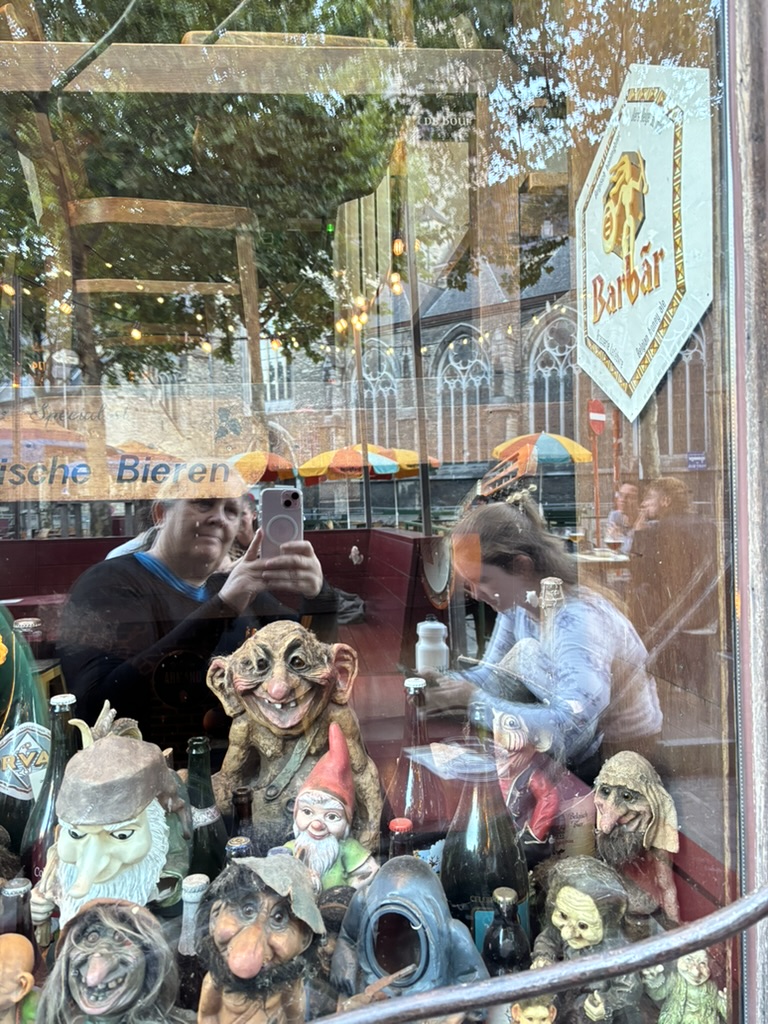
Just round the corner is the quirky Trollekelder. This troll infested bar offers a menu boasting over 300 beers (mostly bottled, but there are a few on draught). Note: There is no physical menu, you will need to pick your selection online via a QR code. I was running very short of battery, panicked and bought a glass of Stella Artois!
Belgium Day 4
It’s time to travel back home to London.
Lunch at the Crispy Crunch Diner
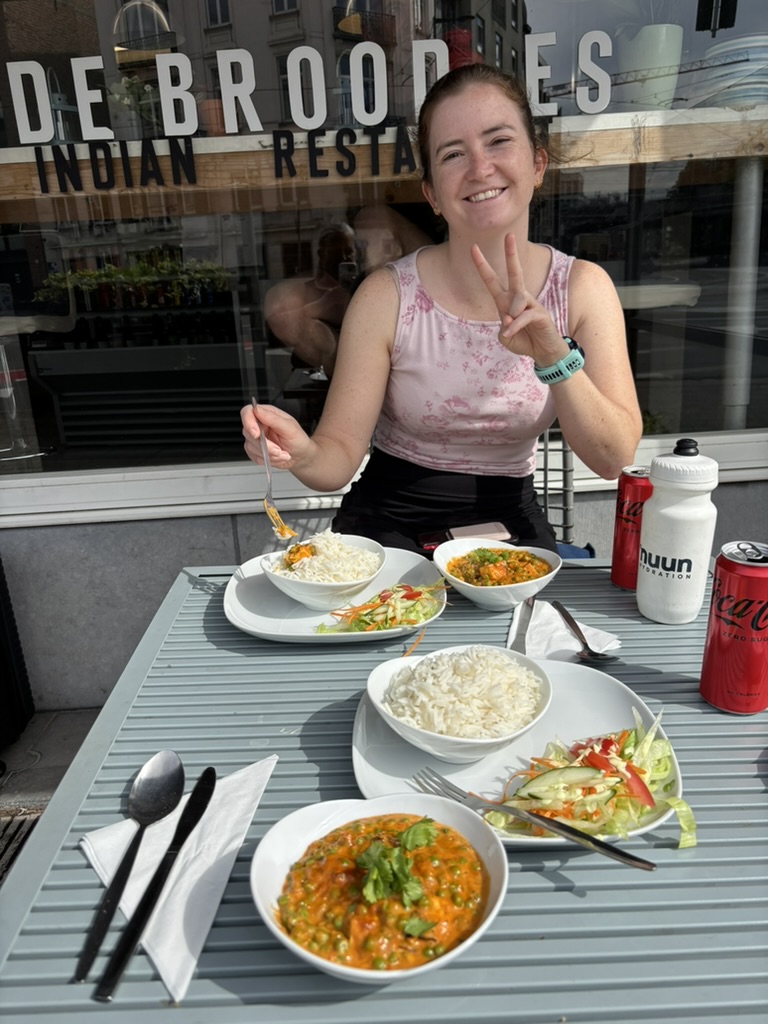
Before I set off, we have lunch at the Crispy Crunch Diner. This nice little cafe is just a few minutes walk from the station. They serve a combination of sandwiches, for those in a hurry and freshly cooked meals, if you have more time. We opted for the matar paneer, which comes with rice and a side salad and is delicious.
Travel to London
After the short train ride from Ghent to Brussels, I check in for my Eurostar train to London. This is delayed. Initially for an hour, with some extra time added later. We finally depart 86 minutes behind schedule. They appear to hold the next train, due to depart 68 minutes after us, for no other reason than to prevent a mutiny in the departure hall.
- Trip taken: September 2026
I hope you found the above information useful. For guides to more destinations in the 50+ countries we have visited, check out my full list of Independent Travel Itineraries here.


Leave a Reply